Equity's AI deal arrives with a 24% pay rise and two defeats
After nearly three years of talks, UK actors are voting on a Pact offer that bars blanket consent to digital replicas, raises big-film rates 24%, and quietly concedes two AI protections Equity wanted.
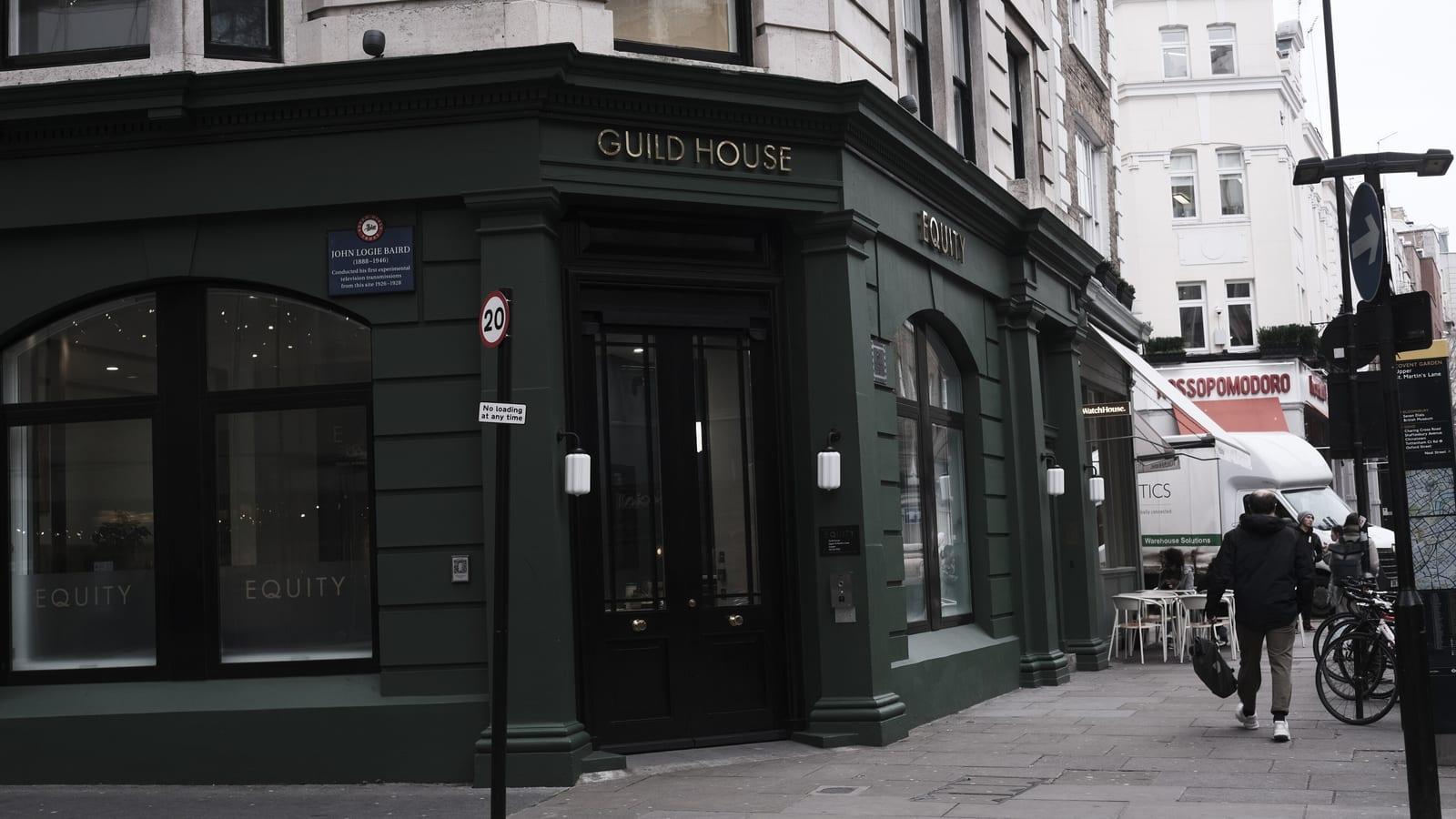
The first comprehensive AI agreement in British film and television arrived on Monday not with a strike, but with a pay table. Equity is taking Pact's final offer to the roughly 8,000 members who work under the agreements with a recommendation to vote yes, nearly three years after the two sides first sat down. If members agree, the deal covers the majority of British shows and films from 1 January 2027 to the end of 2029.
The money is tiered by budget, and the tiers say where the bargaining power sat. Films budgeted over £50m carry a 24% rise across the three years, 17% of it in year one. Films between £30m and £50m get 13%. Television gets 9%, at 3% a year. The streaming payments that kick in when a show reaches a second window rise by three percentage points, which Equity values at a real-terms increase of as much as 50%, though the window those payments cover shrinks from 15 years to 10. Deals with the American streamers themselves are explicitly left for the next negotiation.
What the AI chapter actually grants
The provisions that held the deal up, in general secretary Paul W Fleming's account, were the AI ones. "We've achieved the best AI provisions in the business," he said, calling the package "groundbreaking." The terms cover four areas: digital replicas, digital alterations of a performance, fully synthetic performers, and licensing for AI training.
The mechanics matter more than the labels. A producer cannot obtain blanket consent to use an actor's digital replica; consent attaches to a specific project, with a right to information about the specific use before agreeing, and a right to be paid when the replica is used. Any replica or alteration that substantively changes a scene agreed under a nudity rider needs fresh approval. Alongside the AI chapter sit a 72-hour script notice period for self-tapes and, for the first time, harassment and sustainability provisions.
Equity is also open about what it did not get. There are no contractual rights to have a digital replica deleted, and no protections covering the routine digital scanning used for CGI and VFX work. The scanning one stings more. Members voted 99% in an indicative ballot to refuse on-set scanning in late 2025. That ballot was the pressure that produced an improved offer in January, and the final text shows both what the pressure bought and where it ran out.
A deal shaped by not striking
The comparison everyone will reach for is SAG-AFTRA, which got its AI terms in 2023 by shutting Hollywood down for four months. Equity discussed strike action and never took it, and the structure of British television made the threat a blunter tool: no single cliff edge, no seasonal production calendar to hold hostage. What came out instead is a document that trades two of the union's demands away in exchange for consent machinery and the biggest headline pay rise in the agreement's history.
Whether 8,000 actors read that as victory or as the best available draw is what the vote will say. No closing date for the ballot has been announced.
Reporting this piece draws on
- Deadline (via Yahoo) Deal (Nearly) Done? UK Actors Union Equity Urges Members To Vote Yes On Final Offer From Pact
- IBC UK actors vote to refuse being digitally scanned on set
- BroadwayWorld Performers Offered Better AI Protections After Ballot
- LBC Fresh offer made in bid to resolve dispute over AI protections for performers
The writer
Priya Raman — Awards and festivals treated as a campaign beat: strategy, precursor maths, voting bodies and money, from first screening to final ballot.
More from News

Italy rebuilt its film bureaucracy first. The rates come later
Italy's Senate passed a media governance reform without opposition: a National Centre for Cinema overseeing Cinecitta and a new agency taking over from the film directorate, both from 2028. The tax credit changes themselves are left to future decrees, with production spend at a seven-year low.
Gunn and Safran step away as one memo reorders two studios
Skydance's co-chairs named presidents for Paramount and Warner Bros Pictures in one memo: Don Granger and Kira Goldberg at Paramount, Jesse Ehrman at Warner Bros, Jeremy Latcham at DC as James Gunn and Peter Safran step away, and a shared marketing and distribution operation under Josh Goldstine.

Bezos says Bond wasn't settled until three days before the reveal
Jeff Bezos told a Semafor conference that the choice of Robert Pattinson as James Bond was made on Friday 13 November, three days before Monday's announcement, after five finalists each performed three scenes in full costume on real sets.