Paramount's Warner bid has a deadline nobody is discussing
The $31-a-share offer has been reported everywhere. The clock attached to it, which starts running on 30 September, has not.
Paramount Skydance's revised offer for Warner Bros. Discovery is $31 a share. That number has been reported everywhere. The mechanism attached to it has not.
Inside the revised proposal filed on 24 February sits a ticking fee: $0.25 per Warner Bros. share, per quarter, payable to Warner shareholders if the transaction has not closed. It begins accruing after 30 September. That is twenty days away.
What a ticking fee actually does
A ticking fee is a clock with a price on it. In a transaction this large it exists to stop a buyer treating regulatory review as an open-ended errand. Each quarter the deal stays unclosed, the effective price rises, and the pressure either to close or to walk away rises with it.
Paramount also lifted its regulatory termination fee to $7 billion, the sum it owes Warner if the deal dies on antitrust grounds. Read the two numbers together and they describe a buyer that has been asked to put real money behind its own confidence, and has agreed to.
The financing is committed rather than indicative, which is the distinction that matters when a deal has to survive a year of review. Paramount holds debt commitments of up to $57.5 billion, plus $46.6 billion in equity from entities controlled by Lawrence Ellison and David Ellison, alongside affiliates of RedBird Capital Partners.
A buyer who accepts a ticking fee is telling you when they expect to be finished. A buyer who accepts a $7 billion break fee is telling you what they think the odds are.
Netflix walked, and that is the more interesting story
Netflix reached a merger agreement with Warner Bros. Discovery in December 2025. Its offer was valued at $83 billion. When Paramount returned at $31 a share, the Warner board determined the new proposal was superior and gave Netflix four business days to match.
It declined.
A company with Netflix's balance sheet does not decline because the money is unavailable. It declines because it has concluded that the asset is not worth the number, or that the regulatory fight attached to it is not worth having. Either conclusion says more about how Netflix now values a legacy studio library than anything its executives have offered on an earnings call this year.
The date to watch
30 September is the trigger. Once the fee starts, the cost of delay stops being an abstraction and becomes a quarterly line item that somebody has to explain. In deals of this size, that is usually the moment the pace of a regulatory process quietly changes.
Reporting this piece draws on
- Variety Paramount Skydance Vows to 'Engage Constructively' With Warner Bros. Discovery Board After Making $31 a Share Bid
- Variety Warner Bros. Discovery Declares New Paramount Bid a 'Superior Proposal'; Netflix Has Four Business Days to Match
- Variety Paramount Skydance Poised to Acquire Warner Bros. Discovery After Netflix Bows Out of Bidding War
- TheWrap Warner Bros. Discovery Board Determines Paramount Skydance's $31 Per Share Offer Is 'Superior Proposal' to Netflix Bid
The writer
Marcus Dey — Deals, development and the people who move between them, written for readers who want to know why a project exists at all.
More from News
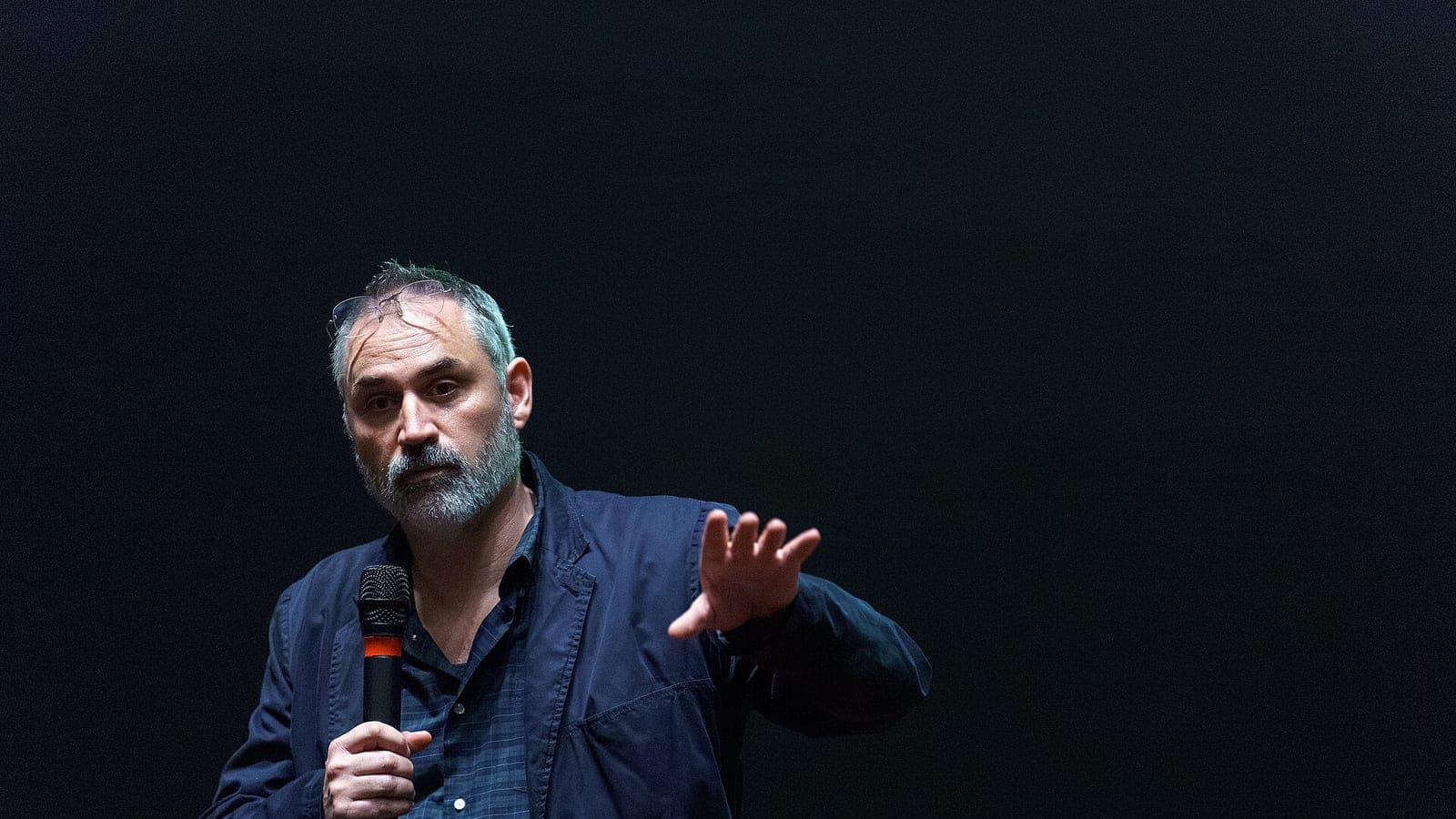
Zendaya's new Alex Garland film is his third since he quit directing
Alex Garland has announced his retirement from directing twice on the record, in 2022 and 2024. Since the second statement he has directed Warfare, taken on A24's most expensive film ever, and now signed Zendaya for an untitled sci-fi shooting in 2027.
Canal+ VAT rise would cost €200m a year. Its film deal is €196m
Canal+'s July accord commits €196m a year to French and European film from 2028. The draft 2027 budget's VAT rise costs it up to €200m a year, and triggers the clause that voids the whole deal.
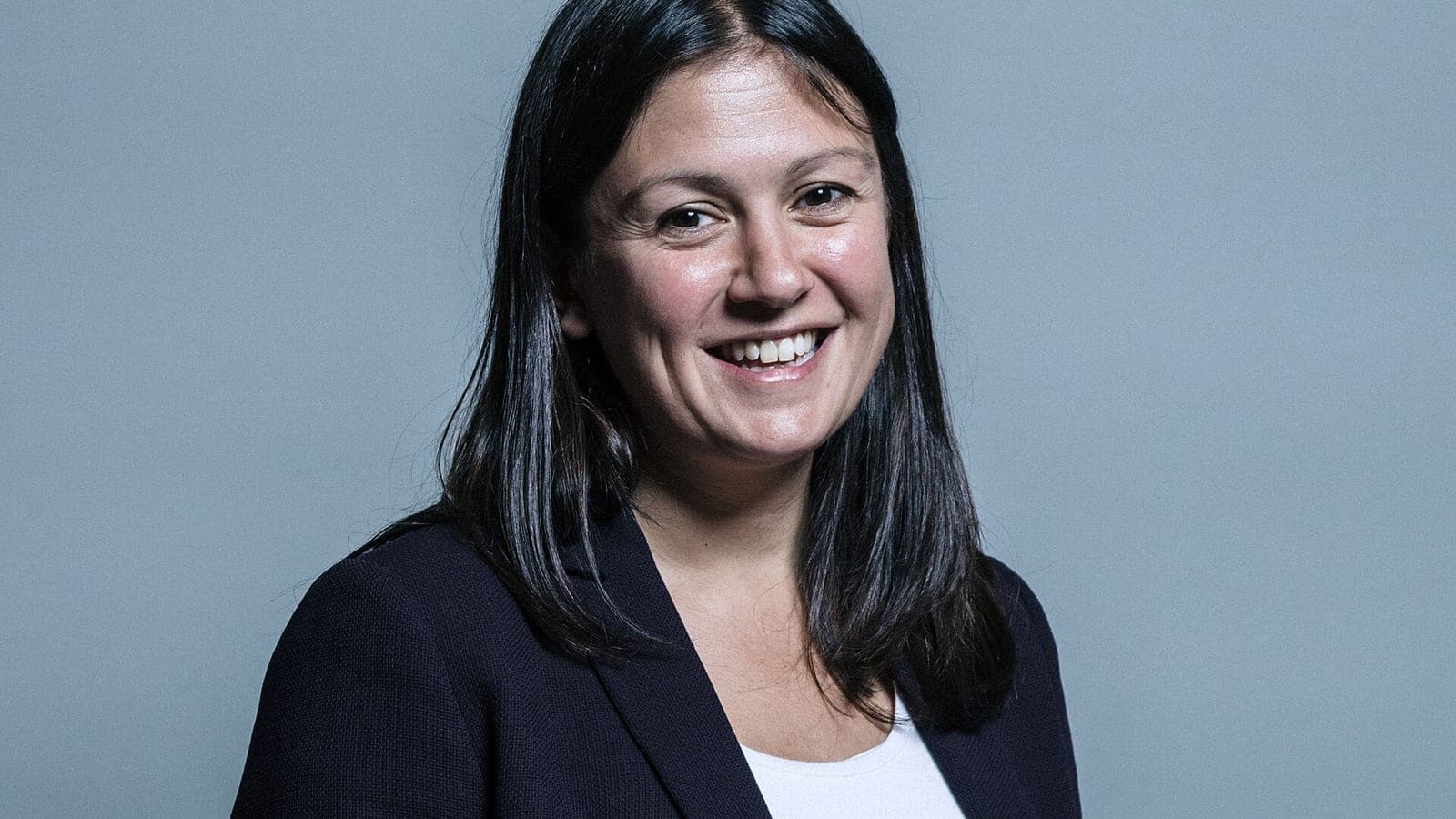
Sky's £1.6bn ITV takeover is Nandy's second media warning in 107 days
Lisa Nandy's 'minded to intervene' letter on Sky and ITV comes 107 days after the one she sent Paramount. Laid next to three earlier Sky cases, the dates show which kind of review this is likely to be.