Veruschka, the Blow-Up model who walked away from Vogue, dies at 87
Born a countess in East Prussia, she became one of the first supermodels, played herself in Antonioni's Blow-Up and turned up at the poker table in Casino Royale. She died at her home in Berlin.
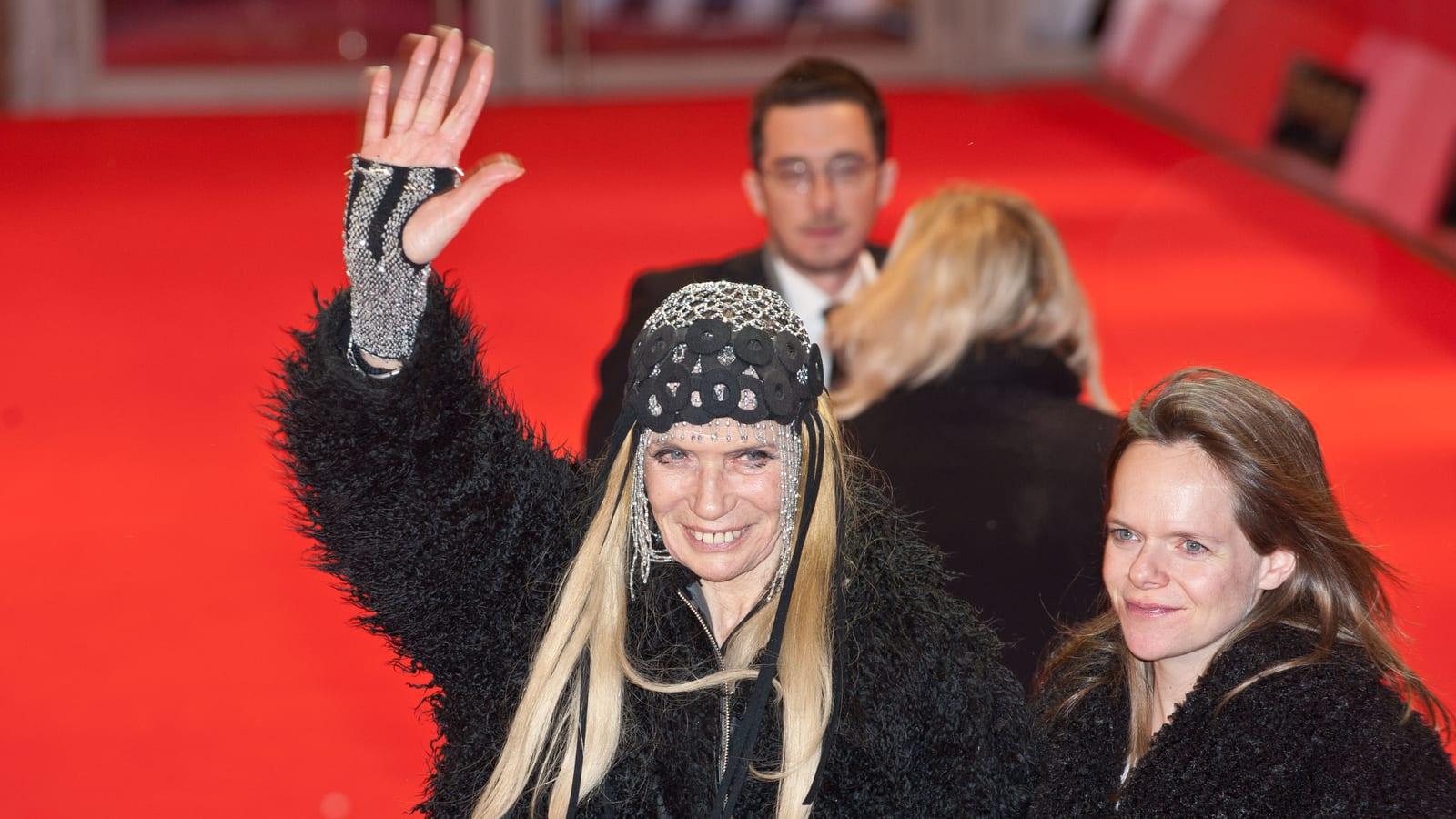
Veruschka, the German model who played herself in Michelangelo Antonioni's Blow-Up and became one of the first true supermodels, has died at her home in Berlin. She was 87. Her death on 24 November was reported the following day.
A few minutes that defined a decade
Her screen time in Blow-Up was brief, and it was enough. In the 1966 film, the fashion photographer at its centre shoots her on the floor of his studio, straddling her as the camera clicks, in a scene that became shorthand for swinging London and for the decade's idea of fashion photography itself. She was credited simply as herself. The film went on to win the Palme d'Or at Cannes, and the image of a tall, angular model stretched across a studio floor outlived almost everything else in it.
From East Prussian countess to Vogue cover
She was born Vera Gräfin von Lehndorff-Steinort on 14 May 1939 in Königsberg, then in East Prussia. When she was five, her father, Count Heinrich von Lehndorff-Steinort, was executed for his part in the 20 July 1944 plot to assassinate Adolf Hitler. The family was detained by the Gestapo until the end of the war and lost its home when East Prussia was annexed by the Soviet Union.
She was discovered in Florence in 1959 by the photographer Ugo Mulas, and worked under the name Veruschka. At about 6ft, she was hard to miss. Championed by the Vogue editor Diana Vreeland, she appeared 13 times on the cover of American Vogue and was photographed by Richard Avedon, David Bailey and Franco Rubartelli.
Walking away at the top
In 1975 she left fashion almost entirely, after clashing with Grace Mirabella, Vreeland's successor at Vogue. "She wanted me to be bourgeois, and I didn't want to be that," she later said. What followed was a second career as an artist. With the painter and sculptor Holger Trülzsch she made a long series of body-painted self-portraits, in which her figure all but disappears into walls, doorways and landscapes. She had been a pioneer of body painting since a 1966 shoot in which she wore nothing but paint.
A final turn in Bond
Film work continued in occasional, often unusual roles, from Salome in 1972 to The Bride in 1985. Forty years after Blow-Up, she returned to a mainstream screen in the 2006 James Bond film Casino Royale, playing Gräfin von Wallenstein, one of the players at the high-stakes poker table in Montenegro. It was a fitting last word from cinema: a countess, playing a countess, in a room full of people trying to read her face.
Reporting this piece draws on
The writer
Nell Fairweather — The lead news file and the weekly column: studio decisions, the numbers underneath them, and what they cost the people who have to live with them.
More from News

Disney keeps Avatar 4 on its slate for 2029, without saying who directs it
Disney has put Avatar 4 on its theatrical slate for December 21, 2029, with Avatar 5 two years later, after a third film that became the lowest-grossing in the series. James Cameron's role in the next instalment remains unconfirmed.

The Hunt for Gollum wraps 387 days out, and Marvel picked the fight
Filming on The Hunt for Gollum ended on 25 November, leaving 387 days of post-production, more than twice what Peter Jackson had on the first Hobbit. The Secret Wars clash was Disney's choice, made 14 days after Warner set its date.
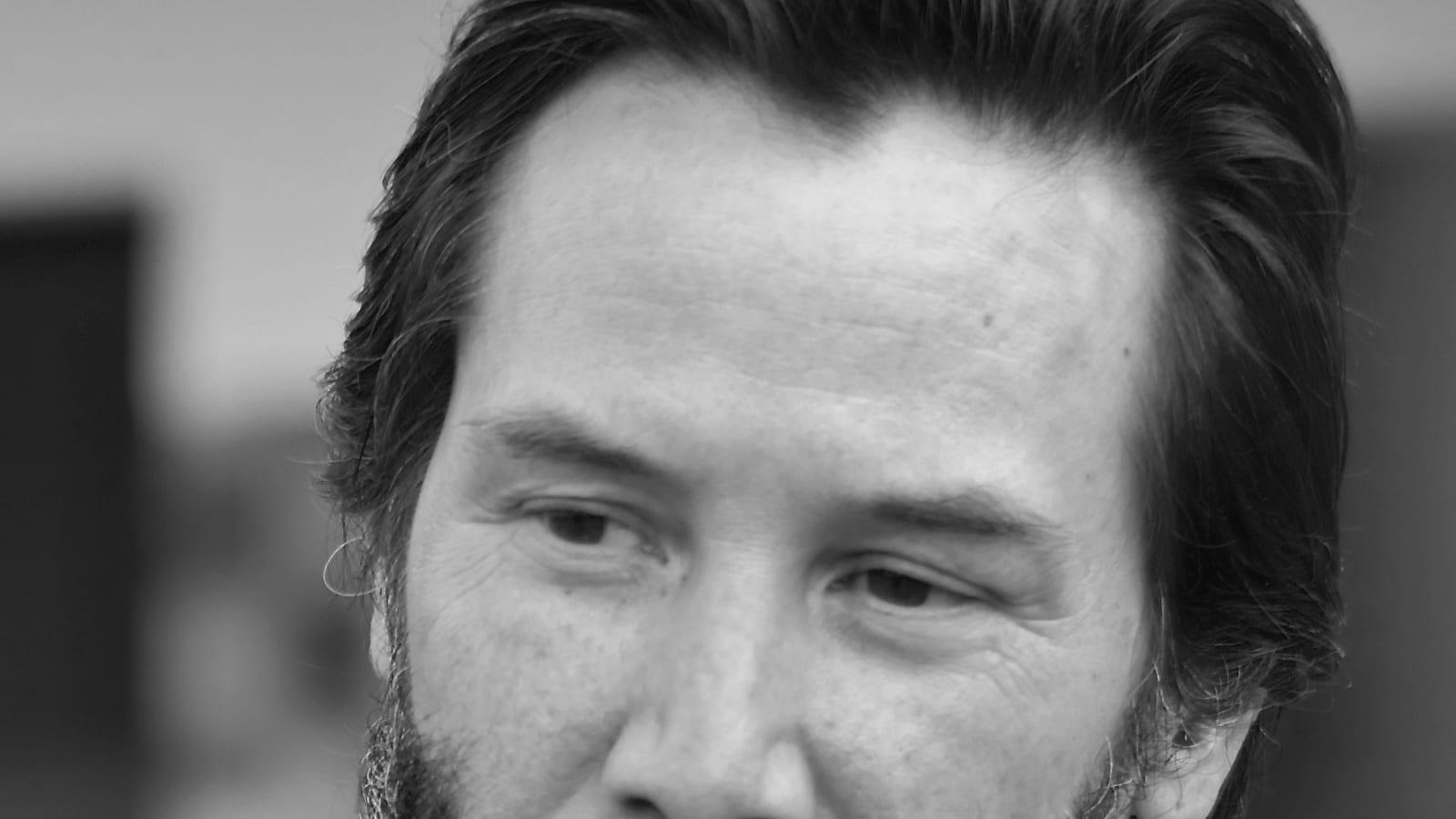
Keanu Reeves returns for an animated John Wick prequel at Lionsgate
Lionsgate has given the green light to an animated John Wick prequel, with Keanu Reeves returning to voice the hitman and Shannon Tindle directing. The story covers the Impossible Task that freed Wick from the High Table, set before the 2014 original.