Netflix paid $587m for AI filmmaking tools as Hollywood pushes back
Netflix bought Ben Affleck's AI company InterPositive, while courts, unions and the Oscars spent 2026 deciding how much AI Hollywood is allowed to use.

Danny Boyle has confirmed there are about 30 seconds of generative AI in Ink, the film that opened this year's Venice Film Festival. He used it to animate a couple of old photographs and to put mice in a 1970s newsroom.
It is a small admission from a big name, and it arrives at the end of the year in which AI stopped being a hypothetical for the film business. In a Vanity Fair interview at Telluride, reported by TheWrap, Boyle said the technology is useful "provided you use it respectfully and provided you pay actors if you're going to replace them".
The mice have a backstory. Boyle said he "got in trouble with PETA" over the real chimpanzees in 28 Days Later, and has avoided live animals ever since.
The money is already moving
Netflix, which streams Ink from 8 January, has put more cash behind this than any other studio. In March it agreed to buy InterPositive, the post-production AI company Ben Affleck co-founded in 2022, and a regulatory filing later showed it paid $587 million in cash, TechCrunch reported. InterPositive's tools repair footage after the shoot, from missing shots to bad lighting. Netflix also says around 300 of its titles have now used generative AI in some form.
Lionsgate went further. It named Kathleen Grace as its first chief AI officer in February, and in June took an equity stake in Runway, the video-model company it has worked with since 2024. Runway's announcement says the two will develop new projects together, starting with a short-form series built on Lionsgate's existing franchises.
Cristóbal Valenzuela, Runway's co-founder and co-chief executive, said the studios most serious about AI are "thinking about it as a creative resource, not a cost-cutting tool". Most studio finance departments would read that sentence in the opposite order.
How quickly the tools are improving
Faster than anyone's contracts. ByteDance released Seedance 2.0 on 12 February, and a clip of Tom Cruise fighting Brad Pitt, made by Irish filmmaker Ruairi Robinson, spread within hours. Charles Rivkin, chairman and chief executive of the Motion Picture Association, said that "in a single day" the service had "engaged in unauthorized use of U.S. copyrighted works on a massive scale", according to Variety. Disney sent a cease-and-desist letter the next day. ByteDance promised to strengthen its safeguards, then kept shipping: its follow-up, Seedance 2.5, generates a single continuous 30-second clip with sound.
At the Reply AI Film Festival, which ran alongside Venice, organisers picked 10 finalists from more than 3,000 AI-made entries, with Twilight director Catherine Hardwicke on the jury, Semafor reported.
Better models do not guarantee a business, though. OpenAI shut down its Sora video app this spring, roughly six months after launch, and Disney dropped its planned $1 billion investment along with a three-year deal to license more than 200 of its characters to the app. The best-funded AI company in the world could not make video pay.
What the law says in 2026
In the United States, the case that matters most to Hollywood is still open. Disney, Universal and Warner Bros. are suing Midjourney, arguing that the image generator trained on their characters and lets anyone reproduce them. Midjourney's defence is fair use, and it argues the studios' own AI work proves the industry thinks the same. A magistrate judge limited that line of inquiry in June and Midjourney has asked for the ruling to be reviewed, The Art Newspaper reported. Lawyers for the studios called the request a "fishing expedition".
Authorship is more settled. On 2 March the Supreme Court declined to hear Stephen Thaler's appeal, leaving in place the rule that copyright requires a human author. For studios, that is the quiet problem. A shot made entirely by a machine is not something they can own.
Britain has chosen to wait. The government's report on copyright and AI, published on 18 March, abandoned its earlier preference for an exception that would have let AI companies train on creative work unless rights holders opted out. It set no timetable for new legislation, and said creators "should be able to control how their works are used".
The unions wrote AI into their contracts
The Writers Guild of America ratified its new contract on 24 April with 90.38 per cent of the vote. AI still cannot write or rewrite literary material. Studios agreed to notify the guild, and give it a chance to bargain, if they license writers' work to train a commercial AI system, but they refused to pay for that training, Variety reported.
SAG-AFTRA members approved their deal by 91.42 per cent in June. Since 1 July, producers cannot put a synthetic performer in a human role unless it brings "significant additional value" to the production, and they need an "articulable business reason" to scan an actor for a digital replica, TheWrap reported.
The union was blunter about Tilly Norwood, the AI "actor" from Eline van der Velden's company Particle6, who is now set to lead a feature called Misaligned. "Creativity is, and should remain, human-centered," SAG-AFTRA said, via CBS News.
The Academy drew the same line
From the 99th Academy Awards, a performance must be "demonstrably performed by humans with their consent" and a screenplay must be "human-authored", TechCrunch reported when the rules were published in May. The Academy can also ask a film to explain how it used AI. Using AI elsewhere is allowed.
Where it goes from here
Put the year's decisions side by side and they agree. The software can be in the film. The writing, the performance and the consent have to come from people.
That still leaves an enormous amount of room, and the tools are getting better month by month. Boyle's mice pass every test above, as would most of Netflix's 300 titles. What remains is a fight about money: who gets paid when a model learns from a script, a face or a century of characters. Audiences, meanwhile, are unconvinced. A Gallup poll cited by Semafor found 55 per cent of Americans believe AI makes creative work worse.
The next answers come quickly. Discovery in the Midjourney case closes on 21 September, summary judgment motions are due on 23 November, and Ink opens in cinemas on 11 December with its 30 seconds on the record.
Reporting this piece draws on
- TheWrap Danny Boyle Used AI for New Film 'Ink': 'There's About 30 Seconds of It'
- Deadline Danny Boyle Confirms Use Of AI In New Movie 'Ink'
- TechCrunch Netflix paid $587M for Ben Affleck's AI filmmaking startup
- Variety Motion Picture Association Denounces 'Massive' Infringement on Seedance 2.0
- Variety OpenAI Will Shut Down Sora Video App; Disney Drops Plans for $1 Billion Investment
- The Art Newspaper Midjourney strikes back: sued AI giant demands Hollywood's secrets
- Variety What's in the WGA Deal
- TheWrap SAG-AFTRA Reveals Details of 4-Year Agreement With Studios
- TechCrunch AI-generated actors and scripts are now ineligible for Oscars
- Semafor Filmmakers tout AI's use in Hollywood at the other film festival in Venice
- CBS News AI actor Tilly Norwood set to star in first feature film
The writer
Nell Fairweather — The lead news file and the weekly column: studio decisions, the numbers underneath them, and what they cost the people who have to live with them.
More from News
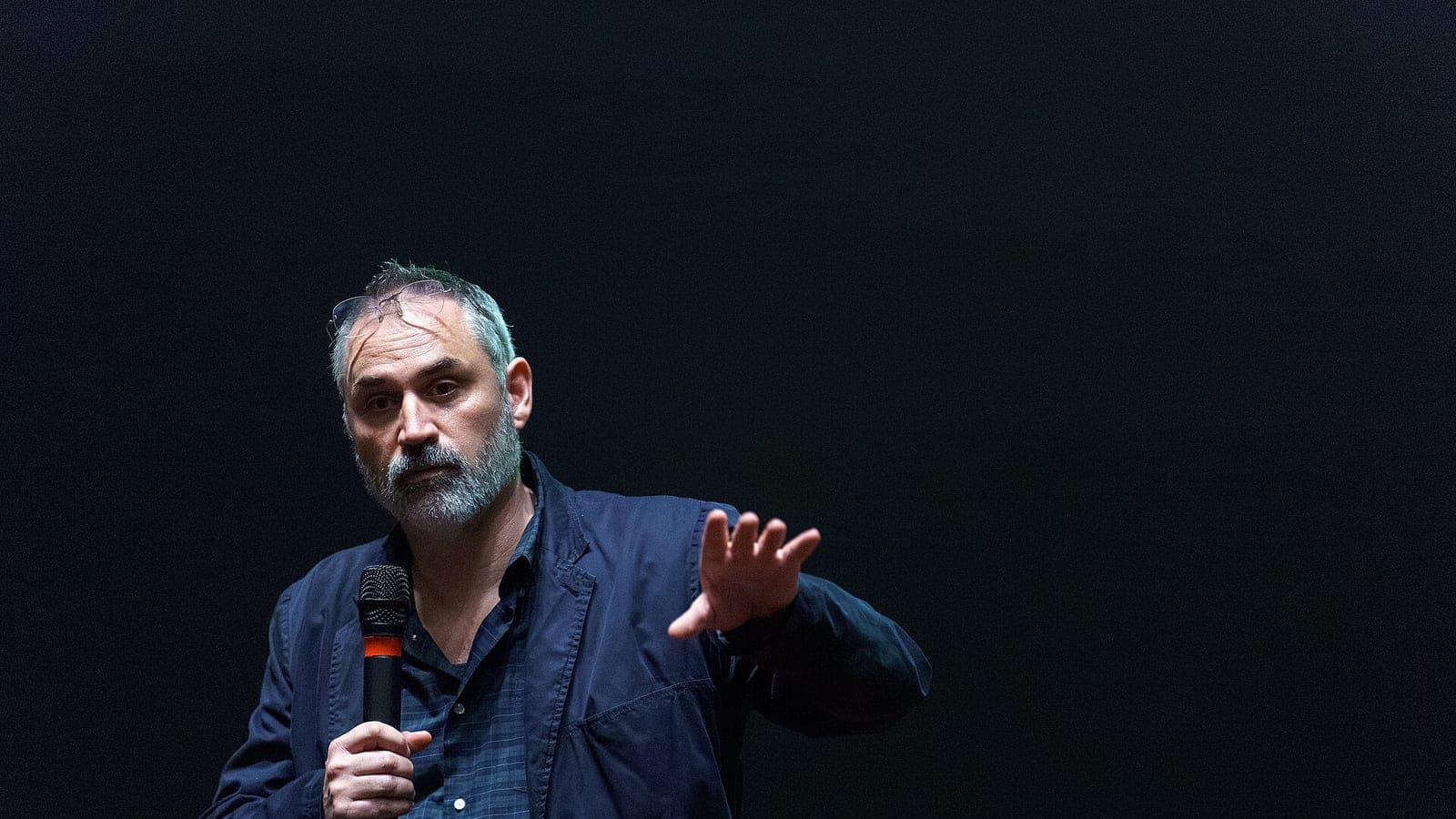
Zendaya's new Alex Garland film is his third since he quit directing
Alex Garland has announced his retirement from directing twice on the record, in 2022 and 2024. Since the second statement he has directed Warfare, taken on A24's most expensive film ever, and now signed Zendaya for an untitled sci-fi shooting in 2027.
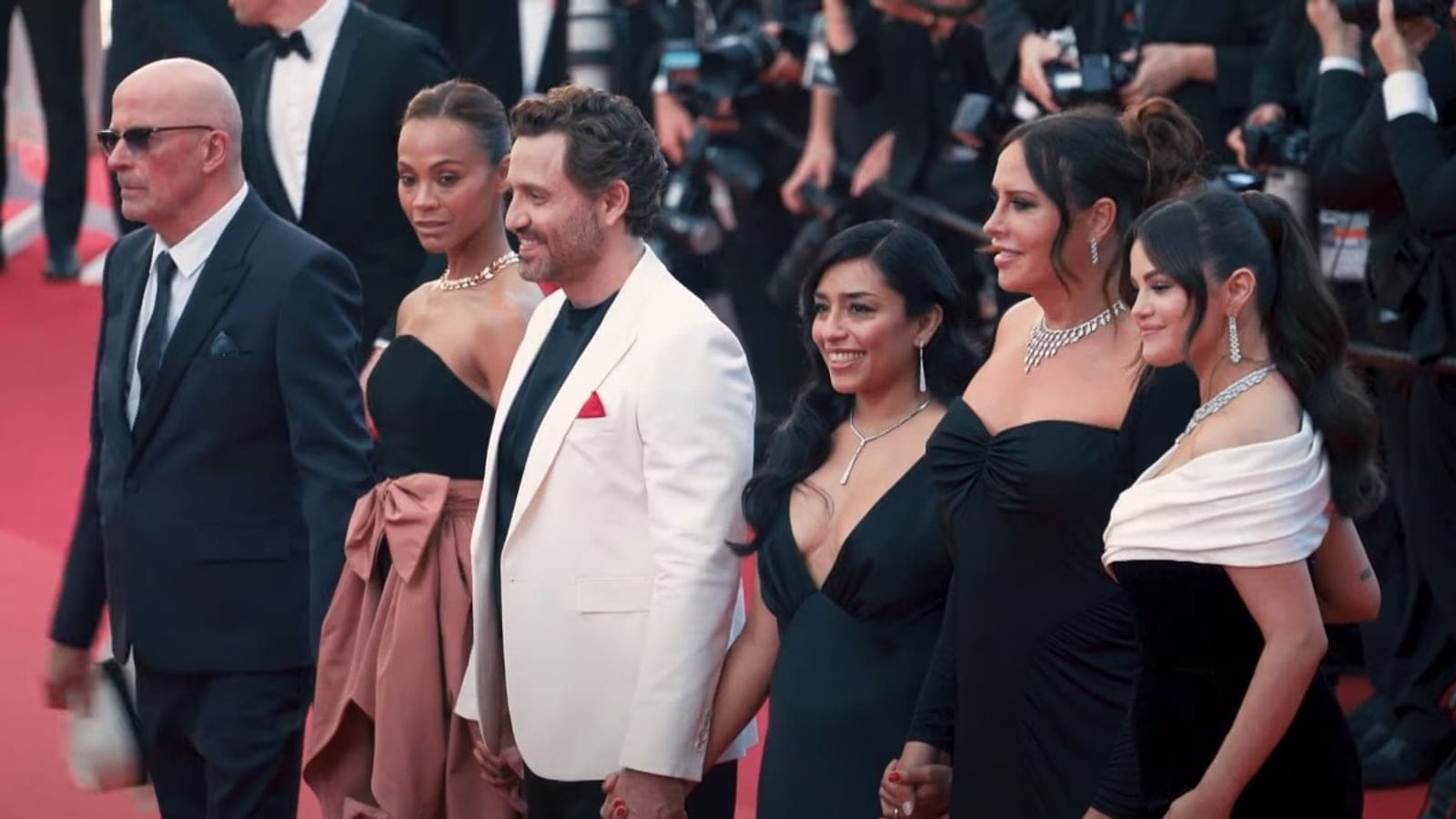
Canal+ VAT rise would cost €200m a year. Its film deal is €196m
Canal+'s July accord commits €196m a year to French and European film from 2028. The draft 2027 budget's VAT rise costs it up to €200m a year, and triggers the clause that voids the whole deal.
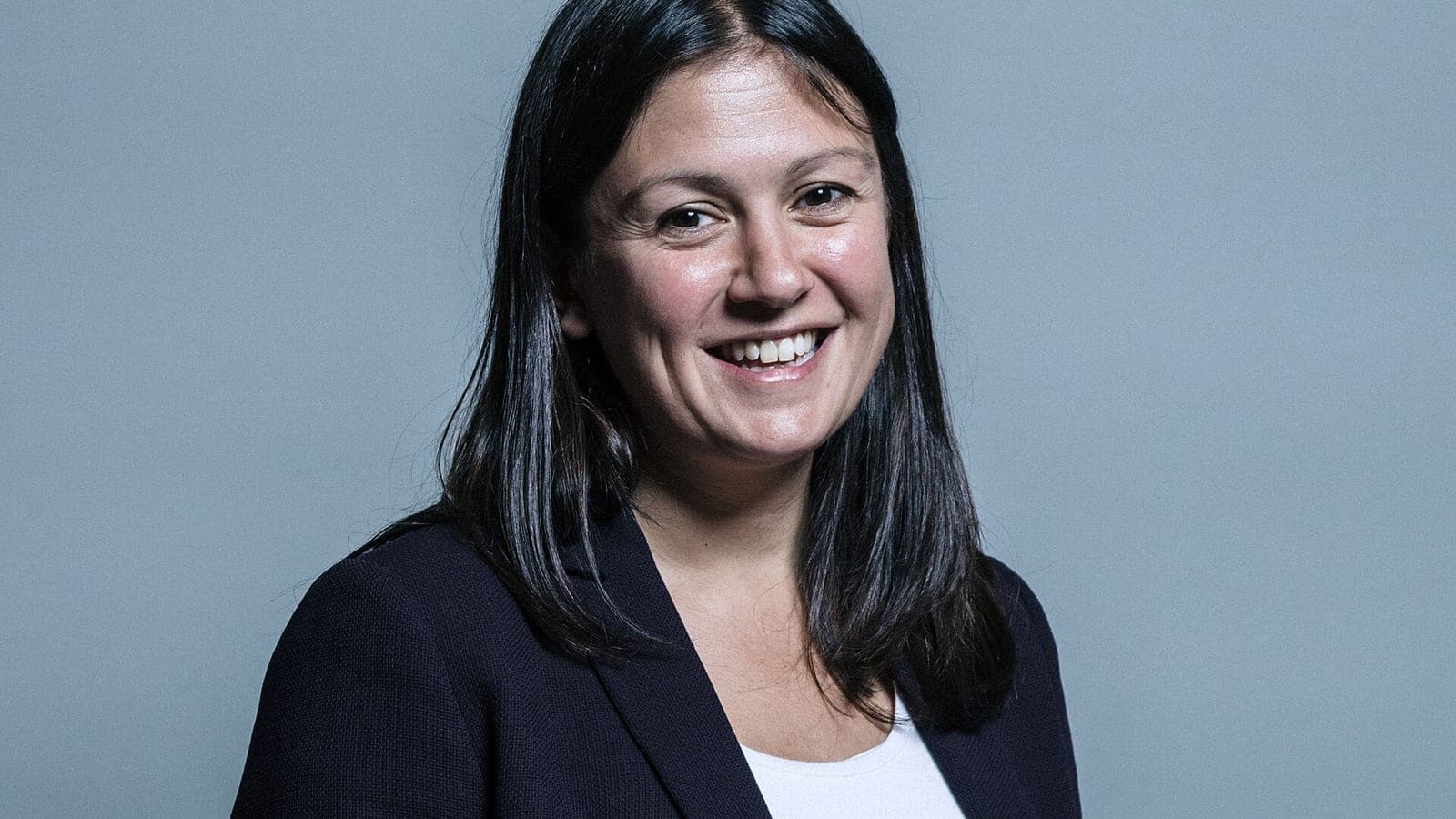
Sky's £1.6bn ITV takeover is Nandy's second media warning in 107 days
Lisa Nandy's 'minded to intervene' letter on Sky and ITV comes 107 days after the one she sent Paramount. Laid next to three earlier Sky cases, the dates show which kind of review this is likely to be.