Newsom wants $1bn in film credits. Without them, LA filming fell 11%
The governor proposed California's third credit cap in sixteen months on the day before the state elects his successor, and wants the programme written through 2040.
Strip the subsidised shoots out of FilmLA's latest count and filming in Los Angeles fell 11.4% in the third quarter. Productions backed by California's film and television tax credit logged 505 shoot days between July and September, up from 242 in the same months last year. Everything else, the features, series and commercials shooting without state help, fell from 4,138 days to 3,666. The headline total of 4,171 days, down 4.8%, is the flattering version.
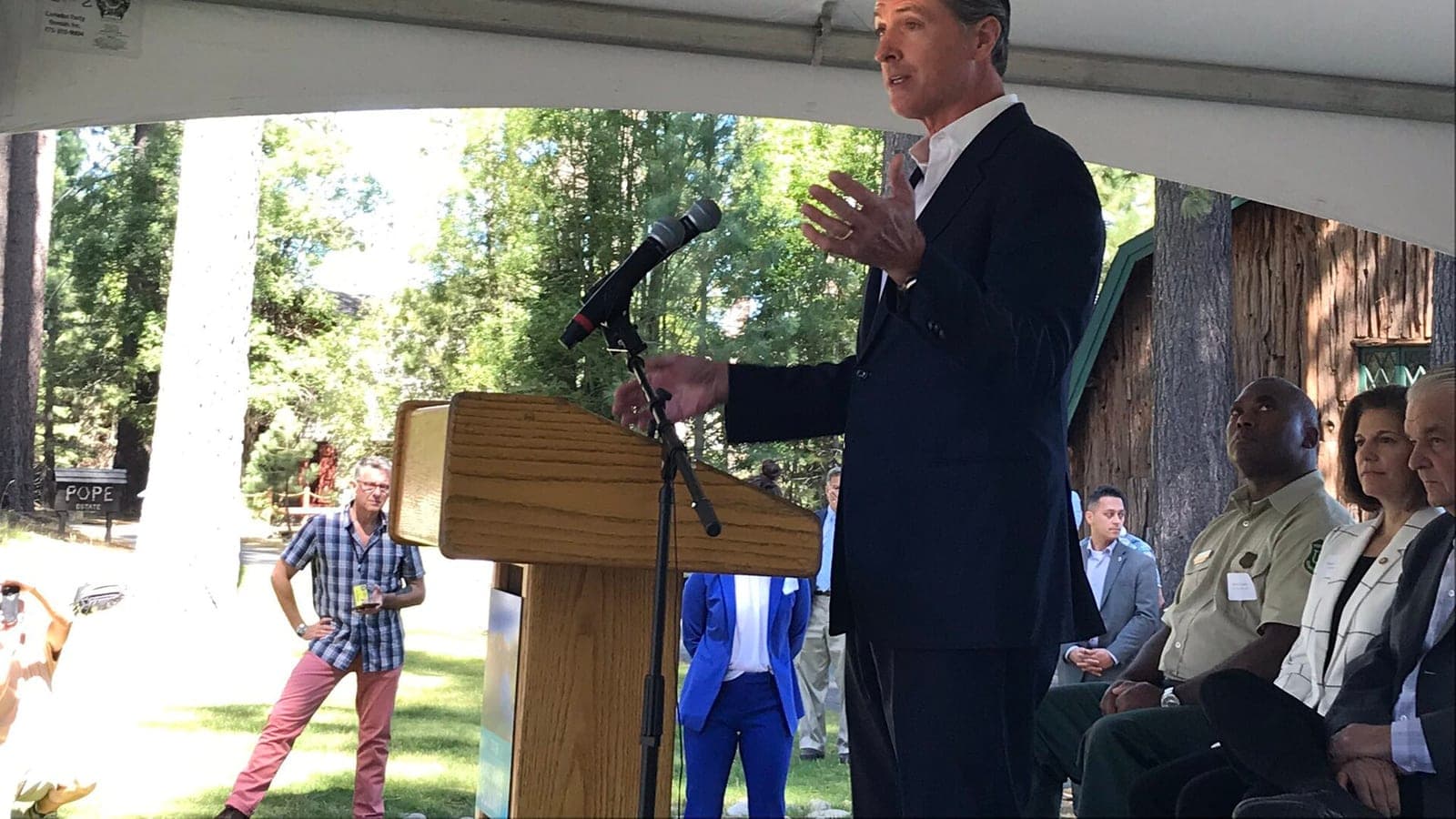
That arithmetic sits underneath the announcement Gavin Newsom made on Monday. The governor proposed raising the credit from $750m a year, a level he signed into law sixteen months ago, to at least $1bn, and extending the programme through 2040. The current authorisation runs to 2030. He made the proposal on the eve of the midterms, the day before Californians elect his successor.
What $1bn would actually change
The cap is not the interesting part. For the first time since the programme began in 2009, the credit would cover above-the-line costs, the fees paid to directors, producers and cast, Screen Daily reports. It would reserve $100m a year for independent film and add a 5% bonus for companies that commit at least two productions to the state, per TheWrap.
Excluding star salaries is how California has kept its cost per subsidised job down for seventeen years. Covering them bids for the thing that actually decides where a big film lands, and it makes every subsidised dollar buy fewer jobs. That trade is the real policy change, and the announcement does not price it.
"At least $1 billion in tax credits means more investment flowing into our economy and more opportunity across the industry," Newsom said in the announcement.
At $1bn, California would run the largest capped incentive in the country. Georgia, the state that takes most of the work that leaves, caps nothing.
A bigger share of a smaller business
The credit works where it applies. FilmLA's third-quarter report, published on 21 October, has TV comedy up 143% to 192 shoot days, 62% of them on subsidised projects. TV drama fell 9.4% to 494 days, but the subsidised share of it jumped from 20.6% to 49.4%. Half the dramas shooting in Los Angeles are now there because the state pays.
Incentivised projects made up 40.3% of all scripted on-location filming in the county, nearly double their share a year earlier. Features were the one category the governor can claim without an asterisk: 533 shoot days, up 2.1% on last year, with the subsidised share edging from 22% to 24.2%. Commercials, which get no credit, fell 15.9%. Reality fell 2.9%. Denise Gutches, FilmLA's chief executive, said overall production "remains far below where Los Angeles needs it to be".
Newsom's office counts differently. Its announcement credits the 2025 expansion with $8.25bn in direct production spending, more than 43,000 cast and crew jobs, and a 52% rise in film shoot days. Both sets of figures are true. The governor's measure the subsidised slice; FilmLA counts the whole business, and the whole business is still shrinking. The credit is buying California a larger share of a smaller industry. That is not nothing. It is also not a recovery.
The same announcement says the programme has generated $35.4bn in economic activity and supported more than 248,000 cast and crew jobs since 2009, and that every dollar of credit has returned $24.40 in economic output. A 24-to-1 return would make this the best investment the state of California makes anywhere. Those are the programme's own figures, compiled to argue for the programme, and they should be read that way.
Tenfold in seventeen years
California's incentive began in 2009 at $100m a year, allocated by lottery. Jerry Brown tripled it to $330m in September 2014 and replaced the lottery with a jobs-based ranking. Newsom took it to $750m in the budget he signed on 2 July 2025, a $3.75bn commitment over five years, and a day later signed AB 1138, which lifted the base credit to 35% and the per-production cap to $120m.
The case for the 2025 rise was unmet demand. More productions applied than the fund could pay, and the governor's office said at the time that 69% of the rejected projects went on to shoot outside the state. The case for this one is thinner, because the bigger fund has now existed through five quarters of FilmLA reports and the county's totals are still going down.
Now, sixteen months on, at least $1bn. A cap that stood at $330m in June 2025 would have tripled. Each rise was sold as the one that keeps the work home, and the work keeps leaving: American Idol, a series about Hollywood if ever there was one, moved production to Georgia this year even though Georgia's rebate pays a lower rate than California's.
Somebody else's cheque to write
Newsom is termed out. He leaves office in January, and a credit written through 2040 would run fourteen years past his exit. The proposal needs the legislature, and it needs a governor Californians have not yet chosen. Nothing announced on Monday binds either of them.
He also renewed his call for Congress to pass the Motion Picture, Television and Entertainment Revitalization Act, the federal production incentive introduced in September, by the end of the year. "States can't shoulder the cost alone, which is why I am calling on Congress to back up an expanded tax credit by passing national film and TV tax credit legislation," he said. The bill was introduced in September with sponsors from both parties and has sat since. Senator Adam Schiff has called it close, and named the White House as the risk to it. Nothing moves in Congress before Tuesday either.
The polls close on Tuesday night. The next state budget, the first that could carry a $1bn credit, is presented in Sacramento in January by whoever wins.
Reporting this piece draws on
- Deadline Newsom's November Surprise: Boost CA Film & TV Tax Incentives To $1B ASAP, Says Exiting Governor
- Screen International California governor proposes $1bn film and TV tax credit
- TheWrap Gavin Newsom Proposes Expanding California's Film and TV Tax Credit Program to at Least $1 Billion
- Variety Gavin Newsom Proposes Expanding California's Movie and TV Tax Credit to at Least $1 Billion
- FilmLA FilmLA Q3 Report: Tax Credit Projects Now Make Up 40 Percent of Scripted On-Location Filming in Los Angeles
- Tax Foundation California Triples Film Tax Credit
- CalChamber Governor Signs Cost Cutter Film Tax Credit Bill
The writer
Nell Fairweather — The lead news file and the weekly column: studio decisions, the numbers underneath them, and what they cost the people who have to live with them.
More from News

Mike Leigh says Tender Loving Care will very likely be his final film
Mike Leigh has said that Tender Loving Care, his acclaimed new drama, will very likely be his final film. The 83-year-old British director, known for Secrets & Lies and Mr. Turner, has drawn some of the strongest reviews of his career for the gentle story about two social workers and an ageing couple. It opens in US cinemas in December through Bleecker Street.
Macaulay Culkin pitched the new Home Alone on stage a year ago
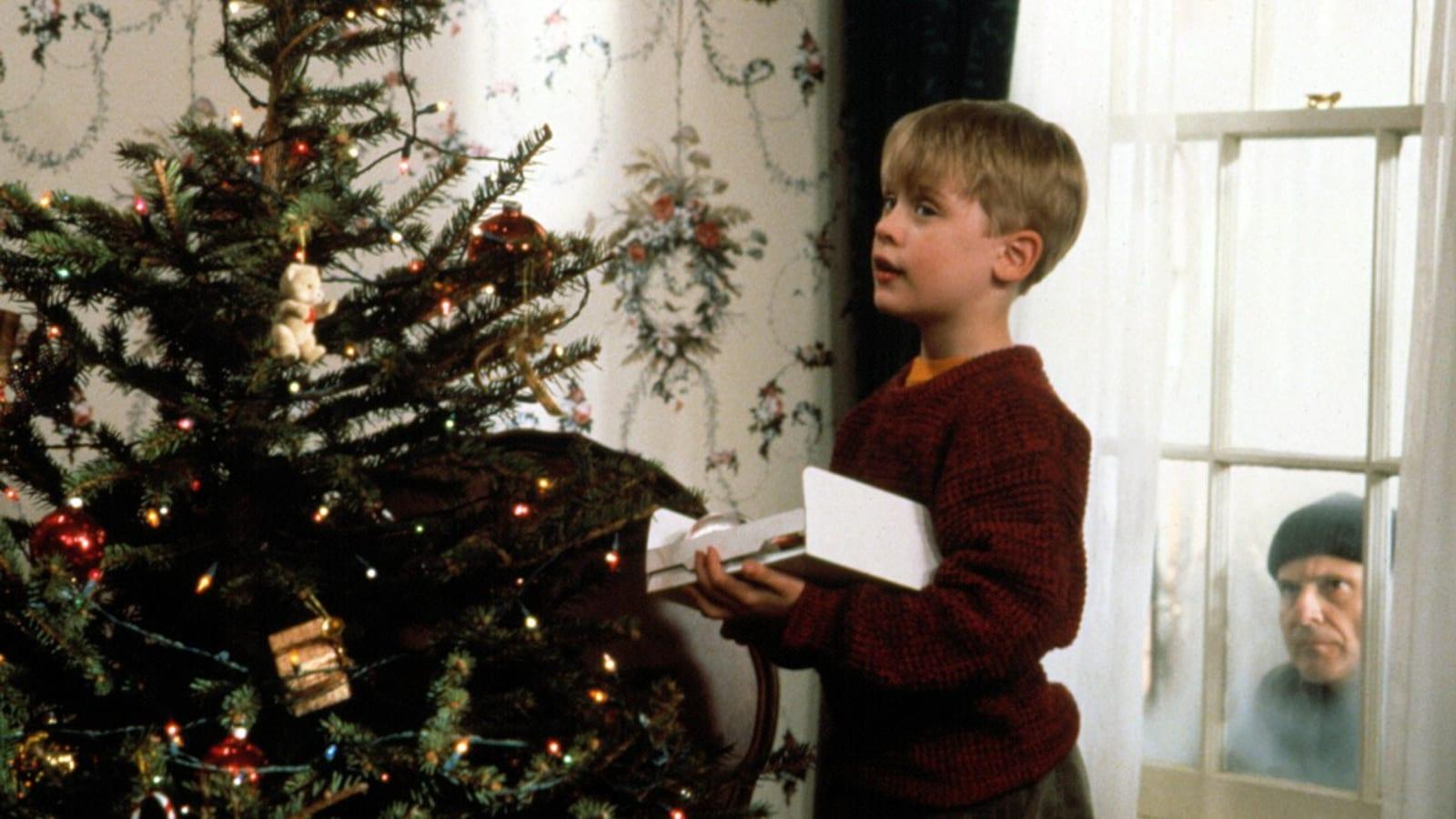
Disney is developing a new Home Alone with Macaulay Culkin, Seth Rogen and Evan Goldberg, 34 years to the day after Home Alone 2 opened. The premise is the one Culkin has been performing on his stage tour since late 2025: Kevin locked out, his son building the traps.

Jafar Panahi's sentences now total 12 years. He has served ten months
Six years in 2010, one year last December, five years and one month in October: Iran's courts have handed Jafar Panahi 12 years and one month of prison, of which he has served about ten months. Scorsese, Binoche and the heads of four festivals joined the protest against the latest ruling.