Bob Chapek defends his price rises as Disney+ hits $21.49 a month
Behind the Castle Walls is published on 29 September, six days after Disney put the ad-free tier at $21.49, up 95.5% on the price Chapek set.
The last Disney+ price rise Bob Chapek signed off took effect on 8 December 2022, eighteen days after the board had sacked him. It put the ad-free tier at $10.99 a month. On Wednesday it reached $21.49.
That is a 95.5% increase on the figure Chapek left behind, delivered in four annual instalments by the two men who followed him. His memoir, which defends the pricing instincts that made him the least popular executive in Burbank, is published six days after the latest one.
Behind the Castle Walls: My Thirty Years at the Happiest Place on Earth, written with Don Yaeger for Simon & Schuster's Gallery Books, comes out on 29 September. The New York Times obtained an advance copy. The excerpts that followed are the first full account the former chief executive has given of a job that lasted 33 months, and his central claim, reported by Variety and Deadline, is that Bob Iger, who chose him, "clearly regretted it and seemed to initiate a relentless three-year campaign to push me out".
Iger has not responded. Neither has Disney.
The filing says something narrower
Chapek writes that the way the board and Iger handled his exit "made it seem as if I had committed some terrible offense". Disney's own account of that day is a matter of public record, and it reads differently.
The 8-K the company filed with the Securities and Exchange Commission on 20 November 2022 states that Disney "exercised its right to terminate without cause the employment of Robert A. Chapek as Chief Executive Officer", that he resigned from the board under the terms of his contract, and that he would receive the separation benefits that contract already provided. Without cause is the wording a company reaches for when it has found no misconduct. It is also the expensive wording, because it releases the payout.
There is no criticism of him anywhere in the document.
Four rises in four years
Here is what the ad-free tier has cost in the United States since launch:
- November 2019: $6.99
- March 2021: $7.99
- December 2022: $10.99
- October 2023: $13.99
- October 2024: $15.99
- October 2025: $18.99
- September 2026: $21.49
Three of those numbers are Chapek's. Four are not. The service has risen 207.4% since the day it opened, and $10.50 of that $14.50 has arrived since he stopped working there.
The Washington Post reported the $10.99 rise on 11 August 2022, the morning after Chapek announced it on an earnings call and was told at length on social media what people thought of it. He was gone before subscribers paid a penny of it.
The gap is the strategy
The more useful number this week is the one between the tiers.
Chapek launched the ad-supported plan at $7.99 on the same December day the ad-free plan went to $10.99, as TechCrunch reported. The gap was $3.00. On Wednesday the ad plan went to $12.49 and the ad-free plan to $21.49, according to the tier-by-tier breakdowns published by MacRumors and TVLine. The gap is now $9.00. It has tripled, exactly, in three years and nine months.
This week's rise is that pattern in miniature. Ad-free went up 13.2%, ad-supported 4.2%, and the ad-supported Disney+ and Hulu bundle did not move at all, holding at $12.99. (MacRumors and TVLine date the change to Wednesday 23 September; TheWrap gives it as the 24th.)
Then look at what Disney is now charging for Hulu. On its own, ad-free Hulu is $21.49. Added to ad-free Disney+ in the Premium bundle, the pair costs $21.99. The second service costs fifty cents.
A standalone ad-free subscription at $21.49, or $257.88 a year, is therefore not really a price. It is a fence. It exists to move you onto advertising, where Disney can sell you twice, or onto a bundle it wants locked in before the combined Disney+ and Hulu app arrives at the end of the year. Anyone paying for both services separately is handing over $515.76 a year for something the bundle sells at $263.88.
The part of the book Disney cannot argue with
Chapek apologises for none of it. Asked in the book what he got wrong, he writes: "The answer, again, is nothing." On pricing he is blunter, and this is the line that matters: "We'd been, at a minimum, leaving revenue opportunities on the table to avoid stirring the hornet's nest."
He defends the airline-style dynamic pricing he took into the theme parks and points to 18% compound annual profit growth during his years running them, per WDWNT, which read the same advance copy. On the firing: "I didn't get a chance to finish what I started. In truth, it pisses me off."
Set the grievance aside and the pricing argument is the part of the memoir his successors have the least standing to dispute. They have spent four years making it for him. Faster than he managed, too, and without wearing the blame he wore. Charging more for the things people had filed under cheap is now ordinary practice across the business, from streaming tiers to the Lucas Museum's $25 ticket.
What has changed since 2022 is the cover. Disney is doing this while every rival does the same, and while the fight over Warner Bros. Discovery produces competitors who have committed in writing to 30 theatrical films a year. A $2.50 rise announced on a Wednesday in September attracts a fraction of the anger that met Chapek's $3.00 rise announced on an earnings call in August.
Josh D'Amaro, who took over from Iger on 18 March, has now raised prices in his first year in the job. Iger stayed on the board as a senior adviser.
Existing subscribers will see the new rate on their next billing date. The combined app is due before the end of the year. The book is out on Tuesday.
Reporting this piece draws on
- U.S. Securities and Exchange Commission The Walt Disney Company, Form 8-K, 20 November 2022
- MacRumors Disney+ and Hulu Raise Prices Again, Ad-Free Plans Now $21.49
- TVLine Disney+ & Hulu Price Increase September 2026 — New Subscription Cost Revealed
- TheWrap Disney+ and Hulu Raise Prices Again, Ad-Free Plans Top $21 Per Month
- Variety Ex-Disney CEO Bob Chapek Says Bob Iger Ran 'Relentless Three-Year Campaign' to Fire Him
- Deadline Ex-Disney CEO Bob Chapek Blames Bob Iger For Ouster In New Memoir
- WDWNT Bob Chapek Rejects Any Personal Responsibility, Stands By Price Hikes, and Blames Iger in New Memoir
- TheWrap Bob Chapek Blames Bob Iger for His Disney Downfall, Stands by Theme Park Price Hikes in Memoir
- The Washington Post Disney Plus to raise subscription price in December
- TechCrunch Disney+ launches its ad-supported tier to compete with Netflix
- CNBC Disney names parks boss Josh D'Amaro as its next CEO to succeed Bob Iger, effective March 18
- Variety Price Increases for Disney+, Hulu, ESPN+ Take Effect in October 2024
The writer
Marcus Dey — Deals, development and the people who move between them, written for readers who want to know why a project exists at all.
More from Streaming
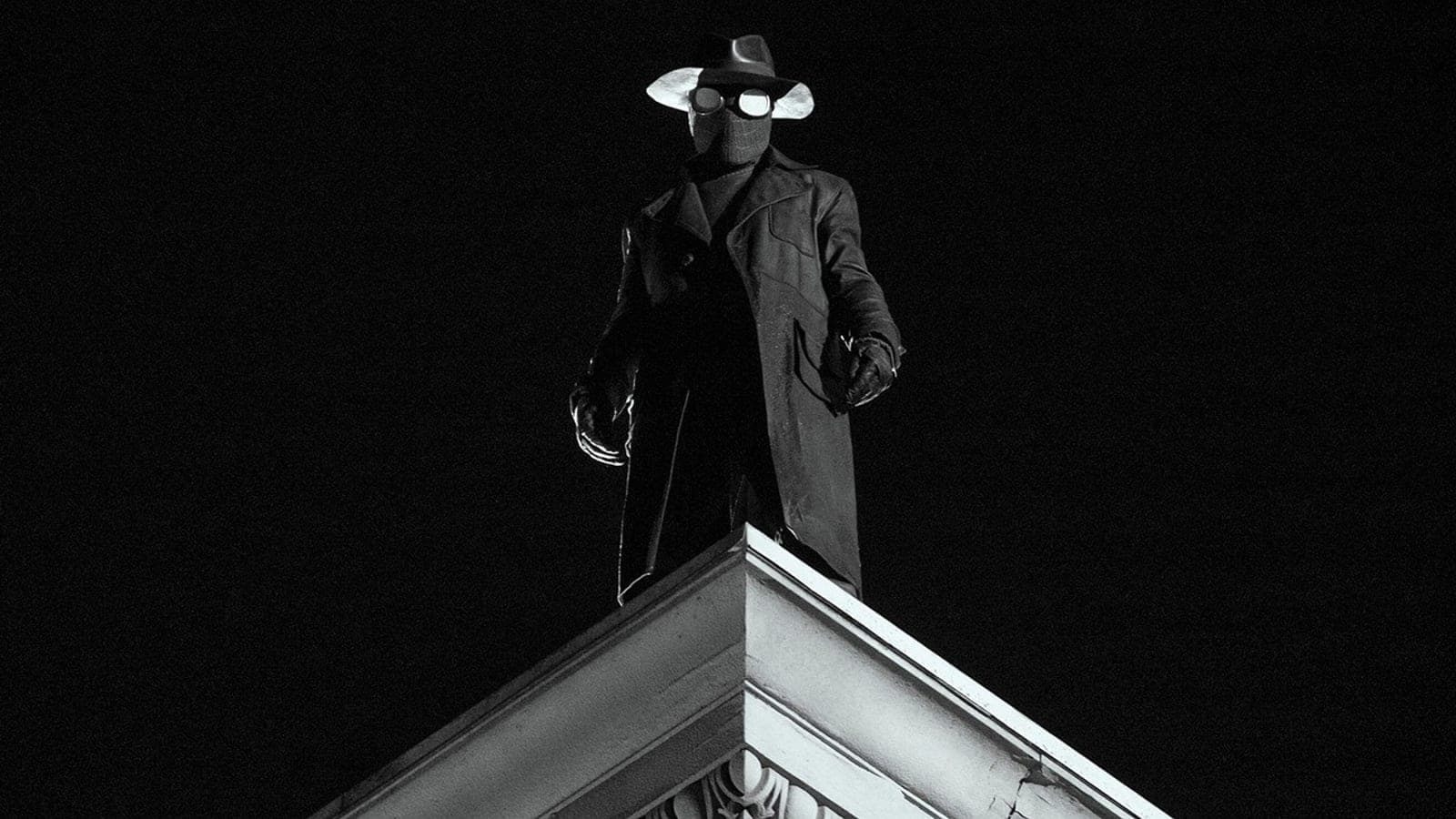
Spider-Noir cancelled at Prime Video in Spider-Man's record week
Amazon has now retired both series announced under its Sony Marvel television pact, and it dropped the second one in the week the Spider-Man film franchise set domestic box office records.
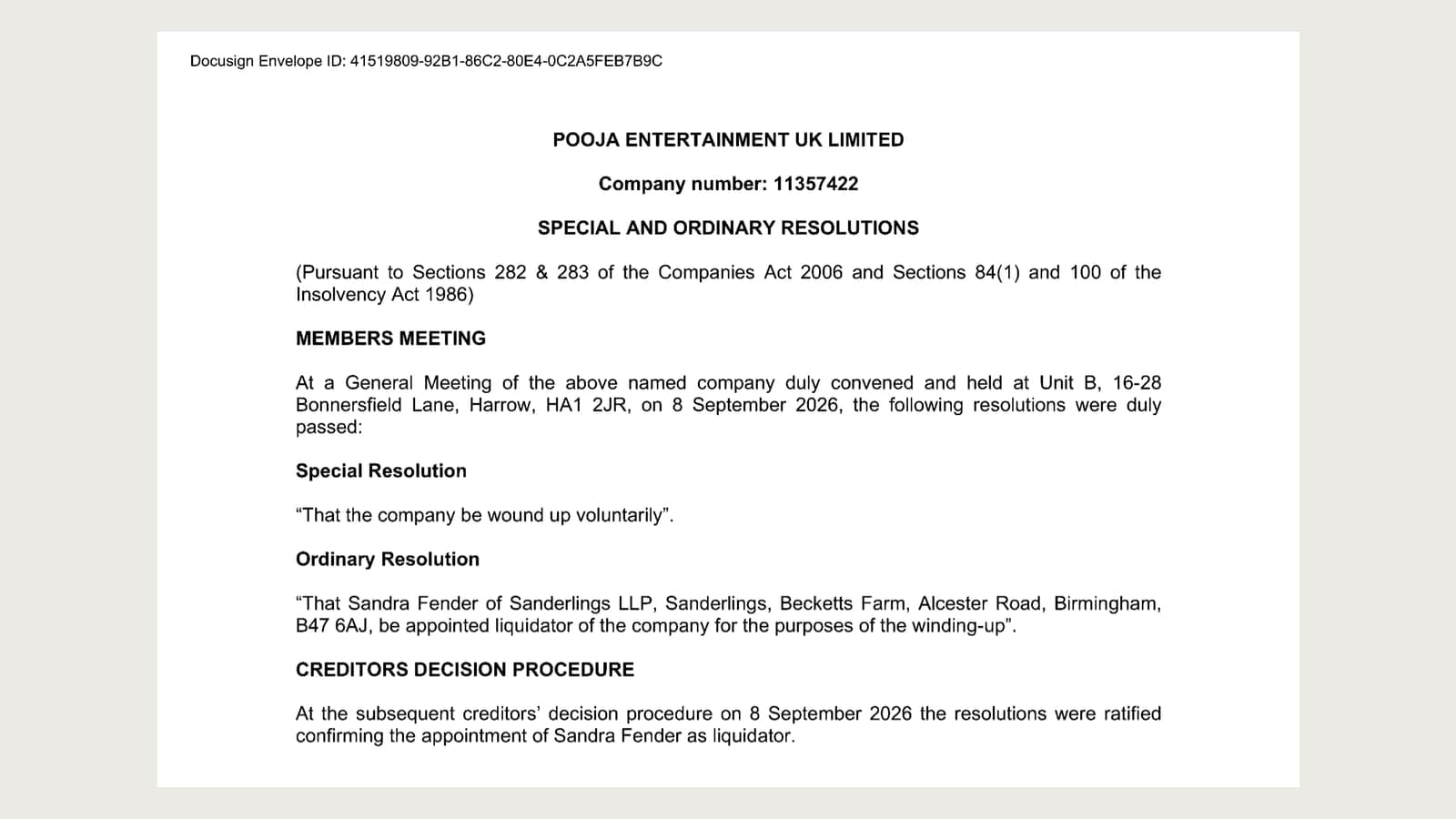
Vashu Bhagnani's UK company owes £10m, 87% of it to a UAE firm
Pooja Entertainment UK Limited's statement of affairs, filed on 17 September, puts its debts at £10,085,267.92. A single creditor in the United Arab Emirates accounts for £8,752,652.35 of it.

Oscars 2027 festival route adds three films countries passed over
The Academy's first change to how films reach the international feature Oscar in seventy years let in Yellow Letters, Shame and Money and Angh. The other three festival winners were going to be there anyway. Submissions closed on 30 September.