Paramount's Warner settlement needs 11 more films a year than 2025
The 30-film pledge now heading into an antitrust deal with 12 states is 58% above what the two studios actually released last year, and neither has managed 15 alone.
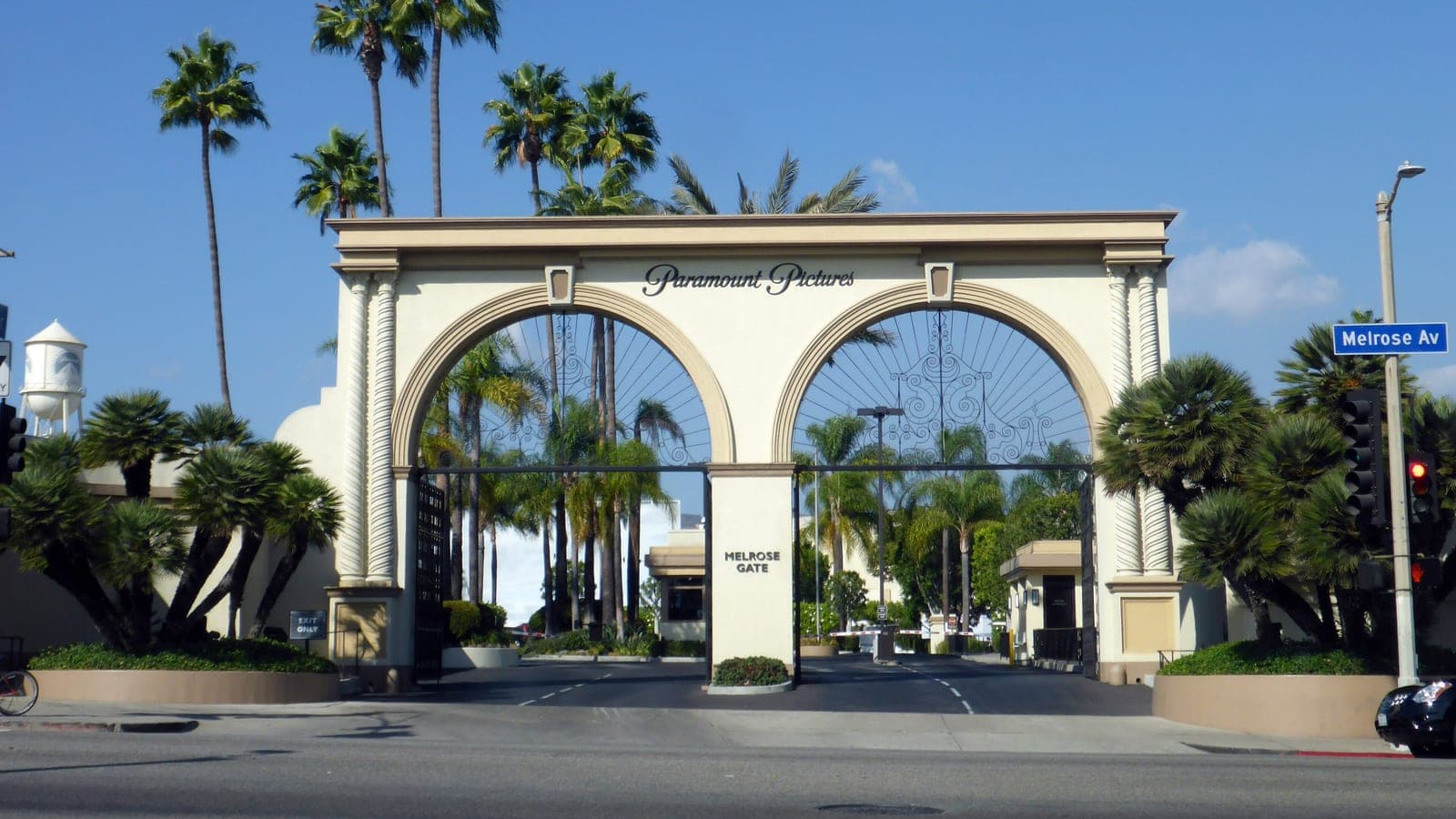
Warner Bros. put eleven films into American cinemas last year. Paramount put out eight. The number now being written into an antitrust settlement is thirty.
That gap is the last mile of the biggest media deal in a decade. Paramount is in advanced talks with California attorney general Rob Bonta and eleven other state attorneys general to settle the suit holding up its $110bn takeover of Warner Bros. Discovery, and among the terms under discussion, Reuters reported on Friday, are independent monitoring of CNN's content and a commitment on how many films the merged company releases theatrically each year. The Wall Street Journal reported the advanced stage of the talks on Thursday. TheWrap added that the compromises being weighed include running the two film studios separately for a period rather than folding them together, and divesting cable channels including Comedy Central.
The film number itself has been public since March. What nobody has done is hold it against what the two companies actually release.
Nineteen films, going on thirty
Counting every title that reached Box Office Mojo's domestic chart for its year of release, Warner Bros. released eleven films in 2025 and Paramount eight. Nineteen between them. Those are the same figures Variety reported in March, when David Ellison, Paramount's chief executive, told analysts the combined company would make "15 theatrical films per year per studio, for a total of at least 30 films annually".
Thirty is 58% more than nineteen. Eleven extra films a year, which over the three-year term Paramount has offered to sign means ninety films where the current rate produces fifty-seven. Thirty-three films that do not exist.
The count deliberately excludes anything that never reached the top 200, because platform releases and awards runs are not what exhibitors are asking to have guaranteed. They want wide releases, on dated weekends, in their buildings.
Fifteen each is the part that bites
Ellison's promise was not thirty films from one combined slate. It was fifteen from each studio, and that is a harder number than it sounds.
On the same count, Warner Bros. released six films in 2022, thirteen in 2023, nine in 2024, eleven in 2025 and eight so far this year. Its best year in five was the one with Barbie in it, and it still finished two short of fifteen. Paramount has been steadier and smaller: nine in 2023, nine in 2024, eight in 2025, and nine on the chart this year, of which one is a Top Gun fortieth-anniversary re-release and another is a Billie Eilish concert film.
Neither studio has hit fifteen once in five years.
That matters more if Bonta gets the structural remedy he has been pushing for. A merged studio running one slate can hit thirty by having a good year at Warner Bros. and a thin one at Paramount, and nobody outside the building would notice. Two studios ordered to operate separately for a period cannot net one against the other, which turns a corporate target into two individual ones.
What is already in writing
The theatrical pledge did not start with the attorneys general. On 9 August, TheWrap reported, following Bloomberg, that Paramount had offered AMC, Regal and the British chain Vue a written commitment: a minimum of thirty theatrical releases a year, a 45-day window before premium video on demand, a 90-day window before streaming, for three years after the merger closes.
"It is time for all parties to sit down and work out how to formalize these commitments," Regal's chief executive Eduardo Acuna said at the time. "With these measures in place, we believe that Paramount can be an effective steward of these studios."
Cinema chains want it formalised because they have watched the alternative. Disney's Searchlight released twenty-two films in the three years before the Fox acquisition and twelve in the three years to 2026, by TheWrap's count. Warner Bros. spent 2023 and 2024 deciding that finished films were worth more as write-offs than as releases, which is how Coyote vs. Acme ended up opening through Ketchup Entertainment two years later.
Year one is fine. Year two is the problem
The shortfall does not arrive immediately. TheWrap's slate analysis on 26 August counted thirty-one dated films across the two studios for 2027, twenty from Warner Bros. and eleven from Paramount, which clears the bar in the first year of any commitment. For 2028 it found seventeen, ten and seven. For 2029, effectively nothing.
So a three-year floor signed at closing would be comfortably met in year one, thirteen films short in year two, and entirely theoretical in year three. Whoever negotiates the enforcement language is negotiating about 2029.
A floor set 58% above what a company actually does is either the largest sustained increase in studio output in years, or a figure chosen because it sounds generous and is hard to police. An honest settlement would say which, and attach a penalty that costs more than the films would.
The clock
Twelve states sued in July, after the Trump administration cleared the deal federally. The Writers Guild of America sued separately. A twelve-day antitrust trial is set for March, and Paramount has agreed not to close until five days after a verdict or 1 June 2027, whichever comes first, with an outside date of 4 June 2027 and a $7bn termination fee if it all falls over.
Bonta's office will not discuss any of it. "Potential settlement talks are confidential," a spokesperson said. "We cannot confirm or deny whether settlement talks are occurring." Paramount declined to comment.
The pressure is arithmetic rather than legal. From 1 October, as we wrote on 10 September, Paramount owes Warner shareholders a ticking fee of $7m for every day the deal stays open. Reuters reported a settlement could land this weekend. Every week it does not costs $49m.
Reporting this piece draws on
- Reuters Paramount could settle with states over Warner Bros. as soon as this weekend, sources say
- TheWrap Paramount, California AG Rob Bonta in Advanced Talks to Settle Warner Bros. Merger Lawsuit
- TheWrap Paramount Offers to Put David Ellison's Annual 30-Film Theatrical Promise in Writing
- TheWrap Paramount Is Promising 30 Films per Year, but What Would That Look Like?
- Variety Paramount Says It Will Release 15 Warner Bros. Movies a Year in Theatres, Reaffirms 45-Day Theatrical Window
- Box Office Mojo Domestic Box Office For 2025
The writer
Marcus Dey — Deals, development and the people who move between them, written for readers who want to know why a project exists at all.
More from News
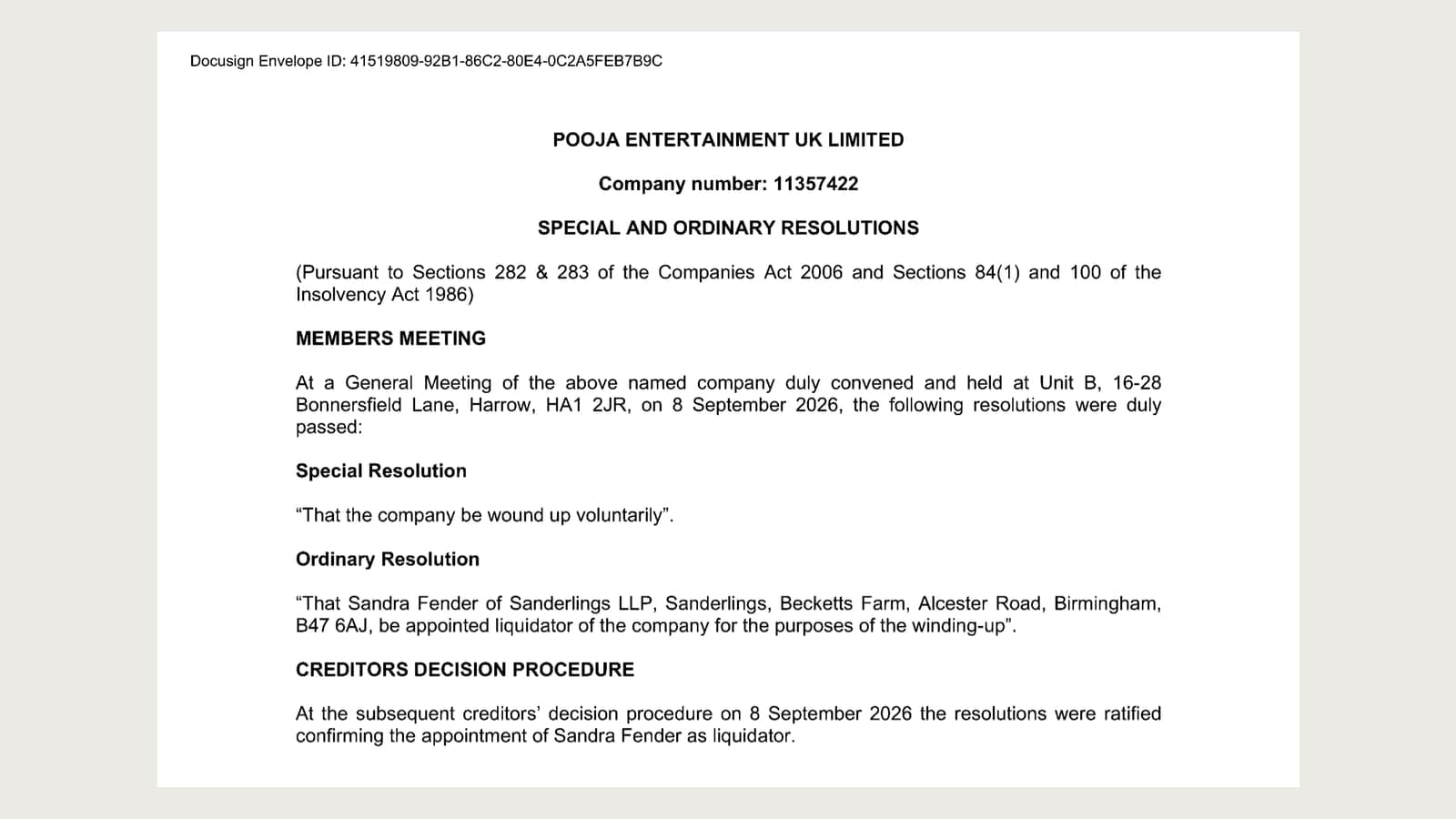
Vashu Bhagnani's UK company owes £10m, 87% of it to a UAE firm
Pooja Entertainment UK Limited's statement of affairs, filed on 17 September, puts its debts at £10,085,267.92. A single creditor in the United Arab Emirates accounts for £8,752,652.35 of it.
Aegon's Conquest is Game of Thrones' 12th spin-off. Two have aired
HBO and Warner Bros have put at least twelve Game of Thrones projects into development since May 2017. House of the Dragon and A Knight of the Seven Kingdoms reached a screen. The twelfth, Aegon's Conquest, is now a film dated for 1 June 2029.
Paramount's 470m Warner warrants strike 17% above its share price
Paramount Skydance will distribute about 470 million warrants with a floor exercise price of $12.00. Its shares closed at $10.28 on Monday. The same filing says the timing of the Warner Bros. Discovery merger, 'if any', is not yet certain.