Jafar Panahi's sentences now total 12 years. He has served ten months
A five-year term uncovered when Tehran froze his bank accounts has pushed an international protest letter towards 1,400 signatures, Martin Scorsese and Juliette Binoche among them.
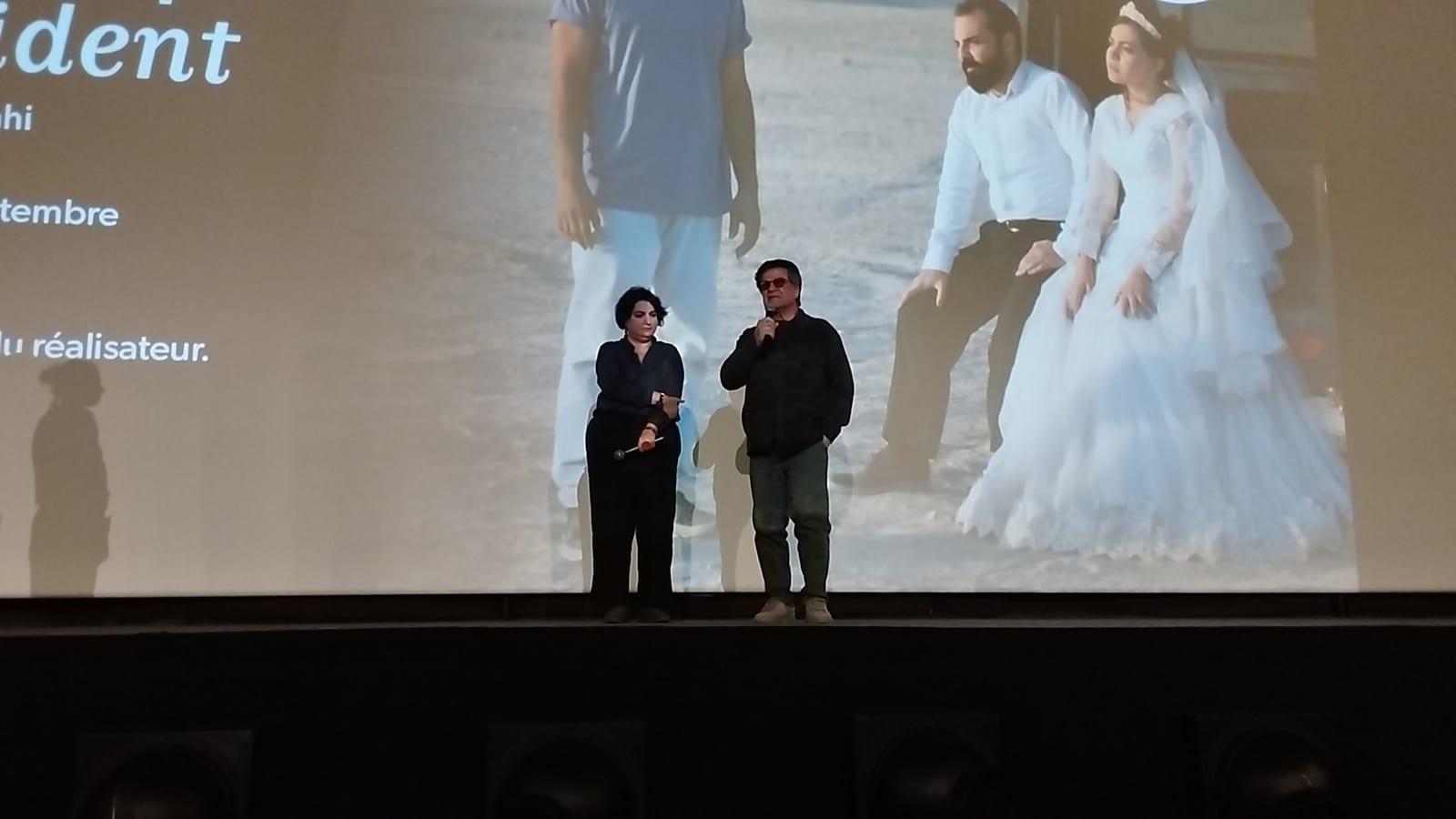
Add up what Iran's Revolutionary Court has handed Jafar Panahi since 2010 and you get 12 years and one month of prison: six years in December 2010, one year last December, and five years and one month in a ruling that surfaced at the end of October. Now add up the time he has actually served. It comes to about ten months, 85 days of it in 2010 and almost seven months of it across 2022 and 2023. No working director carries numbers like these.
The newest figure is why the industry spent this week signing things. An open letter coordinated by the International Coalition for Filmmakers at Risk was approaching 1,400 signatures on Friday, Screen Daily reported, after Martin Scorsese, Juliette Binoche, Agnieszka Holland, Walter Salles, Julie Delpy and the producer Christine Vachon added their names, alongside the heads of the Venice, Berlin, Locarno and Rotterdam festivals and the European Film Academy. The letter asks Tehran's Revolutionary Court to rescind the measures against Panahi and to hold Iran to its obligations under the International Covenant on Civil and Political Rights, and says his films have "bridged critical gaps in understanding between the world and the Iranian people". The first wave of signatories, Tilda Swinton, Mark Ruffalo and Barry Jenkins among them, numbered more than 200, per IndieWire. The Cannes Film Festival put out a condemnation of its own earlier in the week.
A sentence he found out about at the bank
Panahi, 66, learned of his latest conviction the way most people learn their card has been cloned. His bank accounts were frozen in October; when he went to the prosecutor's office to ask why, he was told a Revolutionary Court had sentenced him in absentia to five years and one month, ordered his assets confiscated, and banned him from travel and social media for two years, The Hollywood Reporter and Variety reported. His lawyer, Mostafa Nili, said the court file listed his client as being outside Iran. Panahi had flown home to Tehran on 30 March. The charges remain unpublished. The 1,400 are protesting a sentence whose legal basis nobody outside the court has seen.
The ruling does not stand alone. A Tehran court sentenced Panahi in absentia to a year in prison for "propaganda against the system" in December 2025, seven months after he won the Palme d'Or, Variety reported at the time, and his appeal was heard on 4 January, per Deadline. The coalition's statement says that term was upheld in June. He was not arrested then either.
Sixteen years, laid end to end
The timeline is worth assembling, because no single ruling tells you what the pattern does.
Iran arrested Panahi at his home on 1 March 2010 and held him for 85 days, most of them in Evin prison, before releasing him on bail. That December a court gave him six years and a 20-year ban on making films, writing screenplays, giving interviews and leaving the country.
The ban produced six features. This Is Not a Film reached Cannes in 2011 on a flash drive hidden inside a cake. Taxi won Berlin's Golden Bear in 2015, and his niece collected the award because he could not travel. 3 Faces took the Cannes screenplay prize in 2018. No Bears won Venice's Special Jury Prize in September 2022 while its director sat in Evin, jailed that July after he went to the prosecutor's office to ask about the detained filmmaker Mohammad Rasoulof and was ordered to serve the 2010 sentence instead. He began a hunger strike on 1 February 2023 and was out on bail two days later; Iran's Supreme Court had already thrown out the 2010 conviction and ordered a retrial.
In May 2025 It Was Just an Accident, shot in secret, won the Palme d'Or, with Panahi on the Croisette in person for the first time in 15 years. The win made him the fourth director to take the top prize at Cannes, Venice and Berlin. The other three are Henri-Georges Clouzot, Michelangelo Antonioni and Robert Altman. In December, while he was abroad with the film, came the one-year sentence. In March the film took two Oscar nominations and lost best international feature to Norway's Sentimental Value on the 15th; France, which had submitted it, has since chosen its next entry. On 30 March, Panahi flew home to Tehran regardless. Seven months later his bank card stopped working.
What Iran is running here is not a justice system with a backlog. A court that sentences a man three times in 16 years while confining him for ten months of it is not trying to imprison him so much as to price his work, and each new film has been invoiced accordingly. The confiscation order and the frozen accounts make the invoice literal.
The five-year ruling can be appealed at a regional court, and Nili has said the defence will contest it. The coalition's letter remains open for signatures, and the calendar gives the protest its stages: the international feature race Panahi lost in March is already filling for 2027, and the festivals whose directors signed on Friday reconvene with Rotterdam and Berlin in the new year.
Reporting this piece draws on
- Screen Daily Martin Scorsese, Juliette Binoche, Agnieszka Holland join international outcry over Jafar Panahi prison sentence
- Variety Jafar Panahi Now Faces a Five-Year Prison Term in New Ruling on Top of His Previous One-Year Conviction
- The Hollywood Reporter Jafar Panahi Facing Five Years' Imprisonment in Iran After Being Sentenced in Absentia
- Euronews Palme d'Or-winning Iranian director Jafar Panahi facing five-year prison term in new ruling
- Variety Cannes Winner Jafar Panahi Sentenced to a Year in Prison in Iran in Absentia, Lawyer Says
- Deadline Jafar Panahi's Appeal Against One Year Prison Sentence In Iran Set For January 4
- IndieWire Tilda Swinton, Mark Ruffalo, Jacques Audiard, and Others Join in Protest of Jafar Panahi's Prison Sentence
The writer
Nell Fairweather — The lead news file and the weekly column: studio decisions, the numbers underneath them, and what they cost the people who have to live with them.
More from News
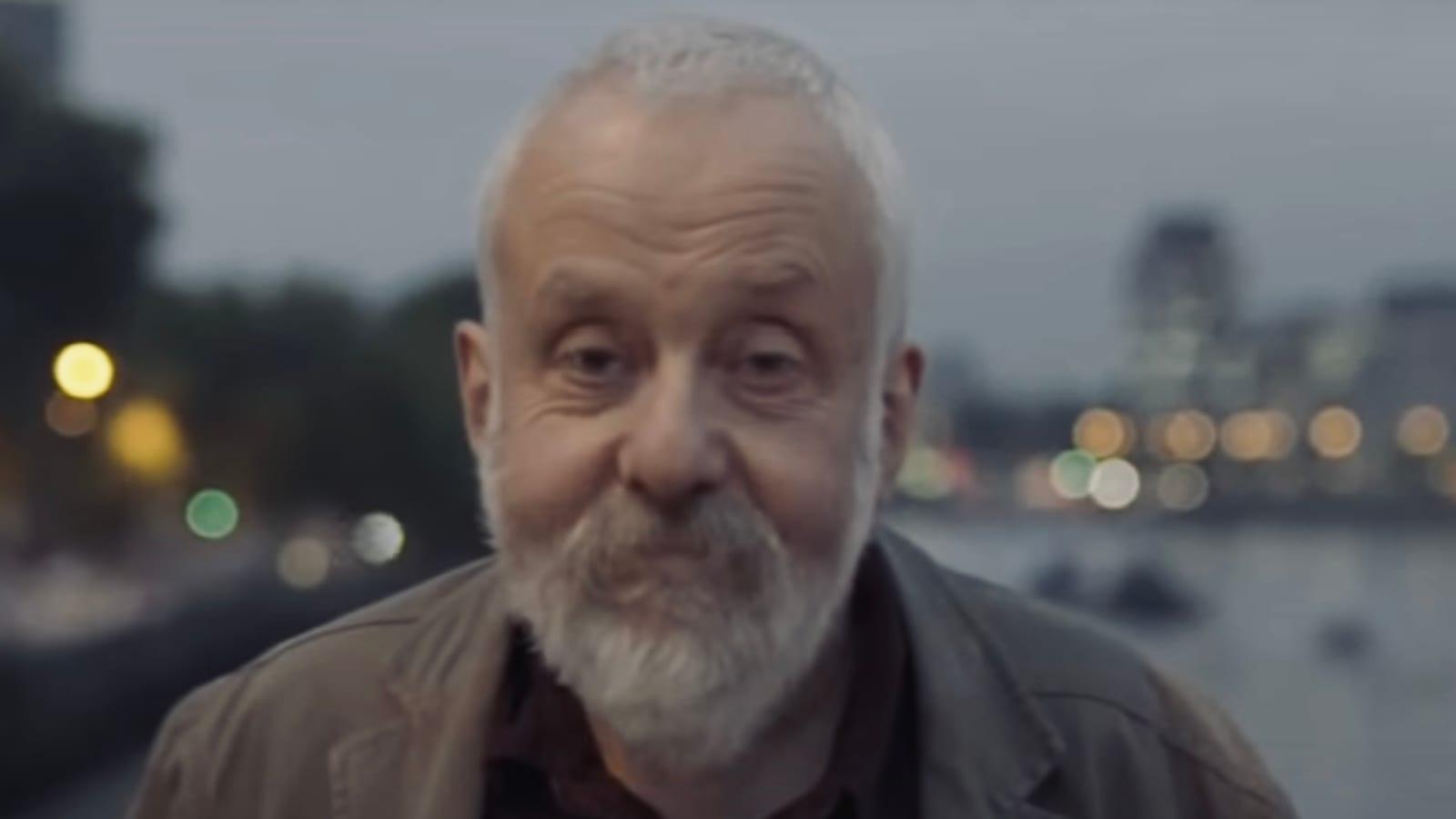
Mike Leigh says Tender Loving Care will very likely be his final film
Mike Leigh has said that Tender Loving Care, his acclaimed new drama, will very likely be his final film. The 83-year-old British director, known for Secrets & Lies and Mr. Turner, has drawn some of the strongest reviews of his career for the gentle story about two social workers and an ageing couple. It opens in US cinemas in December through Bleecker Street.
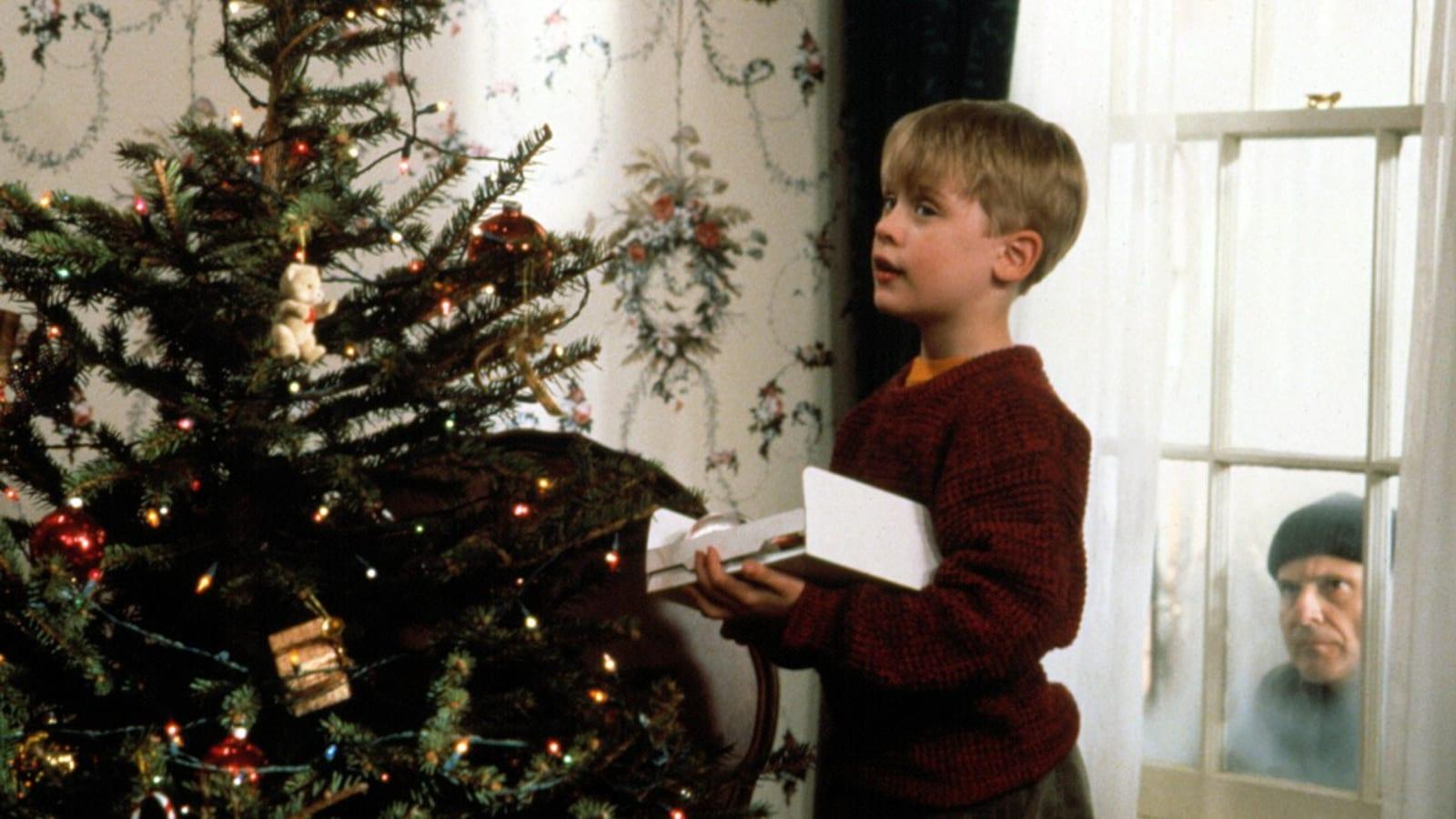
Macaulay Culkin pitched the new Home Alone on stage a year ago
Disney is developing a new Home Alone with Macaulay Culkin, Seth Rogen and Evan Goldberg, 34 years to the day after Home Alone 2 opened. The premise is the one Culkin has been performing on his stage tour since late 2025: Kevin locked out, his son building the traps.

Nancy Meyers is back, with Jude Law and a starry cast, after a decade away
Nancy Meyers is making her first film since 2015's The Intern, an untitled Warner Bros. comedy with Jude Law, Penélope Cruz and Kieran Culkin in final talks and Emma Mackey and Owen Wilson also set to star. Out on Christmas Day 2027, it marks the return of a director who helped define the modern romantic comedy.