How peer-to-peer camera and crew hire works for UK filmmakers
With 45 per cent of drama crew out of work in early 2025, platforms like Hygglo and Picturental let filmmakers rent kit, and sometimes crew, directly from each other.
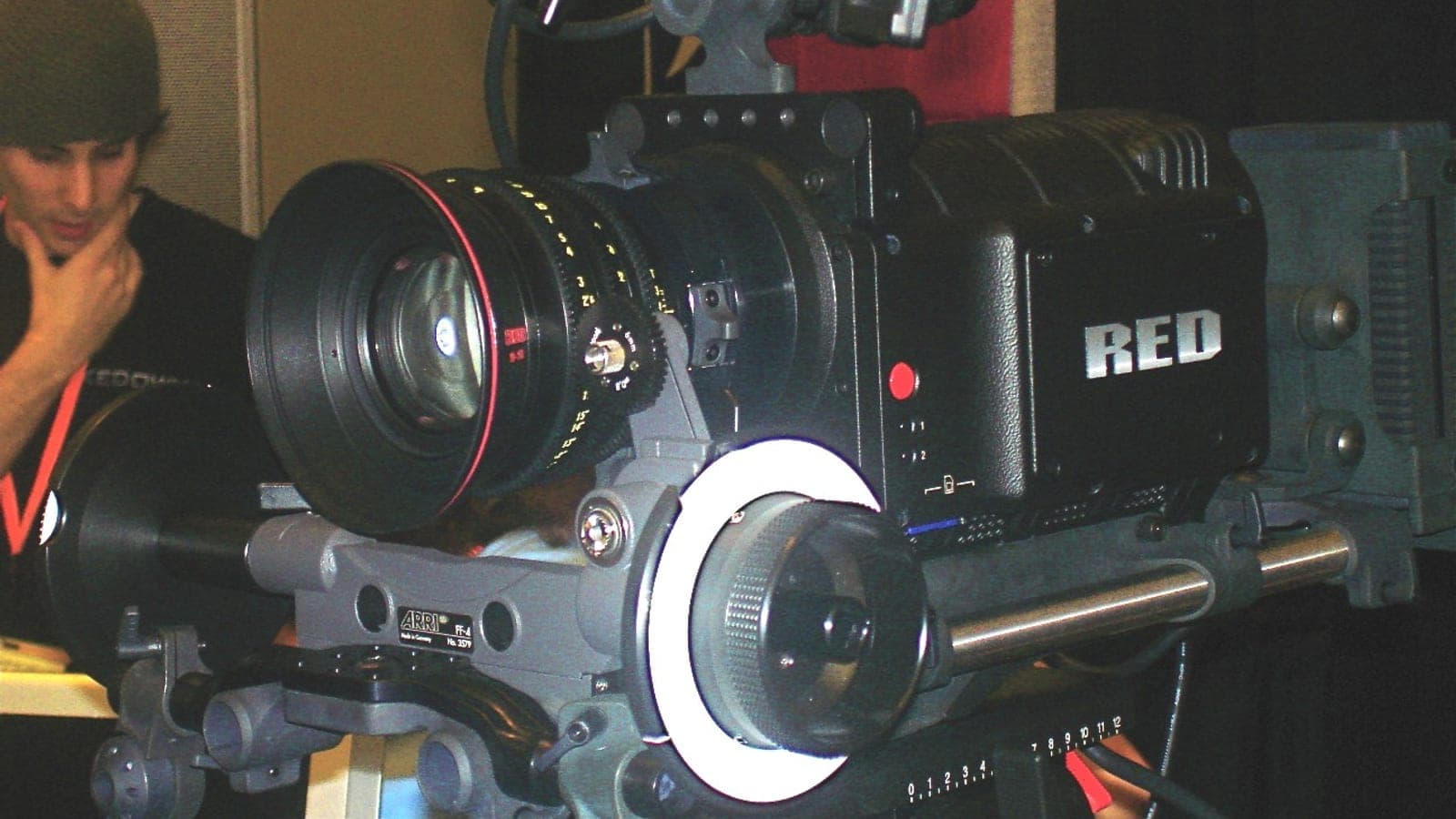
Disclosure: Magzinez and Picturental, one of the platforms described in this piece, have the same owner.
The UK spent £6.8 billion making films and high-end television in 2025, the third-highest total on record, according to BFI figures published in February. Very little of it reached the smallest productions. Domestic UK features accounted for £193 million, spread across 96 films.
The people who crew those films felt the gap. In Bectu's survey of more than 3,600 TV workers, published last August, 45 per cent of drama crew said they had been out of work in March 2025, and 68 per cent said they were struggling financially.
Money that tight changes how kit gets found.
Why peer-to-peer hire exists
A traditional rental house sells more than a camera. It sells maintained kit, a counter to take it back to and a relationship built over years of jobs. What it cannot offer is the body sitting unused in another operator's flat three streets from your location.
Peer-to-peer platforms are built around that second camera. Owners list their own equipment, renters book it directly, and the platform takes a cut in exchange for handling payment, identity checks and some form of damage protection. For an owner it turns idle kit into income. For a renter on a micro-budget it can be the difference between shooting on the lens they wanted and the one they could afford.
The main UK options
The biggest general marketplace is Hygglo. The company was founded in Stockholm in 2016, bought London's Fat Llama in 2022 and has since moved that business under its own brand, according to its own history. Cameras sit alongside tools, outdoor gear and electronics. Listing is free, and rentals come with what it calls the Hygglo Guarantee.
Picturental is narrower and newer. It is a London-based marketplace for film and photo equipment only, and it runs two systems side by side. Standard bookings work like a hire request: the renter asks for dates, pays only once the owner approves, and owes nothing if the owner declines or ignores the request for 48 hours.
The second system, Instant Match, is openly modelled on Uber. A renter posts what they need, with a postcode and a budget, and the five closest providers who are online within 30km get an alert with a 60-second timer. The first to accept gets the job. The card is authorised at that point and charged only once the kit comes back. Picturental keeps a 12 per cent fee on bookings, with a minimum of £1 a day, and says Instant Match providers receive 85 per cent of the budget.
The part worth watching is crew. Instant Match also takes requests for people, listing cinematographers, camera operators, gaffers and sound recordists alongside the kit, and freelancers switch themselves online when they are free. An on-demand job alert is not a career, and nobody should pretend it replaces a proper contract. For a crew member in those Bectu numbers, though, a day's work found at an hour's notice is still a day's work.
What to check before you rent from a stranger
The model only works if both sides are protected, and the protections vary more than the marketing suggests.
- Protection is not always insurance. Platform guarantees and cover schemes have limits and exclusions. Picturental states in its terms that its Picturental Protect cover is not an insurance policy, and anyone lending expensive kit should keep their own insurance in place whichever platform they use.
- Identity checks. Look for verified profiles. Picturental requires a verified ID for any booking of £150 a day or more, or £400 in total.
- A record of the handover. Photos at pickup and return settle most disputes before they start. Picturental uses one-time handover codes and a timestamped pickup photo for this.
- Pay on the platform. A request to pay by bank transfer or in cash removes every protection above, however friendly the person asking.
Where the details live
Both companies publish their terms, and they are worth reading before the first booking rather than after the first scratch. Picturental has set out its bookings, fees and Instant Match rules in a guide on its own site, and Hygglo describes its guarantee on its UK site. The BFI's next production statistics will show whether the money at the top of the industry is starting to reach the people renting kit at the bottom.
Reporting this piece draws on
The writer
Marcus Dey — Deals, development and the people who move between them, written for readers who want to know why a project exists at all.
More from News
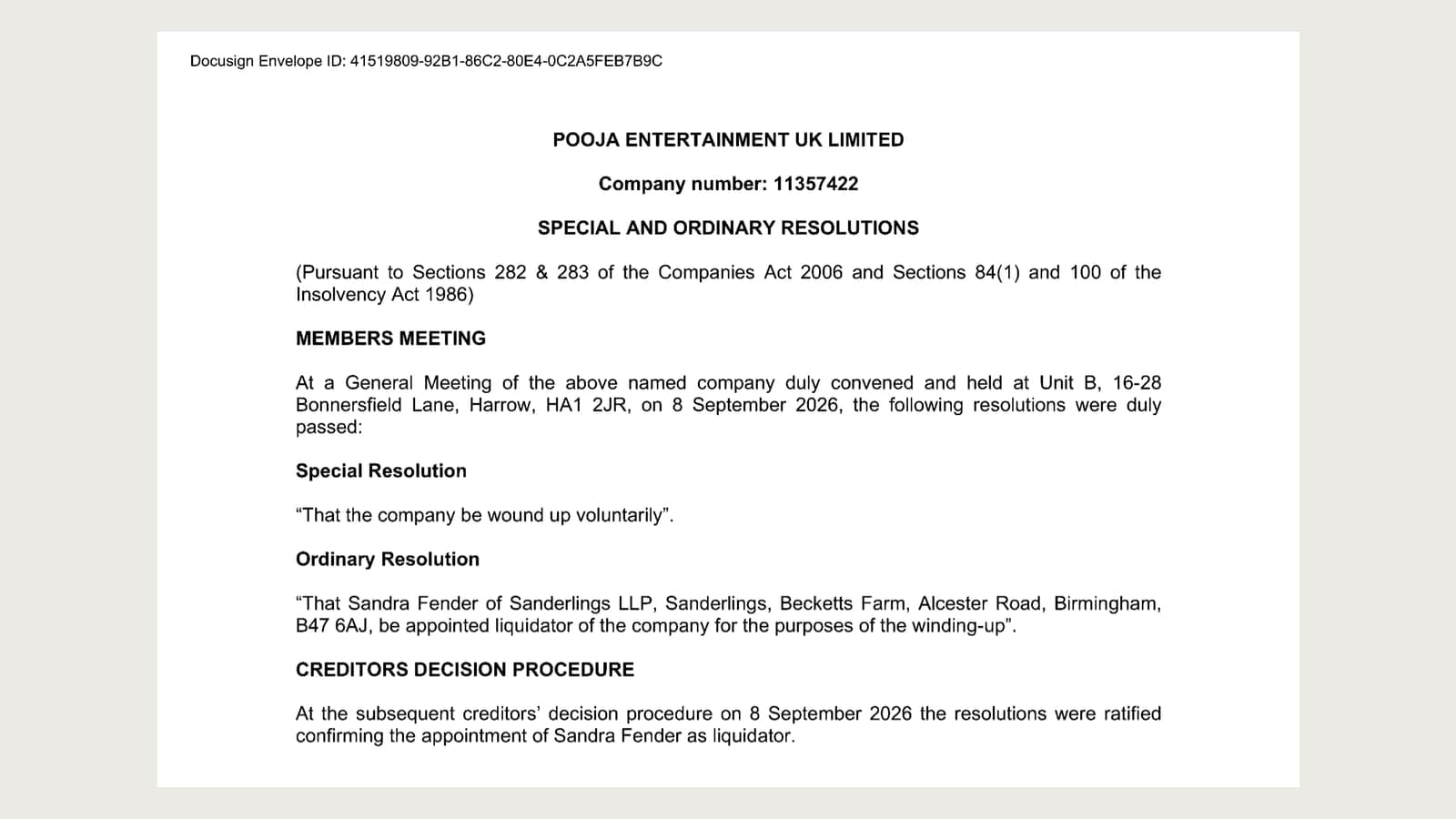
Vashu Bhagnani's UK company owes £10m, 87% of it to a UAE firm
Pooja Entertainment UK Limited's statement of affairs, filed on 17 September, puts its debts at £10,085,267.92. A single creditor in the United Arab Emirates accounts for £8,752,652.35 of it.
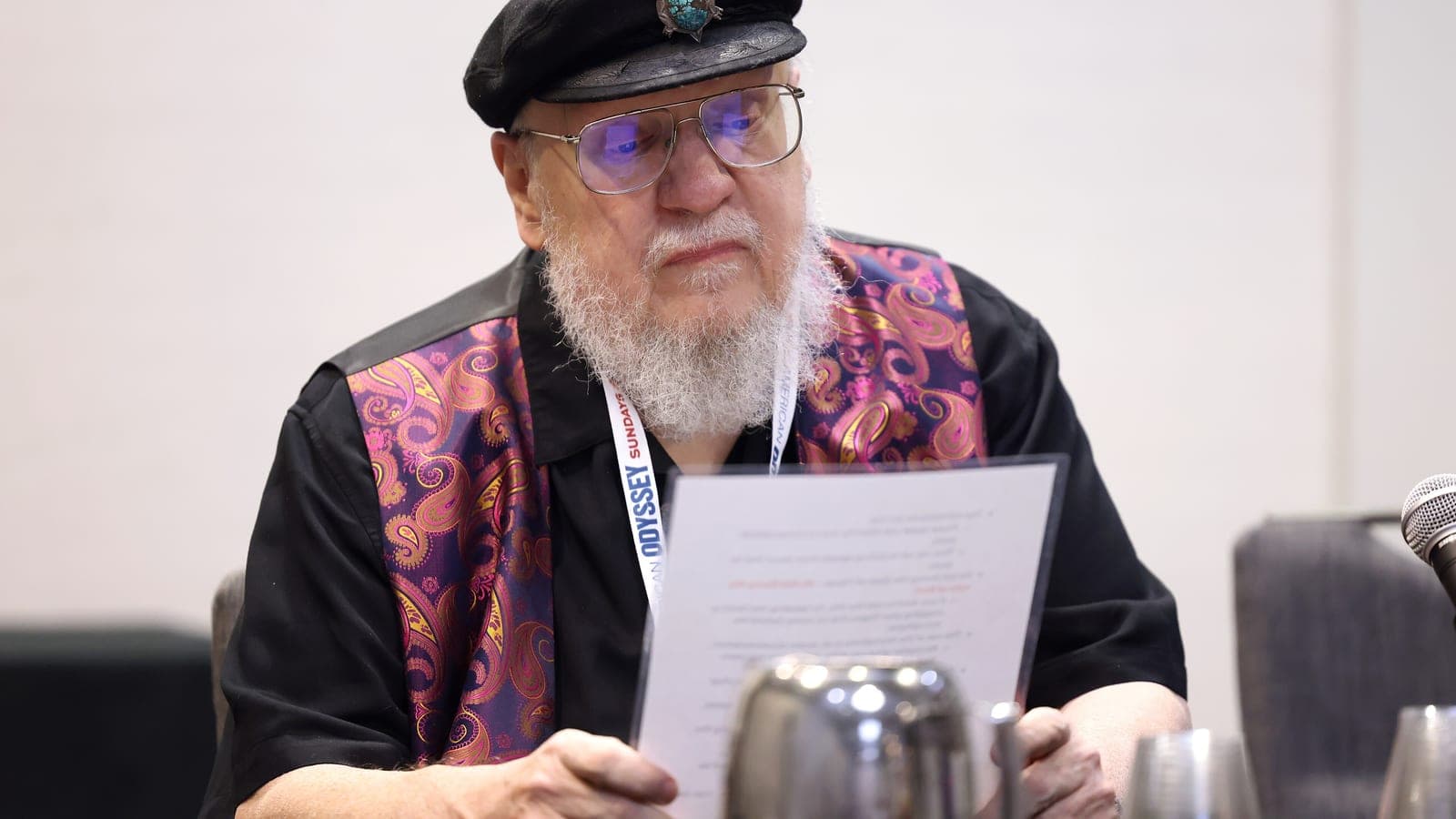
Aegon's Conquest is Game of Thrones' 12th spin-off. Two have aired
HBO and Warner Bros have put at least twelve Game of Thrones projects into development since May 2017. House of the Dragon and A Knight of the Seven Kingdoms reached a screen. The twelfth, Aegon's Conquest, is now a film dated for 1 June 2029.

Paramount's 470m Warner warrants strike 17% above its share price
Paramount Skydance will distribute about 470 million warrants with a floor exercise price of $12.00. Its shares closed at $10.28 on Monday. The same filing says the timing of the Warner Bros. Discovery merger, 'if any', is not yet certain.