Schiff says federal film tax credit close, but Trump is the risk
Bill language exists and negotiations are under way, but there is no bill number, no score and no vehicle, and 20% still trails Hungary and the UK.
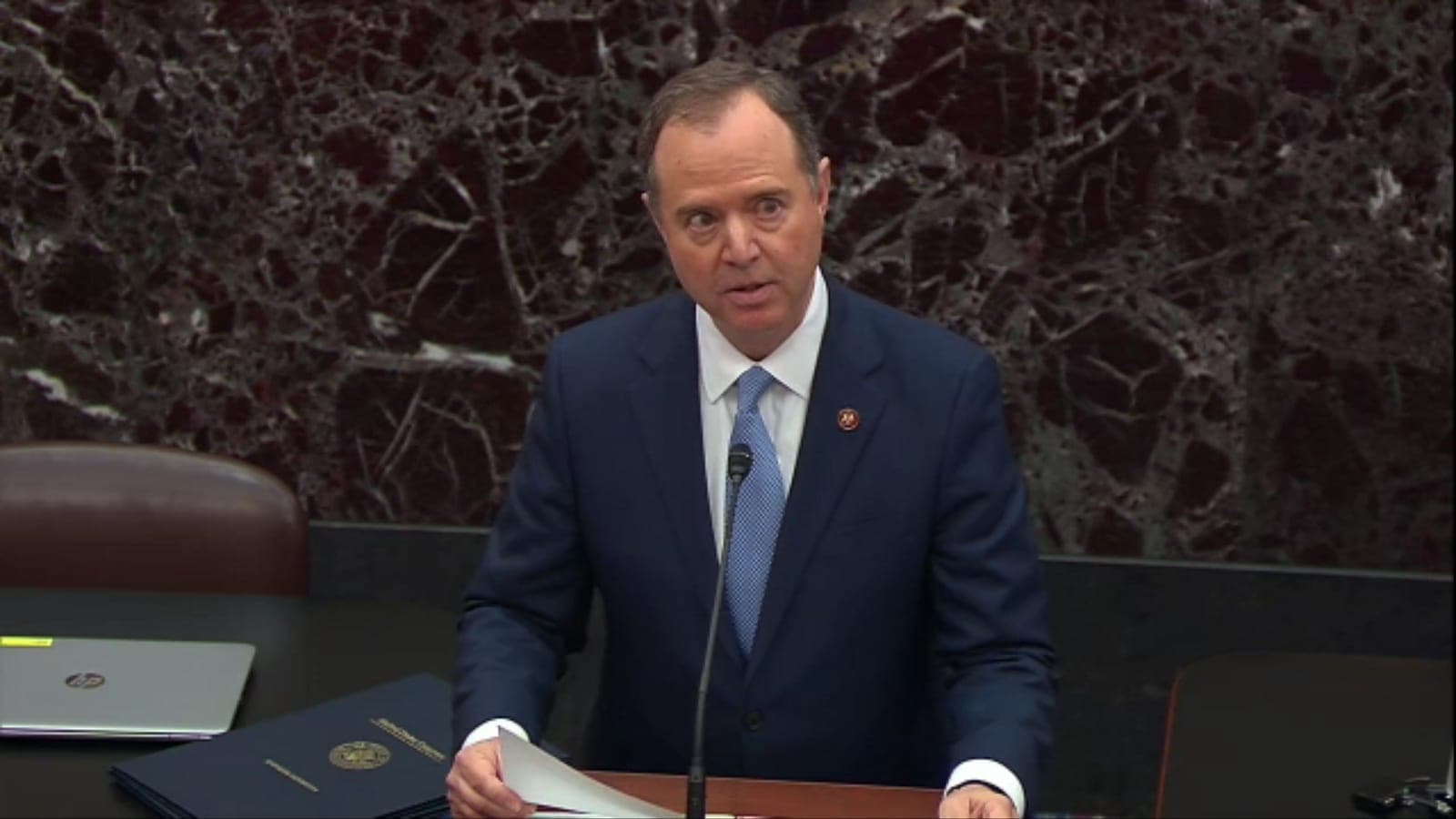
On Wednesday a spokesperson for Senator Adam Schiff (D-CA) told Deadline that bill language now exists for a federal film and television production incentive, and that "leaders in the Senate, House, and Trump administration are engaging in conversations to finalize text". Negotiations, the spokesperson said, are ongoing. What does not exist, on anybody's record: a bill number, a sponsor list, a committee referral, a Joint Committee on Taxation score, or a named legislative vehicle.
The talks follow Donald Trump's Truth Social post of Monday 31 August, published after a sit-down with Jon Voight, his special ambassador to Hollywood, urging Congress to "immediately craft Legislation to save the Movie, Television, and Entertainment Business in America". Schiff, who led Trump's first impeachment in 2019, endorsed the idea on X within hours: "I am in strong agreement with the President." Deadline described the alignment as "a dramatic turn of events in just the last few days", and most of the coverage since has treated the odd-couple pairing as the reason to believe this one gets over the line.
It is worth reading the same fact the other way round. An incentive that exists because the President is currently keen on it is the most fragile kind of legislation there is, because that keenness is a chip he can spend in any unrelated negotiation, on immigration, on appropriations, on anything at all, and the film industry has nothing to put on the table in exchange. Studios cannot offer votes. Unions cannot offer a tax cut somewhere else. All Hollywood can do is agree loudly and hope the subject does not come up again.
"This is the best opportunity now we've had to get this done in really decades." Schiff, on CNN, quoted by Deadline
The tariff that never arrived
There is a documented precedent for presidential enthusiasm on runaway production, and the wires have been reluctant to reach for it. In early May 2025, Trump announced he was "authorizing the Department of Commerce, and the United States Trade Representative, to immediately begin the process of instituting a 100% Tariff" on films produced in foreign lands. The Hollywood Reporter reported the same day that the White House had clarified no final decisions had been made. By 14 May, at Cannes, THR was already asking what had become of it.
On 29 September 2025 he revived the threat, upgrading the verb from "authorizing" to "I will be imposing". No order was signed. Deadline said so at the time, and TheWrap reported that no enforceable legislation ever came of the first attempt. Variety's legal read was the load-bearing detail: the emergency economic powers statute Trump has used for most second-term tariffs carries the Berman amendments, which expressly bar its use to regulate imports of films, music, artwork and news, the same "informational materials" ground on which the August 2020 attempt to ban TikTok was enjoined. By 27 January 2026 Deadline had him still wanting tariffs and now floating low-interest bonds for Hollywood films.
Sixteen months, three announcements, two mechanisms, no executive order, no statute. That is the track record this initiative is being measured against, and it is why "the President supports it" is a weaker guarantee than it sounds.
Why 20% may not move a single production
Deadline reports, on its own, that the working design is a 20% credit with a further 5% to 10% for rural areas or productions spread across several states, stackable on top of existing state programmes, under a bill Deadline says Trump named the Motion Picture, Television, and Entertainment Revitalization Act. The rate is not settled. Variety reported Schiff's earlier draft at 15% on US labour costs, with the Motion Picture Association and Voight pushing 20%; Deadline wrote on 31 August that the "general consensus" was nearer 25%.
Now the comparison. Hungary pays a 30% cash rebate, extendable to 37.5% of eligible spend by folding in 7.5% of non-Hungarian costs, on production expenditure rather than labour alone, and it lifted the cap on new registrations in July 2026 specifically to restore predictability for the sort of production that shot Dune, The Brutalist and F1: The Movie there. Britain is not far behind. The UK's headline 34% expenditure credit lands at 25.5% net, rising to 39.75% net for indies with core spend under £15m, with a 29.25% net rate on qualifying visual effects. Australia lifted its Location Offset from 16.5% to 30% in July 2024, and Screen Australia recorded a record A$1.93bn across 174 titles in 2024/25, up 14% year on year.
A 20% federal credit does not obviously beat any of that, and nobody has yet confirmed whether it is refundable, transferable, or applied to all qualified spend. Meanwhile California, whose own programme is worth $750m a year, is fighting over whether companies can use the credits they already hold: Governor Gavin Newsom's May proposal would cap corporate credit usage at 50% of liability or $5m, and an industry and labour coalition letter dated 8 June 2026 called that "a direct and immediate threat to tens of thousands of middle-class jobs", per Variety. Stacking a federal credit on a state credit a studio cannot monetise is worth less than the arithmetic suggests.
The opposition has already found its frame. The Wall Street Journal editorial board ran "Handouts for Hollywood, Really?", arguing a production credit "would provide a short-term stimulus for one industry, which primarily supports Democrats". Deadline lists Representatives Nathaniel Moran (R-TX) and Brian Jack (R-GA) as in the mix while stating the degree of Republican participation is unclear, and no Senate Finance or House Ways and Means Republican leader has said anything on the record. That absence is the story.
Congress returns the week of 14 September, when Schiff's office expects a status announcement; Deadline reports a bill could be introduced this month.
Reporting this piece draws on
- Deadline Federal Film Tax Incentive Faces 5 Major Hurdles Before Passage, Including Trump
- Deadline Federal Film & TV Tax Credits Not A Done Deal But Close, Adam Schiff Says
- Deadline Trump Doubles Down On Federal Film/TV Tax Incentive Amid Hollywood Unions Praise
- Deadline Trump Backs Federal Film & TV Tax Incentive: "Hollywood Is A Complete & Total Disaster!"
- Variety Trump Endorses U.S. Tax Incentive to Keep Hollywood Production
- Variety Adam Schiff Touts Federal Film Incentive to Counter Hollywood Job Losses: 'It Needs to Be Bipartisan'
- Variety Hollywood Warns Against Sabotaging California Film Incentives, Seeks Exemption From Credit Limit
- Deadline Donald Trump Says He's Pursuing 100% Tariffs On Movies Produced Outside U.S.
- The Hollywood Reporter Trump's 100 Percent Tariff on Movies: 8 Key Questions the Industry Is Now Pondering and Dreading
- The Hollywood Reporter White House Clarifies Trump Movie Tariff, Says No Final Decisions Made
- The Hollywood Reporter What Ever Happened to Trump's Tariffs?
- Variety Donald Trump Renews Threat of 100% Tariff on Films Made Outside the U.S.
- Variety Trump's 100% Movie Tariff Still Faces 3 Major Obstacles
- Deadline Trump Again Promises "100% Tariff" On Movies Made Outside America, Attacks "Weak" Gavin Newsom In Truth Social Tirade
- TheWrap Trump Doubles Down on 100% Tariff Plan for Movies Made Outside the US
- Deadline Donald Trump Still Wants Tariffs On Films Made Outside U.S., Says He Plans Low-Interest Bonds For Hollywood Movies
- Variety Hungary, Location for 'F1: The Movie,' 'Dune,' 'The Brutalist,' Removes Break on New Registrations for Production Incentive
- Screen Daily Hungary removes cap on production incentive to end uncertainty for international producers
- Screen Daily Hungarian 30% film tax incentive extended for six more years
- Screen Daily Australia raises location offset to 30% for international productions
- Variety Boost in Animation, VFX and Location Shoots Down Under Fueled by Australia's Incentive Boost
- BFI About UK creative industry expenditure credits
- BFI BFI welcomes enhanced VFX tax credit for UK film and high-end television productions
- Screen Daily UK government publishes details of new expenditure credit for film and high-end TV
The writer
Marcus Dey — Deals, development and the people who move between them, written for readers who want to know why a project exists at all.
More from News
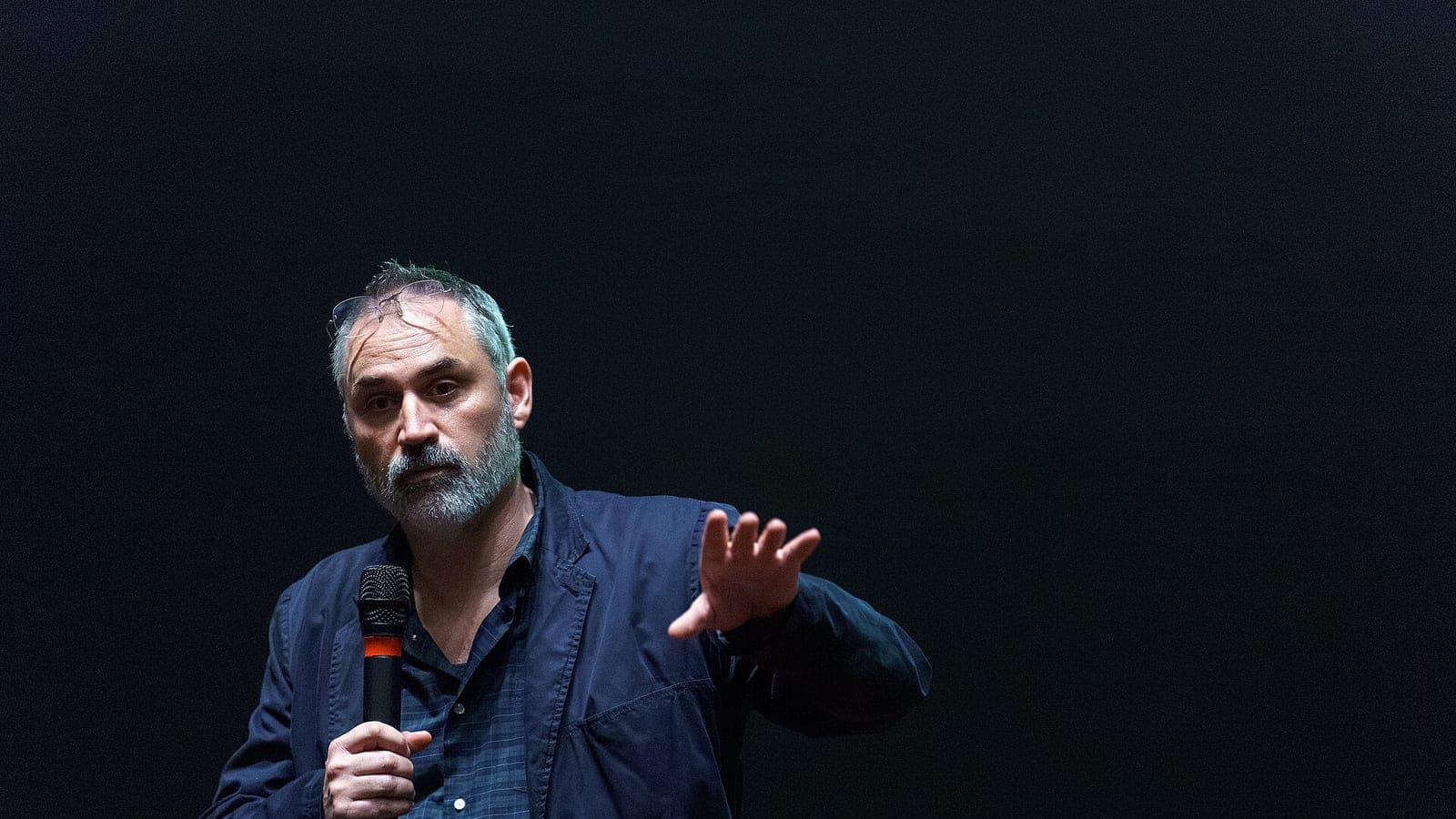
Zendaya's new Alex Garland film is his third since he quit directing
Alex Garland has announced his retirement from directing twice on the record, in 2022 and 2024. Since the second statement he has directed Warfare, taken on A24's most expensive film ever, and now signed Zendaya for an untitled sci-fi shooting in 2027.
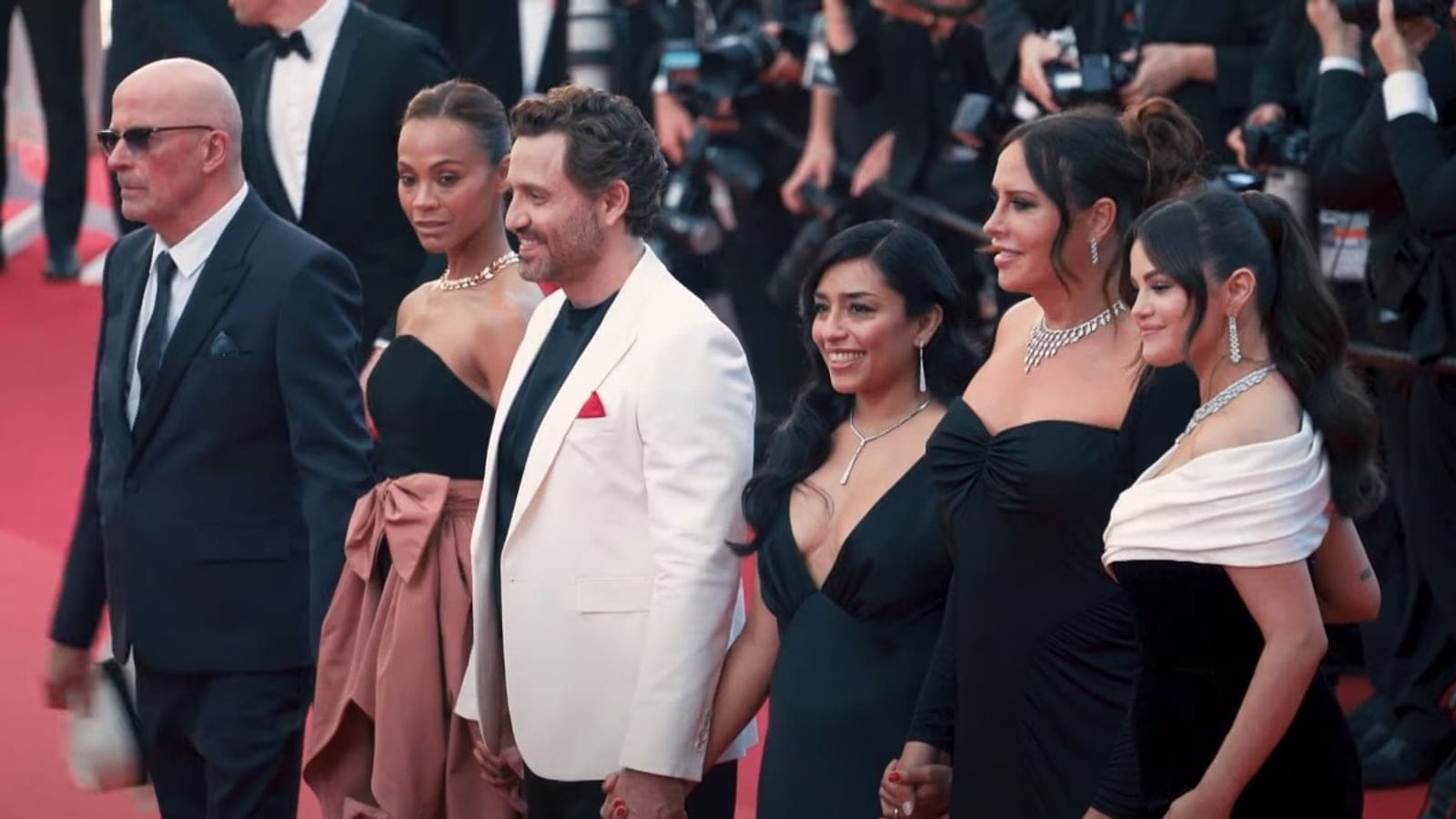
Canal+ VAT rise would cost €200m a year. Its film deal is €196m
Canal+'s July accord commits €196m a year to French and European film from 2028. The draft 2027 budget's VAT rise costs it up to €200m a year, and triggers the clause that voids the whole deal.
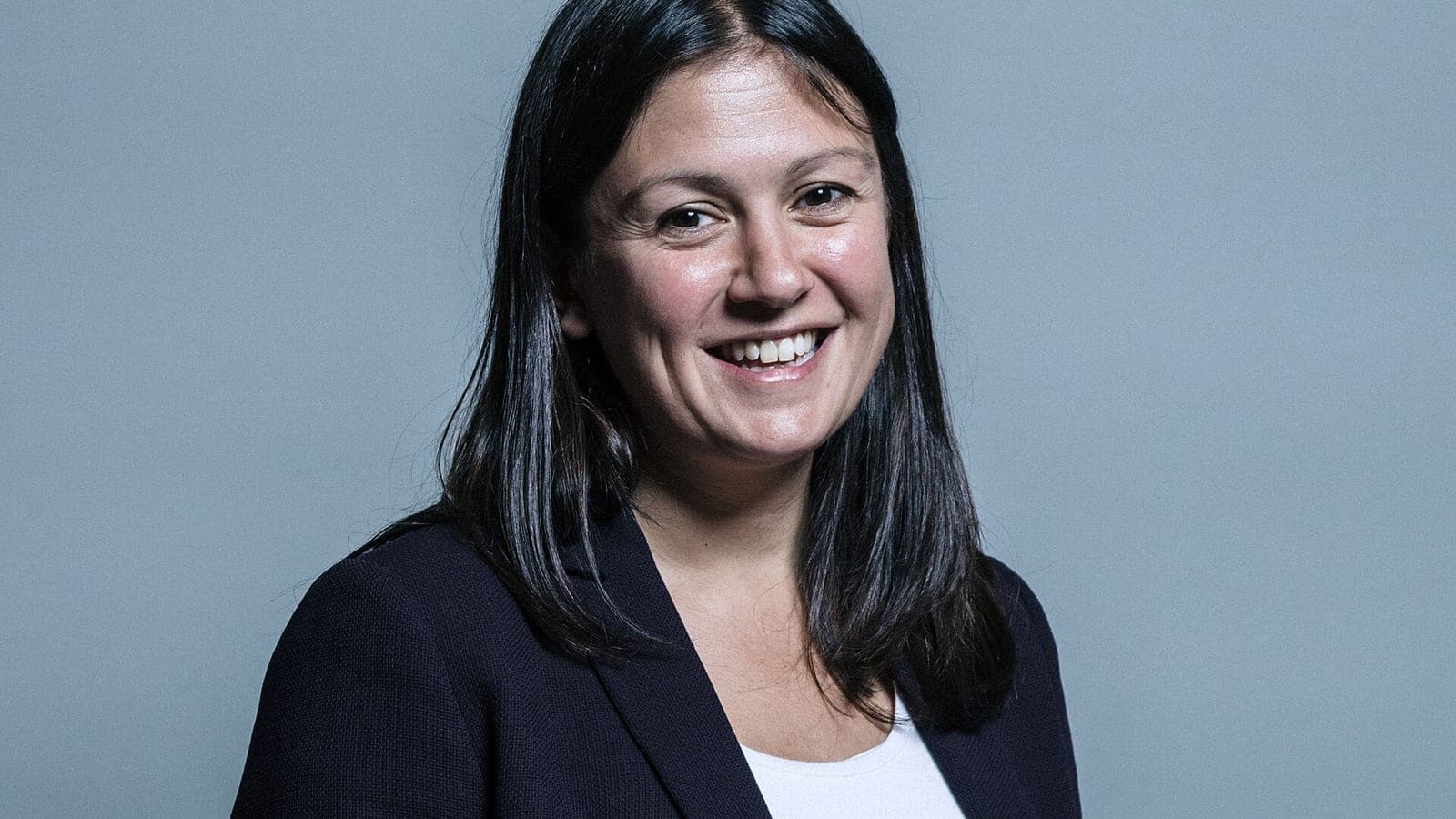
Sky's £1.6bn ITV takeover is Nandy's second media warning in 107 days
Lisa Nandy's 'minded to intervene' letter on Sky and ITV comes 107 days after the one she sent Paramount. Laid next to three earlier Sky cases, the dates show which kind of review this is likely to be.