American Idol leaves LA for Georgia, which pays less than California
Georgia gives 30 per cent on a $500,000 minimum. California's expanded credit pays 35, and in its first year it has approved exactly one competition show.
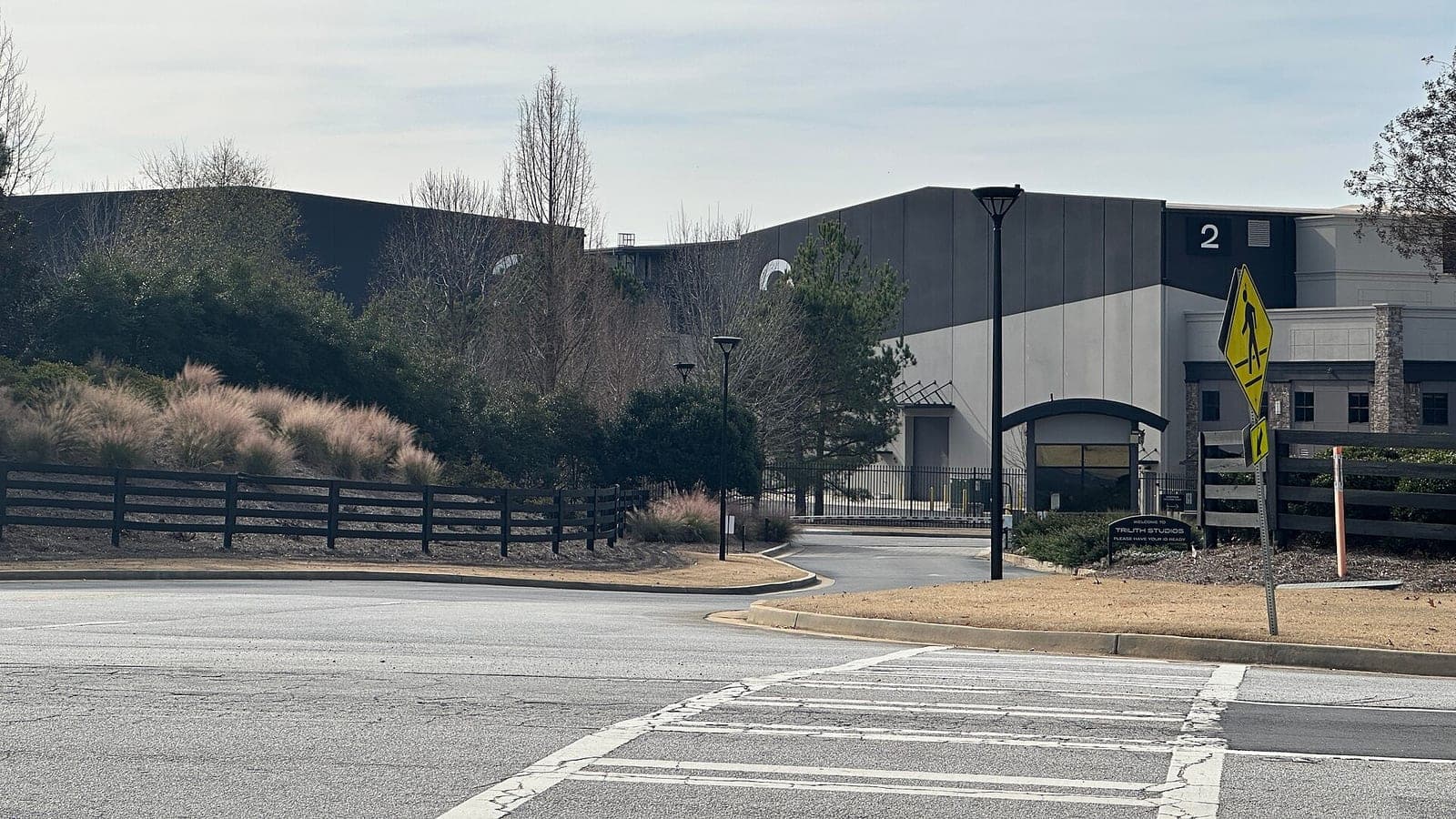
Georgia will give American Idol 30 per cent of what it spends there. California, since expanding its film and television credit this year, offers 35 per cent. The show is going to Georgia.
That ordering matters, because almost every account of this week's news has the incentive as the explanation, and on the headline rate the incentive points the other way. Fremantle is moving American Idol to the Atlanta area for its twenty-fifth season, Deadline reported on Monday, ending a run in Southern California that began in 2002. The producer is in talks with a studio complex near Atlanta and has not named one. The season is expected next year.
For a show that has been broadcast live from Los Angeles for twenty-four seasons, that is a genuine departure, and it lands on a local industry that was already thin.
What each state is actually offering
Georgia's arithmetic is the simpler of the two. The state pays a 20 per cent film tax credit, with a further 10 per cent uplift for productions that give the state promotional value, which is the logo you see at the end of a great many television programmes. The qualifying threshold is $500,000 of spending a year.
California rebuilt its own programme this year under AB 1138. The credit rose from the old 20 to 25 per cent band to as much as 35 per cent of qualified spending, and the eligible categories widened to take in animation and, for the first time, large-scale competition television, as the National Law Review set out in its reading of the bill. Competition programmes have to run at least twenty minutes and carry a budget above $1m an episode.
So the state that lost the show pays five points more than the state that won it. Whatever moved American Idol, it was not the percentage.
One competition show in a year
The expansion was designed, in part, to stop precisely this. Governor Gavin Newsom's office announced the first round including competition shows on 18 March, and the only competition series in it came from Jimmy Kimmel and the engineer Mark Rober, a Netflix programme. Sixteen projects shared that round, representing $871m of qualified in-state spending.
Six months on, the Kimmel and Rober show is still the only large-scale competition programme California has approved. American Idol is not on the list, and Fremantle has not said publicly whether it applied.
One show is not a policy failure by itself. It is a small return on a category the state went to the trouble of adding.
The number underneath all of this
FilmLA's second-quarter report put on-location production across greater Los Angeles at 4,711 shoot days, down 12.7 per cent year on year. Reality television accounted for 676 of those days, a fall of 40 per cent on the same quarter of 2025 and 62.7 per cent below the five-year average.
FilmLA does not print the average itself, but it follows from the percentage. If 676 days is 62.7 per cent below the norm, the norm is close to 1,812 days a quarter. Los Angeles is therefore running about 1,136 reality shoot days a quarter short of its own recent history, or somewhere near 4,500 a year.
Work the year-on-year figure the same way and the second quarter of 2025 comes out at roughly 1,127 reality shoot days, against 676 this year. That is 451 days gone in twelve months, in one category, in one city.
Reality is now 14.3 per cent of everything filmed on location in Los Angeles. It used to be the part of the business that could not leave, because the contestants, the judges, the crews and the sound stages were all there already.
Why the rate was never the point
The gap between a 30 per cent credit that asks for $500,000 a year and a 35 per cent credit that asks for more than $1m an episode is not really about generosity. It is about who each scheme is built for.
California's thresholds describe a scripted drama: high per-episode cost, a long shoot, a big crew on payroll. That is a reasonable thing for a state to want, and the results in the same FilmLA report bear it out, with television shoot days up 34.4 per cent on the first quarter and drama up 55 per cent. The scripted half of the policy is working.
Georgia's threshold describes almost anything. A $500,000 annual floor is a rounding error for a network series, and the 10 per cent uplift costs a production nothing but a title card. The state has spent twenty years making itself the path of least resistance, and a long-running unscripted format is exactly the kind of production that takes it.
California has built a better incentive for the shows it already had a good chance of keeping. The ones it was losing want something else.
What it costs on the ground
A reality shoot day is not a glamorous unit of work, and it is the one that keeps a lot of people employed between jobs. The crews who lose it are the same people the industry has been squeezing since the strikes, a shortage of work that has pushed filmmakers towards renting kit and hiring crew directly from each other.
The wider market is not short of films. It is short of films made where they used to be made. Cinema takings have held up on the back of more releases rather than bigger ones, as the summer's $4.76bn told us, and the economics that produced the year's most profitable picture were a $750,000 budget and a wide release, not a nine-figure spend in a single postcode.
My own view is that Los Angeles is going to keep losing this category whatever the rate becomes, because a credit is a discount on a decision that has already been made somewhere else. The unscripted business moved its infrastructure to Georgia over two decades. American Idol is following the crews and the stages, and the 30 per cent is the reason it can say so politely.
FilmLA closes its third quarter on 30 September, and publishes the figures after that. American Idol will not appear in them, or in any that follow.
Reporting this piece draws on
- Deadline 'American Idol' Moving Production From LA To Georgia
- NBC Los Angeles 'American Idol' to move from Hollywood to Georgia
- Variety As 'American Idol' Leaves Los Angeles for Atlanta, More Concerns Emerge About the State of Local Production
- FilmLA California Film Tax Incentives Continue to Create Job Opportunities in Scripted Production (Q2 2026 report)
- Office of the Governor of California Governor Newsom announces next round of television tax credits, adding animated and competition shows for the first time
- The National Law Review California Expands Film and Television Tax Credit Program
- TheWrap Los Angeles On-Location Production Sinks Despite New Tax Credits, FilmLA Study Shows
The writer
Marcus Dey — Deals, development and the people who move between them, written for readers who want to know why a project exists at all.
More from News
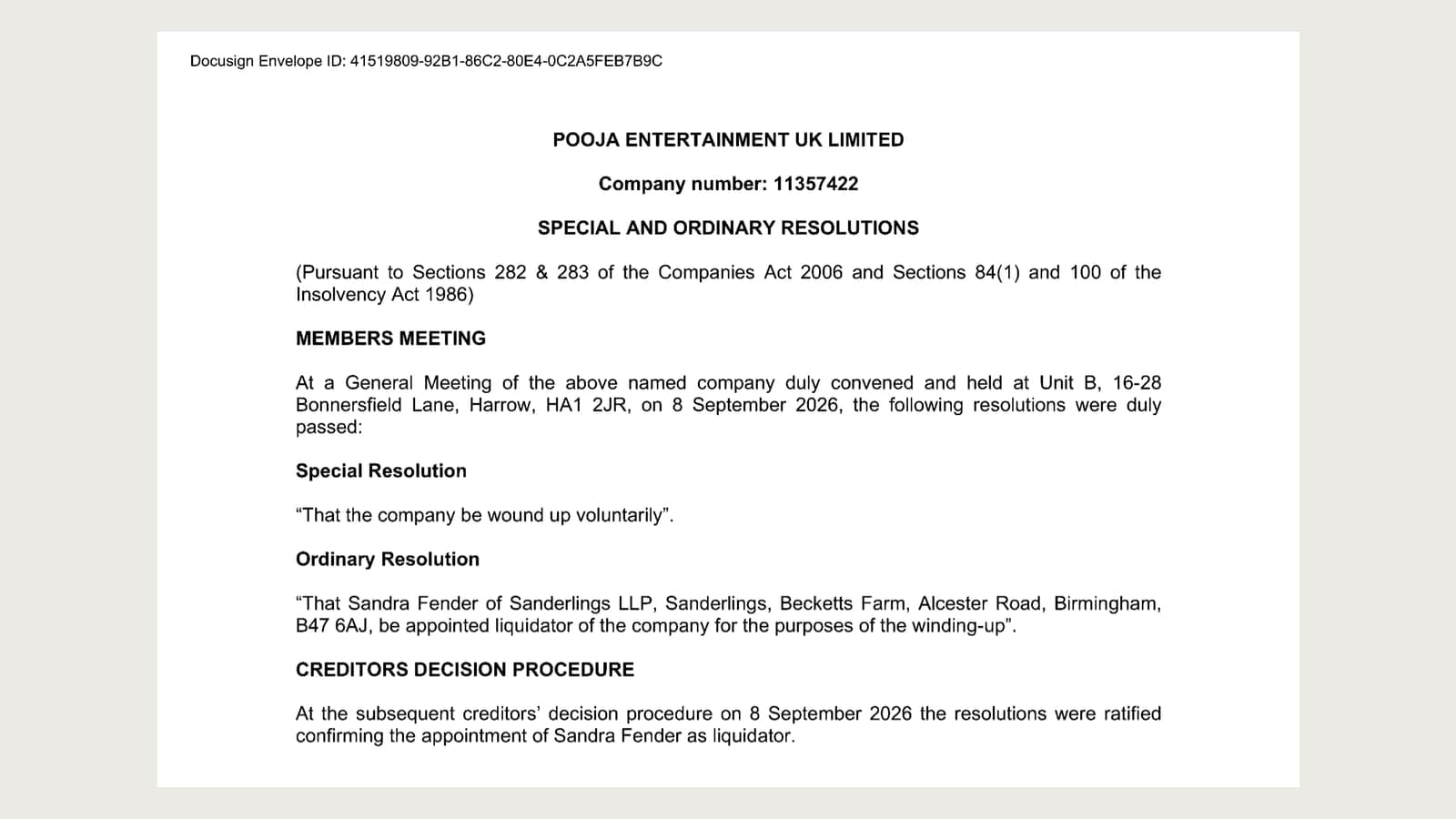
Vashu Bhagnani's UK company owes £10m, 87% of it to a UAE firm
Pooja Entertainment UK Limited's statement of affairs, filed on 17 September, puts its debts at £10,085,267.92. A single creditor in the United Arab Emirates accounts for £8,752,652.35 of it.

Aegon's Conquest is Game of Thrones' 12th spin-off. Two have aired
HBO and Warner Bros have put at least twelve Game of Thrones projects into development since May 2017. House of the Dragon and A Knight of the Seven Kingdoms reached a screen. The twelfth, Aegon's Conquest, is now a film dated for 1 June 2029.

Paramount's 470m Warner warrants strike 17% above its share price
Paramount Skydance will distribute about 470 million warrants with a floor exercise price of $12.00. Its shares closed at $10.28 on Monday. The same filing says the timing of the Warner Bros. Discovery merger, 'if any', is not yet certain.