Filmmaker Arman Khan warns his social media and WhatsApp were hacked
The filmmaker posted a notice on his verified Facebook page saying his social media, WhatsApp and email were compromised and that he had lost access to his PC, telling anyone who receives a message from him to ignore it.

The UK-based filmmaker Arman Khan has told friends and followers that his online accounts are, for now, out of his hands. In a notice posted to his verified Facebook page, Khan said that his social media accounts, WhatsApp and email had been compromised the day before, and that he had also lost access to his PC. Anyone who had received a message from him, he wrote, should ignore it.

"Hi all, since yesterday my social media accounts and WhatsApp, email have been compromised, and I don't have access to my PC," the post read. "If you've received any messages from me, please ignore them." The accounts caught up in the breach include his Facebook, Instagram, WhatsApp and email.
A public notice is the standard move once an account is taken over, and the reasoning is simple. Whoever controls a hijacked account is usually less interested in its owner than in the people who trust them. The messages that follow arrive under a familiar name and photo, which is what makes them work: a request for money dressed up as an emergency, a link to a fake login page, or a plea to forward a verification code.
For anyone in Khan's contacts, the safe approach for now is to treat any message that appears to come from him with suspicion. Fraud investigators give the same guidance every time: do not send money, do not open links, and never pass on a one-time code, however urgent the request sounds. If a message looks genuine, a quick phone call to check is worth more than a reply in the same app.
Khan did not say how the accounts were taken. There are several common routes, from a convincing phishing email to malware on a computer, the last of which would explain losing a PC and a set of logins at the same moment. Recovery runs through each service, including Meta's account tool for Facebook and Instagram and, in the UK, a report to Action Fraud. Until the accounts are back, the safest assumption for anyone who hears from them is the one Khan gave himself: ignore it.
Reporting this piece draws on
The writer
Nell Fairweather — The lead news file and the weekly column: studio decisions, the numbers underneath them, and what they cost the people who have to live with them.
More from News
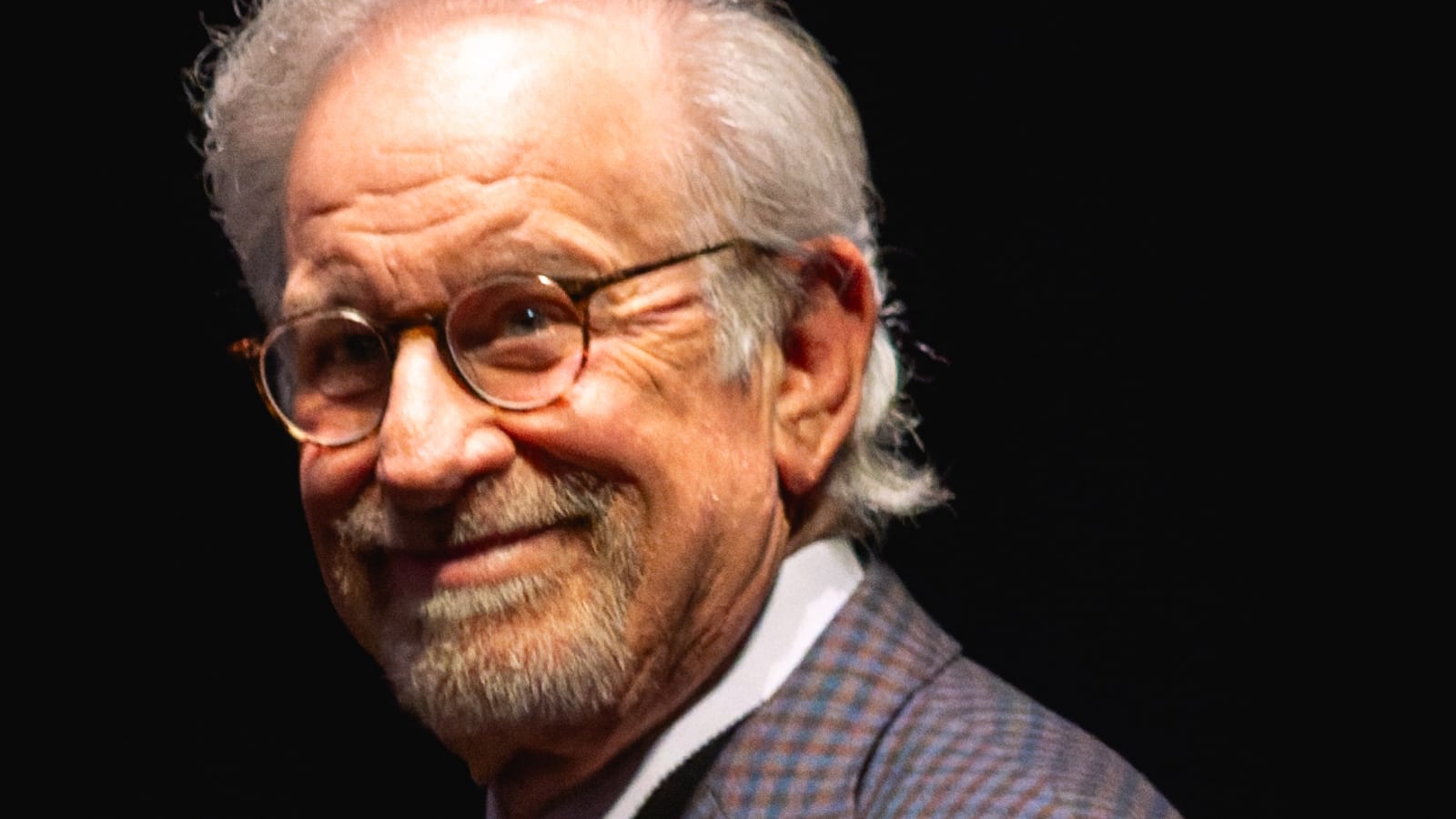
Spielberg is developing his first Western, with a hoped-for 2027 shoot
Steven Spielberg has directed across nearly every genre for more than half a century, but never a Western. That is about to change: the 79-year-old is developing an untitled Western he first teased at SXSW, and his longtime cinematographer Janusz Kaminski has indicated the plan is to shoot it in 2027. Title, cast and studio are still unknown.

The boiler room that raised $21m for a Wizard of Oz film never made
Gigapix Studios pitched itself to ordinary investors as the next Pixar, raising money for a 3-D animated Wizard of Oz film called OZ3D and an imminent stock-market float. Telemarketers took about $21m from some 730 people, many of them elderly or unwell. Less than 5 percent reached the film, which was never made. Founder Christopher Blauvelt was sentenced to eight years.
The studio boss who became 'Amanda Stevens' to fool a BlackRock fund
Aviron Pictures looked like a real mid-major studio, releasing films with Halle Berry and Matthew McConaughey. Its founder, William Sadleir, was quietly diverting the $75m a BlackRock fund had put into the company, and when BlackRock pressed for answers he impersonated a fictional executive, Amanda Stevens, to reassure it. He was jailed for six years.