The boiler room that raised $21m for a Wizard of Oz film never made
Gigapix Studios told ordinary investors it was the next Pixar, with a 3-D Wizard of Oz film and an imminent stock-market float. Telemarketers took $21m from around 730 people. Less than 5 percent reached the film, which was never made, and the founder was jailed for eight years.

The pitch sounded like a chance to get in early on the next Pixar. On the phone, Gigapix Studios told people it was a successful animation company on the verge of a stock-market float, with a 3-D animated version of The Wizard of Oz, titled OZ3D, about to go into production. Invest now, the callers said, and the returns would come within a year. There was not much risk, and not much time.
Almost none of it was true. About 730 people handed over roughly $21m and lost nearly all of it. OZ3D was never made.
How the room worked
This was a telemarketing operation. Gigapix hired callers who worked from purchased lead lists and scripts, with "fronters" to warm up a prospect and "closers" to collect the money once glossy materials had been mailed out. The script did the selling: Gigapix was financially successful, the shares were limited, the window was closing, and the company's stock-market debut would make early backers rich. Investors were told at least 65 percent of what they put into OZ3D would go to making and distributing the film. Less than 5 percent ever did. Most of the money went to salaries, commissions and overhead.
Who they targeted
The detail that lifts the case out of the ordinary is who was on the other end of the phone. In sentencing papers, prosecutors wrote that it was "an egregious fraud of massive proportions that targeted non-wealthy victims who the defendants heartlessly misled," and that "the effects of this crime on the victims are truly devastating in every way." Among the roughly 730 were elderly people, low-income families, people with cancer or polio, and parents of children with Down syndrome and spina bifida. These were not speculators chasing film-finance glamour. They were people with little to lose who lost it.
The sentences
Christopher Blauvelt, 59, who founded Gigapix in 2002 and ran it as chief executive, and David Pritchard, 67, the company's president, were convicted at trial of mail fraud, wire fraud and selling unregistered securities. In February 2015 US District Judge Manuel Real, in Los Angeles, sentenced Blauvelt to eight years and Pritchard to five. Two of the closers, Gregory Pusateri and Cheri Brown, were also convicted.
The Gigapix case is the plainest kind of film fraud, and in some ways the ugliest. There was no forged streaming deal, no fake matching fund, no clever financial engineering. There was a phone, a script, a famous title and a promise that the movies would pay. The product on offer was not really a film at all. It was the feeling of owning a piece of one, sold to people who could least afford to learn it was empty.
Reporting this piece draws on
The writer
Priya Raman — Awards and festivals treated as a campaign beat: strategy, precursor maths, voting bodies and money, from first screening to final ballot.
More from News
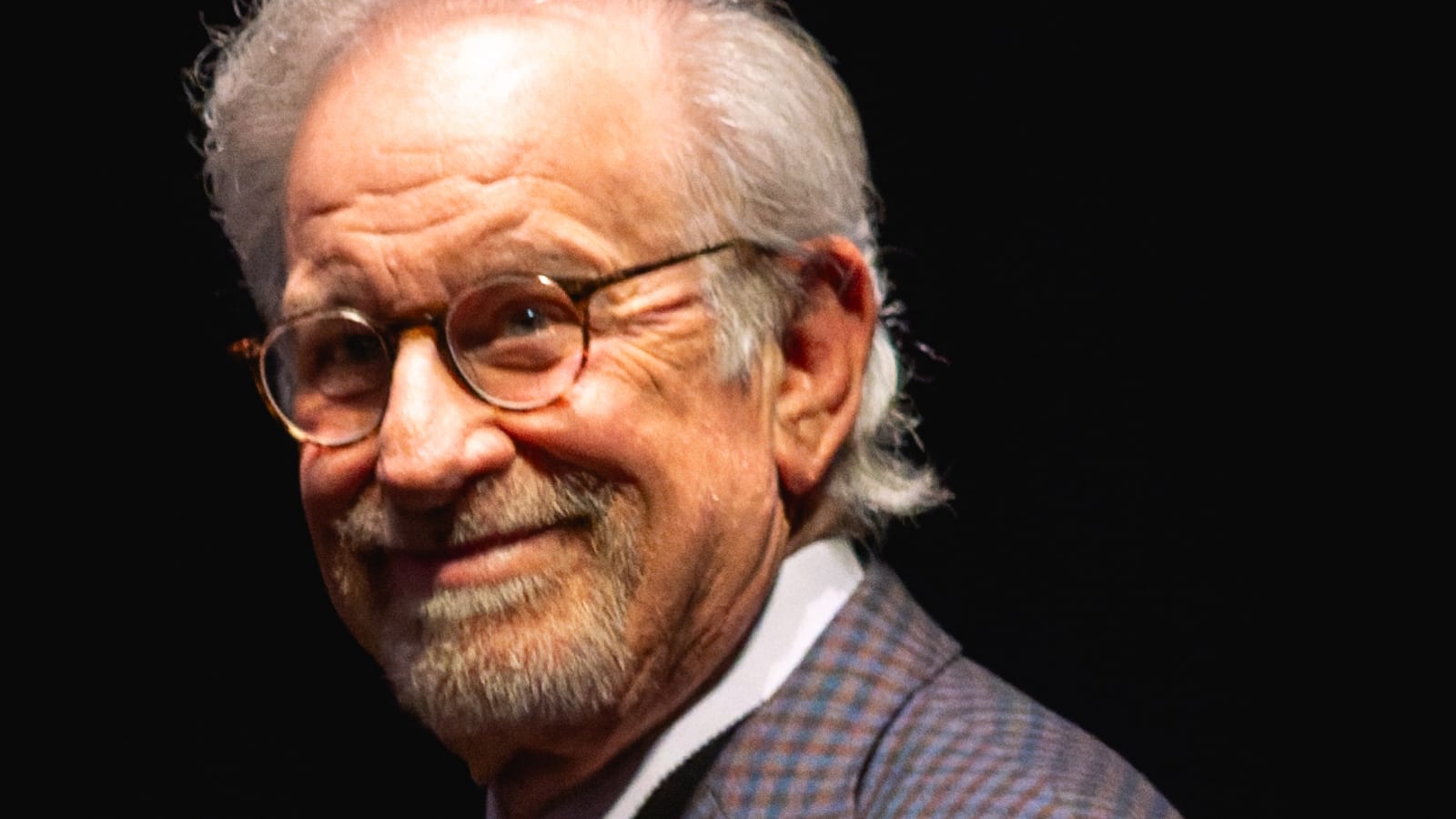
Spielberg is developing his first Western, with a hoped-for 2027 shoot
Steven Spielberg has directed across nearly every genre for more than half a century, but never a Western. That is about to change: the 79-year-old is developing an untitled Western he first teased at SXSW, and his longtime cinematographer Janusz Kaminski has indicated the plan is to shoot it in 2027. Title, cast and studio are still unknown.

Filmmaker Arman Khan warns his social media and WhatsApp were hacked
UK-based filmmaker Arman Khan has warned friends and followers that his social media accounts, WhatsApp and email were hacked and that he has lost access to his PC, telling anyone who hears from him to ignore the message. The public notice is a standard precaution against account takeovers, which turn a victim's own contacts into the next targets.
The studio boss who became 'Amanda Stevens' to fool a BlackRock fund
Aviron Pictures looked like a real mid-major studio, releasing films with Halle Berry and Matthew McConaughey. Its founder, William Sadleir, was quietly diverting the $75m a BlackRock fund had put into the company, and when BlackRock pressed for answers he impersonated a fictional executive, Amanda Stevens, to reassure it. He was jailed for six years.