The studio boss who became 'Amanda Stevens' to fool a BlackRock fund
William Sadleir's Aviron Pictures released real films with Halle Berry and Matthew McConaughey. Behind it, he was draining the $75m a BlackRock fund had invested, and when the fund asked questions he emailed back as a made-up executive named Amanda Stevens.
For a few years Aviron Pictures looked like a real studio. It put Halle Berry in the thriller Kidnap, released Matthew McConaughey and Anne Hathaway's Serenity, and backed A Private War, the Marie Colvin film that drew award talk. What its backers did not see was that the man who built it was draining the fund that paid for it.
Aviron's founder, William Sadleir, had taken a $75m investment from a BlackRock fund, the Multi-Sector Income Trust, into his company Aviron Group. Prosecutors said he misappropriated more than $25m of it, telling the fund the money was going into prepaid media credits while it went instead into his own accounts and a $14m Beverly Hills mansion.
Enter Amanda Stevens
The remarkable part is what he did when BlackRock began asking where its money was. Rather than answer as himself, Sadleir invented a colleague. Posing as an Aviron advertising executive named Amanda Stevens, he emailed the fund in her name to keep it reassured. He also forged a BlackRock manager's signature to approve the sale of more than $3m of assets that secured the fund's loans to Aviron, loans the company then defaulted on. A made-up woman and a faked signature were holding a $75m hole together.
A real studio, hollow at the centre
The strange thing about the case is that Aviron was not a front. It was a working distributor with a genuine slate: Kidnap, The Strangers: Prey at Night, A Private War, Serenity, After. Real films opened in real cinemas while the company's finances were looted from the top. That is what made it last as long as it did. A fake company raises suspicion; a real one with posters on the side of buses does not, and the films gave the fraud its cover.
Six years
Sadleir, 68, pleaded guilty in January 2022 to two counts of wire fraud. On 9 September 2022 US District Judge Paul Engelmayer, in Manhattan, sentenced him to six years in federal prison and ordered him to pay $31.6m in restitution and forfeiture, down to a Tesla he had bought with the proceeds. He also faced a separate federal case in Los Angeles over fraudulently obtaining pandemic relief loans for a company that had, by then, already shut down. "Mr. Sadleir is obviously disappointed with today's sentence, but accepts the court's judgment," his lawyer, Matthew Schwartz, said.
The films outlived the company. A Private War and the others still turn up on streaming services, their distributor long gone, a reminder that in film finance the product can be entirely real while the business behind it is a fiction. The money that put Halle Berry on screen came from a publicly traded fund that believed it was backing movies, and for a while, in a sense, it was.
Reporting this piece draws on
The writer
Marcus Dey — Deals, development and the people who move between them, written for readers who want to know why a project exists at all.
More from News
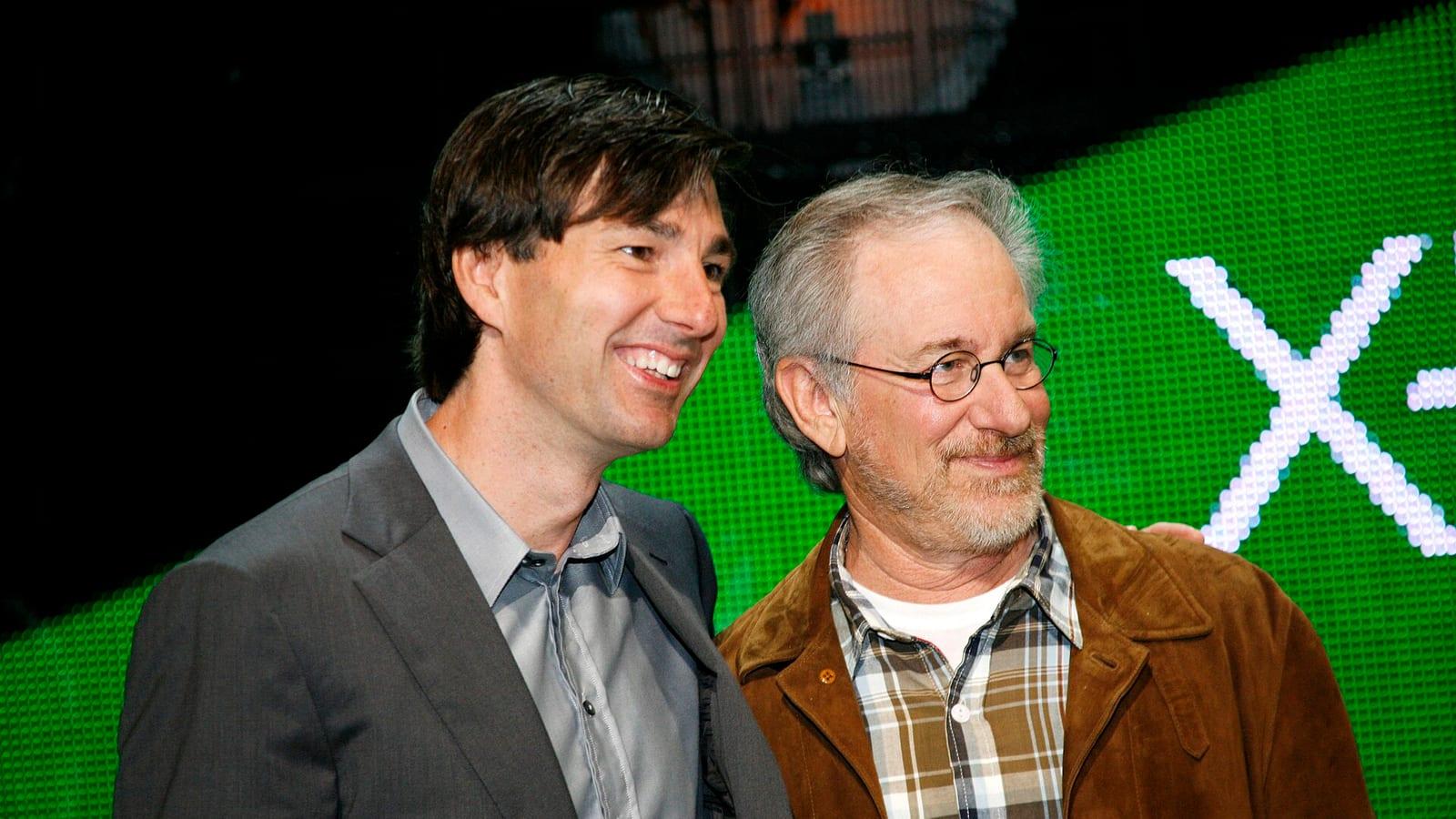
Spielberg is developing his first Western, with a hoped-for 2027 shoot
Steven Spielberg has directed across nearly every genre for more than half a century, but never a Western. That is about to change: the 79-year-old is developing an untitled Western he first teased at SXSW, and his longtime cinematographer Janusz Kaminski has indicated the plan is to shoot it in 2027. Title, cast and studio are still unknown.

Filmmaker Arman Khan warns his social media and WhatsApp were hacked
UK-based filmmaker Arman Khan has warned friends and followers that his social media accounts, WhatsApp and email were hacked and that he has lost access to his PC, telling anyone who hears from him to ignore the message. The public notice is a standard precaution against account takeovers, which turn a victim's own contacts into the next targets.

The boiler room that raised $21m for a Wizard of Oz film never made
Gigapix Studios pitched itself to ordinary investors as the next Pixar, raising money for a 3-D animated Wizard of Oz film called OZ3D and an imminent stock-market float. Telemarketers took about $21m from some 730 people, many of them elderly or unwell. Less than 5 percent reached the film, which was never made. Founder Christopher Blauvelt was sentenced to eight years.