The director who took $11m from Netflix and bought five Rolls-Royces
Carl Erik Rinsch, the director of 47 Ronin, was given $11m by Netflix to finish a sci-fi series. He spent it on five Rolls-Royces, a Ferrari, luxury mattresses and crypto trades, and has now been jailed for fraud.
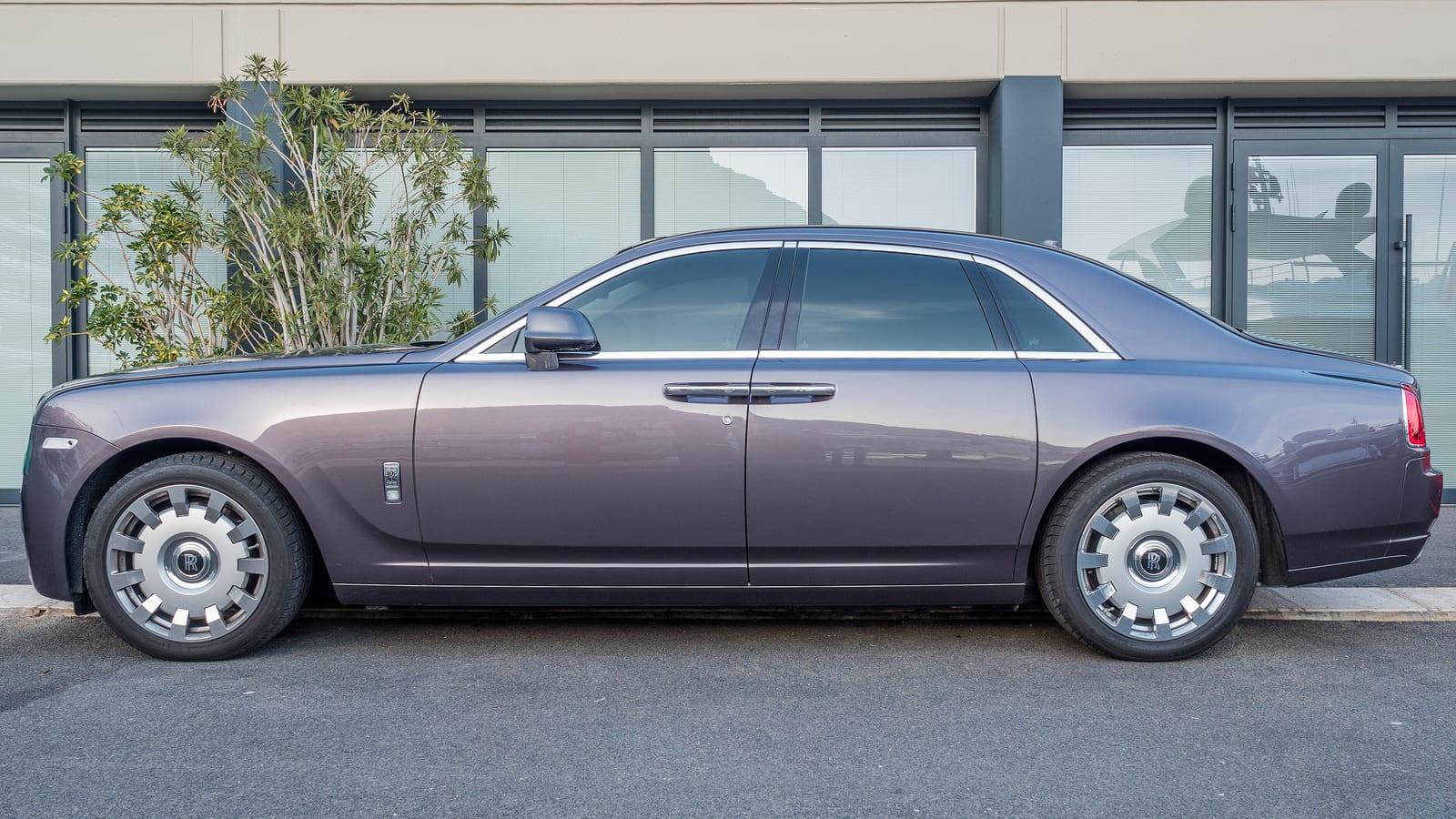
Netflix had already spent about $44m on Carl Erik Rinsch's science-fiction series. When the director said he needed $11m more to finish it, the company wired that too. Almost none of it reached the show.
Rinsch, the director of the 2013 film 47 Ronin, had been making a series called White Horse for Netflix. Instead of completing it, he moved the $11m into a personal brokerage account and bet it on the markets, losing roughly half within two months on failed trades before recovering some of it in cryptocurrency. What survived, he spent. Prosecutors catalogued five Rolls-Royces and a Ferrari, $652,000 on watches and clothing, close to $1m on mattresses and luxury bedding, and about $1.8m put toward his credit-card bills.
Convicted, then sentenced
A federal jury in New York convicted him in December 2025 of wire fraud, money laundering and unlawful monetary transactions. "He took $11 million meant for a TV show and gambled it on speculative stock options and crypto transactions," the US Attorney, Jay Clayton, said after the verdict. Rinsch's lawyer, Benjamin Zeman, called the conviction wrong and warned it "could set a dangerous precedent for artists who become embroiled in contractual and creative disputes." Netflix declined to comment.
On 29 June 2026, Judge Jed S. Rakoff sentenced Rinsch to 30 months in federal prison, with three years of supervised release, and ordered him to pay about $11m in restitution and forfeit the same sum. Prosecutors had asked for five years.
A manic state, and a letter from Keanu Reeves
Rinsch's defence did not dispute the spending so much as its cause. His team argued that untreated mental-health problems and medication issues drove his conduct, and Rakoff accepted that the director appeared to have been in a manic state. That did not excuse, the judge said, the deliberate misuse of Netflix's money.
Rinsch addressed the court himself. "This process has forced me to confront things about my health, my judgment and my life," he said, adding that he had "failed to recognise the danger of the state I was in." Keanu Reeves, who starred in 47 Ronin, wrote to the court asking for leniency and mercy, and described Rinsch as a talented artist and a friend.
The cost of a show that was never finished
The sums tell the story on their own. Netflix put somewhere around $55m, all told, into a series it never received, and it is the streamer left out of pocket, since the restitution order points back at a man heading to prison rather than to a studio's account. White Horse does not exist as a finished show. What the money produced instead was a garage of luxury cars, two mattresses that cost more than many films spend on their entire set, and a 30-month sentence. Rinsch is due to report to prison in September and has said he will appeal.
Reporting this piece draws on
The writer
Marcus Dey — Deals, development and the people who move between them, written for readers who want to know why a project exists at all.
More from News
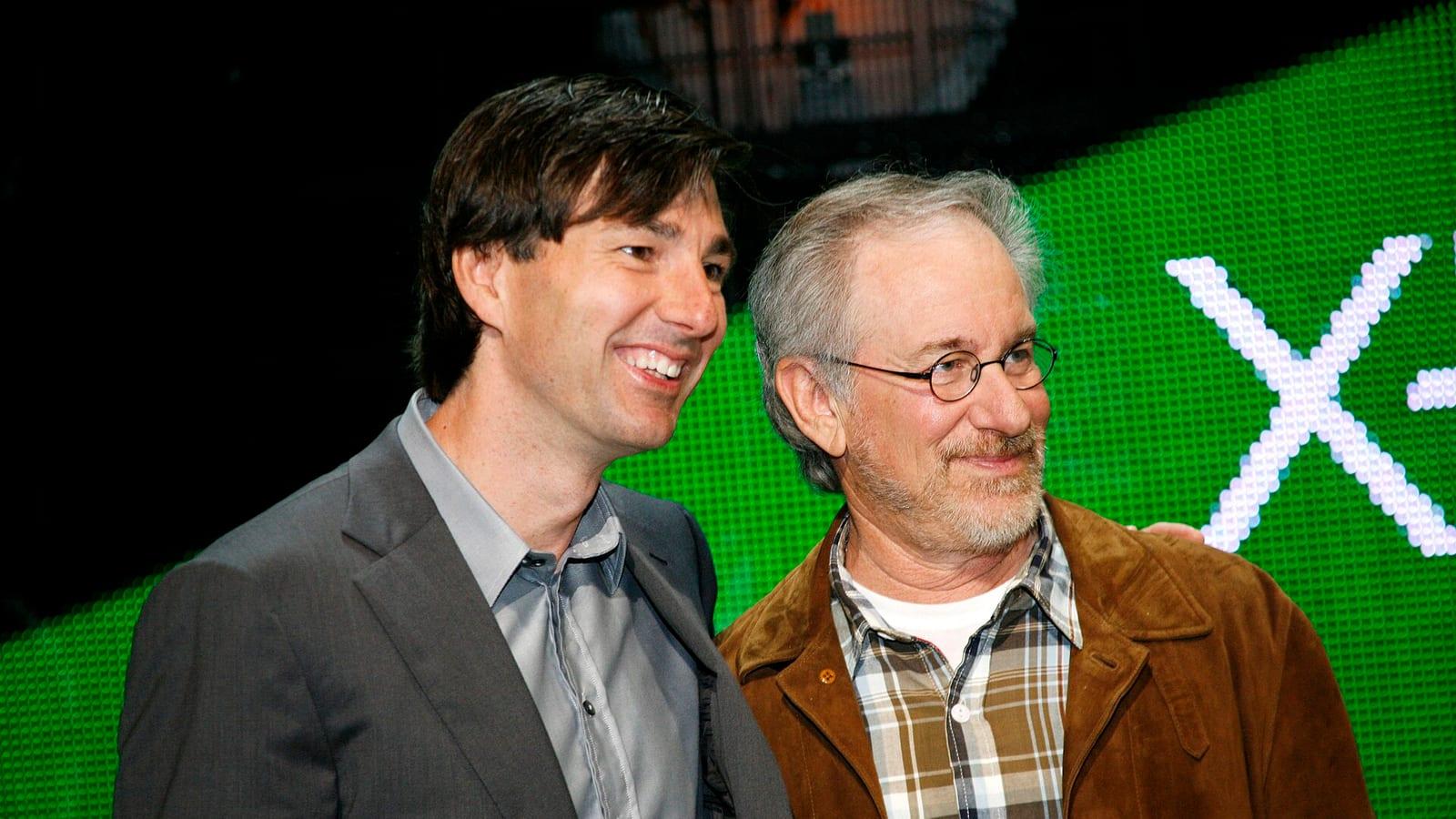
Spielberg is developing his first Western, with a hoped-for 2027 shoot
Steven Spielberg has directed across nearly every genre for more than half a century, but never a Western. That is about to change: the 79-year-old is developing an untitled Western he first teased at SXSW, and his longtime cinematographer Janusz Kaminski has indicated the plan is to shoot it in 2027. Title, cast and studio are still unknown.

Filmmaker Arman Khan warns his social media and WhatsApp were hacked
UK-based filmmaker Arman Khan has warned friends and followers that his social media accounts, WhatsApp and email were hacked and that he has lost access to his PC, telling anyone who hears from him to ignore the message. The public notice is a standard precaution against account takeovers, which turn a victim's own contacts into the next targets.

The boiler room that raised $21m for a Wizard of Oz film never made
Gigapix Studios pitched itself to ordinary investors as the next Pixar, raising money for a 3-D animated Wizard of Oz film called OZ3D and an imminent stock-market float. Telemarketers took about $21m from some 730 people, many of them elderly or unwell. Less than 5 percent reached the film, which was never made. Founder Christopher Blauvelt was sentenced to eight years.