Nolan says it is the studios, not directors, who must shield films from AI
The DGA president told the Hollywood Insiders podcast that only studios can defend their films from AI, because directors do not own the copyrights, and praised The Odyssey as the first film to bar its use as training data.
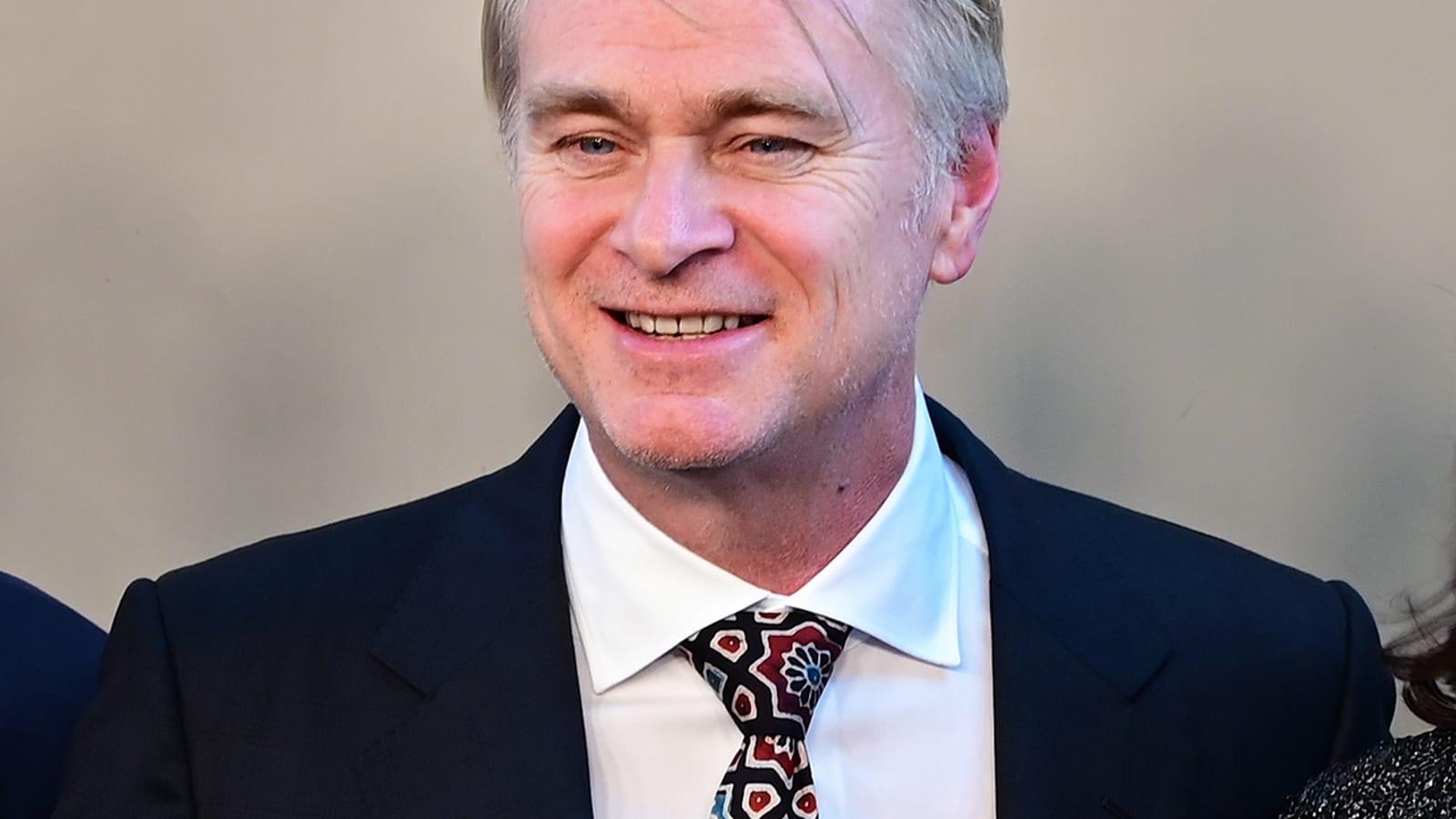
Christopher Nolan, who has led the Directors Guild of America since 2025, has pushed AI protections into Hollywood's union contracts. Now he says the guild has gone as far as it can. The rest is the studios' problem.
Speaking on the Motion Picture and Television Fund's Hollywood Insiders podcast, Nolan said the guild is focused on "holding the studios to account for protecting their copyrights," then named the limit of what directors can do about it. "With very few exceptions in the guild, we are not the copyright holders of the films that we've worked on," he said. "It's down to the studios to do that."
The distinction matters more than it sounds. A director's residuals rise and fall with how a film's copyright is licensed and sold, yet in almost every case the studio, not the director, owns that copyright. So when an AI company trains a model on a movie, the party with standing to object in court is the studio. Nolan's point is that filmmakers are exposed to a harm they are not legally positioned to fight, and that only the owners of the work can defend it.
"Too big a catchall term"
He was sharp on the language of the debate. "AI is too big a catchall term," Nolan said, arguing that its vagueness does quiet work for the companies deploying it. The label "is being used by companies to absolve themselves of responsibility," Deadline reported him saying, and those companies "want to portray it as this Frankenstein's monster that can get out of control." On the legal defence most often invoked, he was blunt: firms "hide behind fair use provisions," and "longer term that won't hold up in court."
The Odyssey as a template
Nolan offered one concrete model, and it is his own. He said he was pleased that the end-credit boilerplate on The Odyssey contains, "for the first time, a message saying that this film cannot be ingested and used as training data." Universal, which released the 2026 film, is the copyright holder that put the language there, which is Nolan's thesis in practice: the protection had to come from the studio, because only the studio could grant it.
Whether a line in the credits carries legal weight is untested. It is closer to a no-trespassing sign than a lock, a statement of the rights-holder's position that no court has yet been asked to enforce. Nolan seems to know that. His case is less that the boilerplate settles anything than that it marks a studio finally acting as the party responsible for the asset.
The guild negotiated strong AI guardrails in its contract, covering what can be done to members on the job. What it cannot do is sue on behalf of a copyright it does not hold. For the next phase, Nolan is addressing the only parties who can: the studios that own the films, and have so far been slower than their most bankable director to treat AI as their fight.
Reporting this piece draws on
The writer
Nell Fairweather — The lead news file and the weekly column: studio decisions, the numbers underneath them, and what they cost the people who have to live with them.
More from News
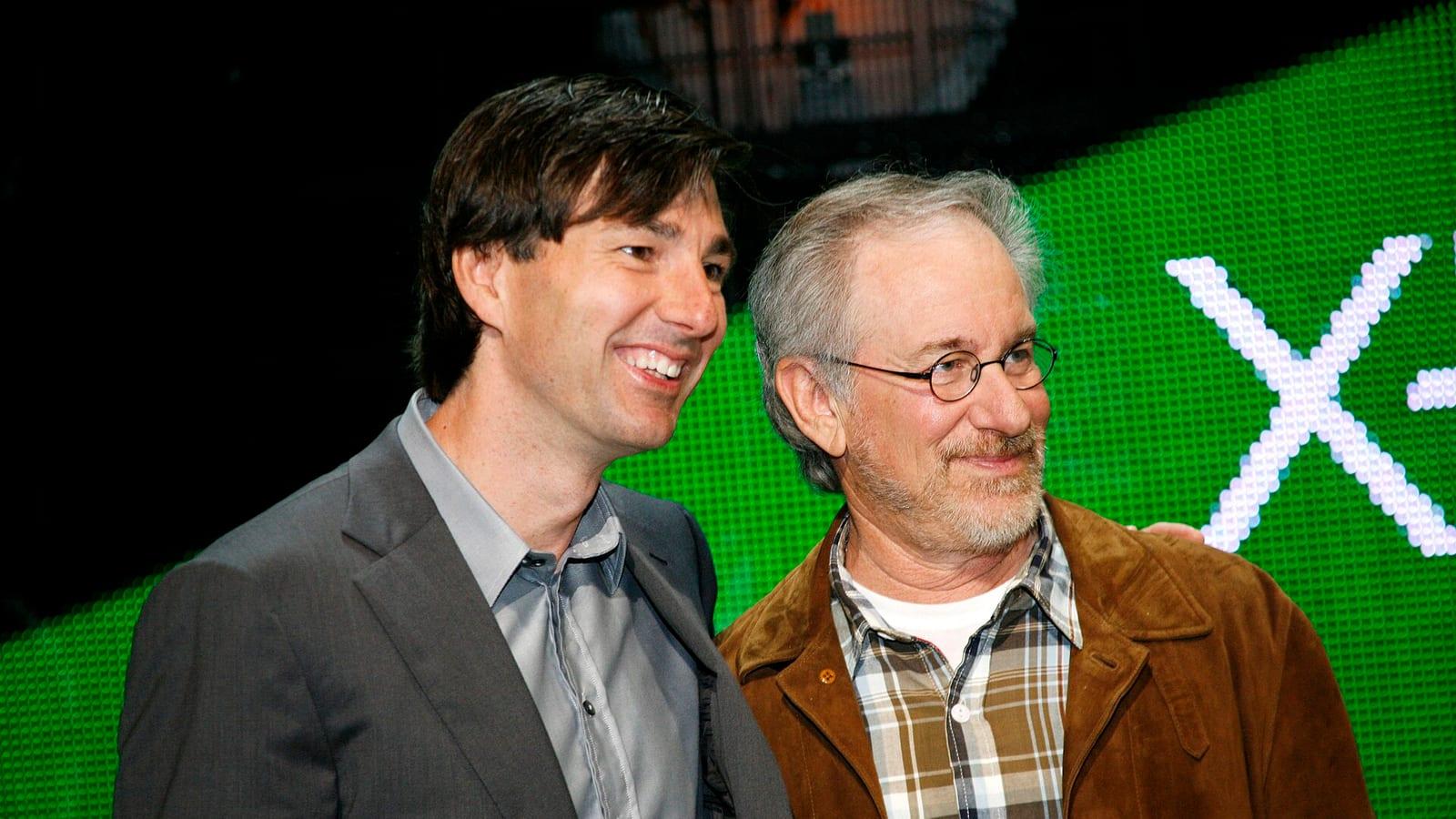
Spielberg is developing his first Western, with a hoped-for 2027 shoot
Steven Spielberg has directed across nearly every genre for more than half a century, but never a Western. That is about to change: the 79-year-old is developing an untitled Western he first teased at SXSW, and his longtime cinematographer Janusz Kaminski has indicated the plan is to shoot it in 2027. Title, cast and studio are still unknown.

Filmmaker Arman Khan warns his social media and WhatsApp were hacked
UK-based filmmaker Arman Khan has warned friends and followers that his social media accounts, WhatsApp and email were hacked and that he has lost access to his PC, telling anyone who hears from him to ignore the message. The public notice is a standard precaution against account takeovers, which turn a victim's own contacts into the next targets.
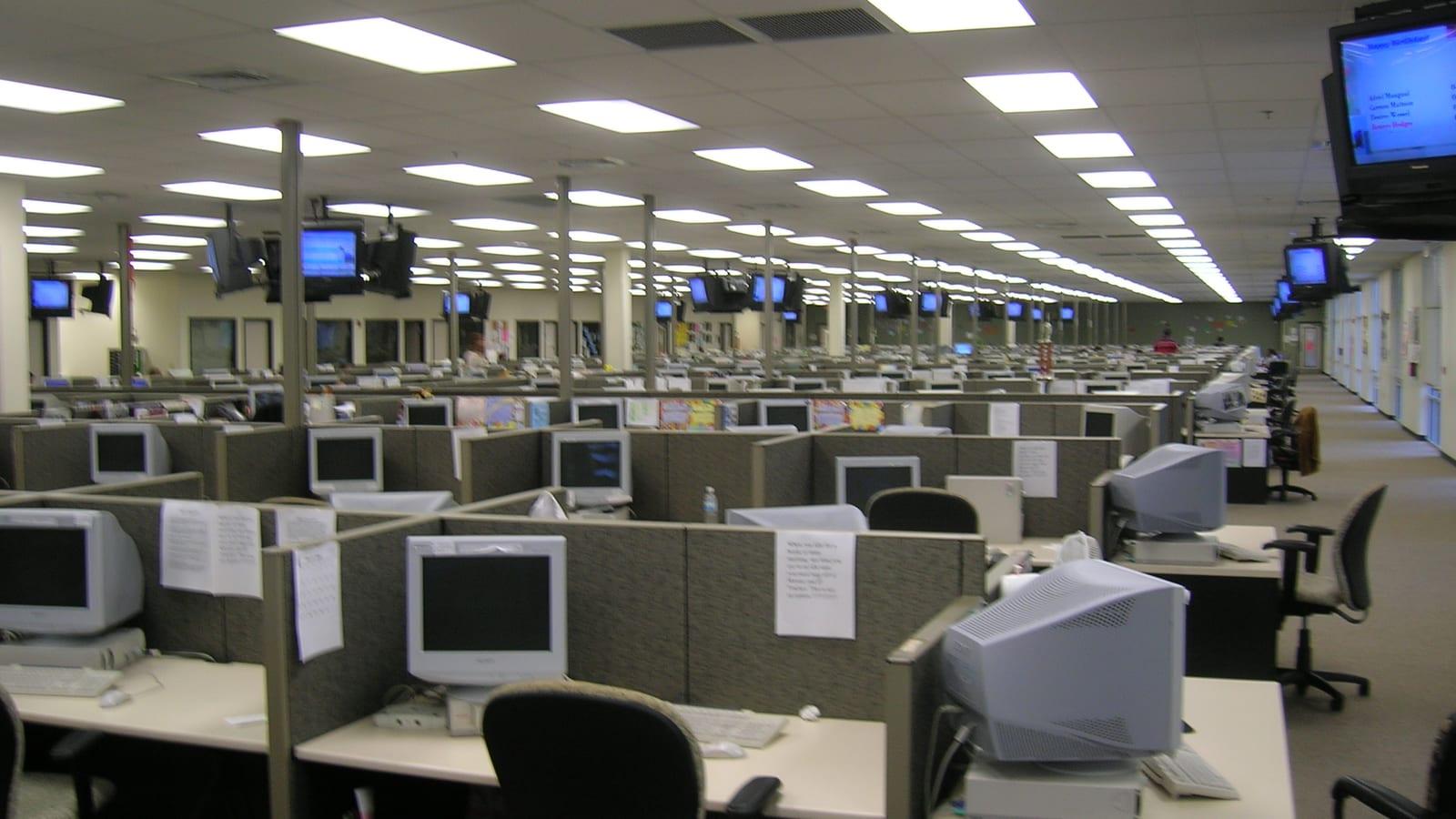
The boiler room that raised $21m for a Wizard of Oz film never made
Gigapix Studios pitched itself to ordinary investors as the next Pixar, raising money for a 3-D animated Wizard of Oz film called OZ3D and an imminent stock-market float. Telemarketers took about $21m from some 730 people, many of them elderly or unwell. Less than 5 percent reached the film, which was never made. Founder Christopher Blauvelt was sentenced to eight years.