Skydance's Warner debt costs six times what its studios earn
The coupons printed in Tuesday's filing add up to $3.22bn a year before a penny of the floating-rate loans, and the two film studios made $132m last quarter.
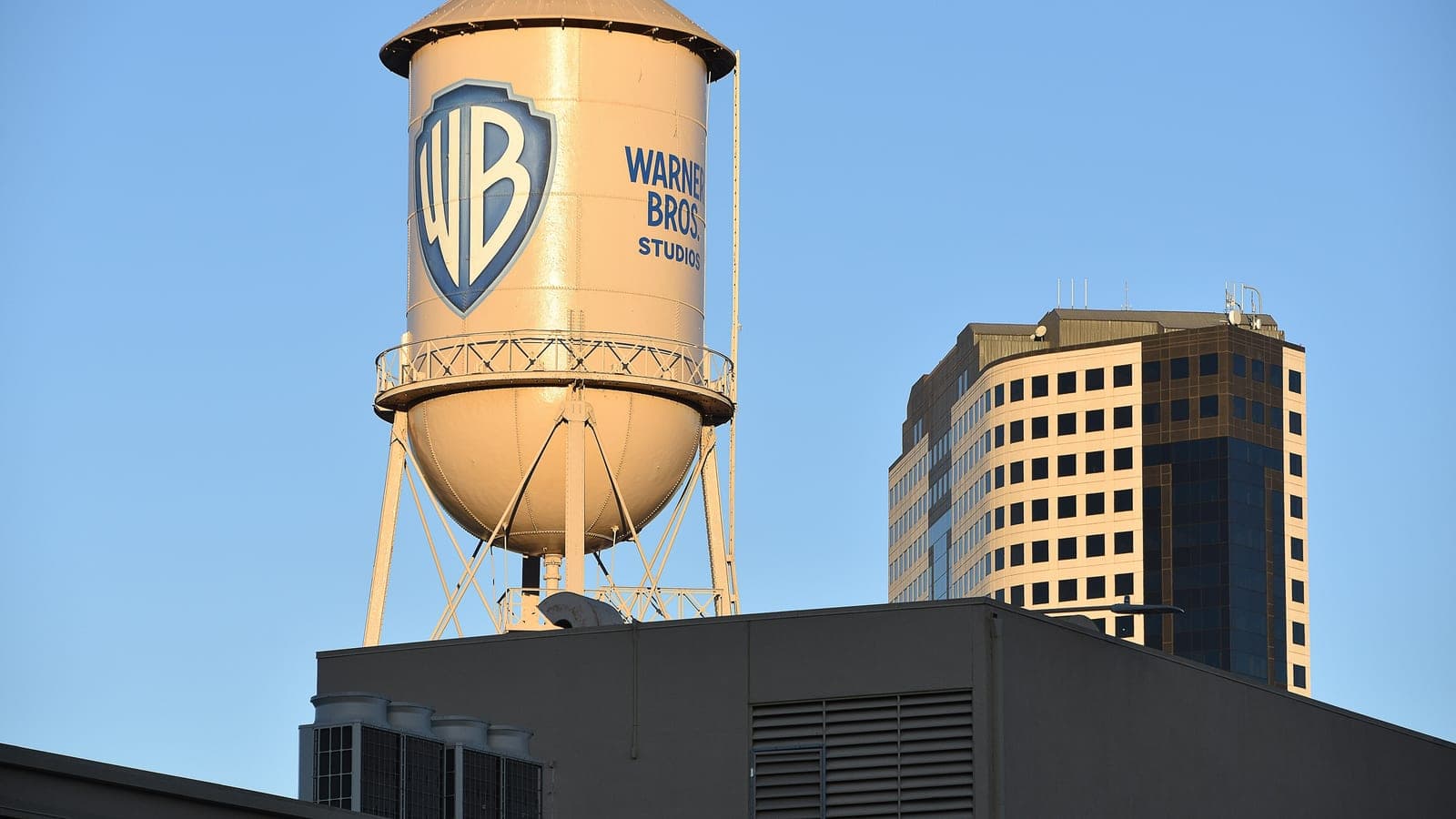
Skydance Corporation finished buying Warner Bros. Discovery on Tuesday and filed the terms with the Securities and Exchange Commission the same afternoon. The filing lists every bond sold to pay for it, with the coupon printed against each one. Add them up: $3.22bn a year, on the fixed-rate notes alone.
The two film studios the merger was built around earned $132m between them in the most recent quarter either company reported.
That is not a comparison anyone at Skydance will volunteer, so here is the working. Warner's Studios division turned $2.328bn of revenue into $96m of adjusted EBITDA in the three months to June, a margin of 4.1%, according to the company's own earnings release. Paramount's Studios division turned $1.314bn into $36m, a margin of 2.7%, per its release. Between them that is $3.642bn of revenue and $132m of profit on that measure. Annualised, about $528m. The interest bill is roughly six times it.
Where the $3.22bn comes from
Tuesday's 8-K sets the borrowing out line by line, which is unusual and useful. The first-lien stack runs to $30bn across eight maturities, from $3.5bn of 6.300% notes due in 2028 to $1.25bn of 8.900% notes due in 2066. The second lien adds $11.4bn in dollars, priced between 8.250% and 9.125%, plus €885m of euro notes at 7.000%.
Multiply each principal by its coupon and the dollar notes come to $3,222.5m a year. That is a weighted average of 7.78% on $41.4bn, which is a fair summary of what the bond market makes of the plan. Companies with comfortable balance sheets do not sell 40-year paper at 8.9%.
Then there are the loans, and they float. Skydance also drew a seven-year term facility of $8.5bn and €850m at the SOFR rate plus a margin of 2.50% to 2.75%, the exact figure set by the company's net debt ratio at the time. Nobody can price that in advance. So $3.22bn is the floor rather than the bill.
Reuters put total debt across the combined company at about $80bn. Warner carried $33.1bn of gross debt at the end of June and Paramount carried $15.2bn, which gives a sense of how much of the rest was raised this week.
Which part of the building pays for it
Skydance can afford this, and it is worth saying so plainly before the arithmetic gets used for something it does not prove. Warner's total adjusted EBITDA last quarter was $1.9bn and Paramount's was $1.099bn, so the combined company runs at something near $12bn a year before any of the $6bn in cost savings David Ellison has promised. Interest on the fixed-rate notes takes roughly a quarter of that.
The question is which division earns it, and the answer is not the one with the cameras.
Paramount's streaming arm made $366m in the quarter at a 14.8% margin. Its TV Media division, the cable channels the industry has spent five years writing obituaries for, made $1.1bn at a margin of 34%. Warner's streaming business cleared $512m and passed $3bn of quarterly revenue for the first time. Against all of that, the film studios produced $132m, which inside a company this size is close to a rounding error.
Hollywood will file this week as a studio story, because the logos are famous and so are the people. The money says it is a cable and subscription story that happens to own two studios. Ellison has inherited a film business whose job, for the next few years, is to stop losing money while the rest of the company services the debt.
The two prices in circulation
Most reports on Tuesday valued the deal at $110bn. Some put it nearer $80bn. Both are right, and the filing shows why.
Warner shareholders received $31.00 a share in cash plus a ticking fee of $0.00277778 for every calendar day after 30 September, and the filing gives the total ticking payment as $41,886,975.78. Six days of ticking is $0.01666668 a share, so that total implies about 2.513 billion shares. Warner's most recent quarterly report listed 2,510,703,314 shares outstanding on 23 July. Close enough.
That is about $78bn of cash for the equity. The $110bn in the headlines is that plus the debt that came with the company. The two numbers answer different questions, and the larger one is the one Ellison has to live inside.
What it cost the people who signed it
The same filing raises four salaries. Ellison's base pay goes to $5m with a target bonus of $5m, and his contract now runs to August 2031. Andrew Brandon-Gordon becomes president on a $4m base and a $2.6m target. Chief financial officer Dennis Cinelli moves to $3.4m and $2.6m, and chief legal officer Makan Delrahim to $4m and $2.6m. Target pay for the four comes to $29.2m.
Paramount has said a large share of the $6bn in savings will come from "non-labour sources", by combining the two companies' streaming technology and cloud providers. That is the phrasing a company reaches for when it would rather not discuss the labour ones. NBC News reported on Tuesday that cuts are expected across Hollywood, without a figure attached.
The reshaping started before the deal closed. Warner's film chiefs Michael De Luca and Pamela Abdy left last week, replaced by Dana Goldberg and Josh Greenstein. Under the settlement with state attorneys general that cleared the way, approved by a federal judge days before closing and reported by Variety, the combined company committed to releasing 30 films a year and to funding independent pictures at $1.25m apiece.
Thirty films a year is eleven more than the two studios managed in 2025, from a division that earned 3.6% on its revenue last quarter, inside a company that now owes interest on $50bn of fresh borrowing. Those three facts have to be reconciled by somebody.
The shares began trading as SKYD on the New York Stock Exchange on Tuesday. The first repayment falls in 2028, when $3.5bn of the 6.300% notes mature. The last, $1.25bn at 8.900%, comes due in 2066.
Reporting this piece draws on
- U.S. Securities and Exchange Commission Skydance Corporation, Form 8-K filed 6 October 2026
- U.S. Securities and Exchange Commission Warner Bros. Discovery Q2 2026 earnings release (Form 8-K exhibit)
- U.S. Securities and Exchange Commission Paramount Skydance Q2 2026 earnings release (Form 8-K exhibit)
- U.S. Securities and Exchange Commission Warner Bros. Discovery, Form 10-Q for the quarter ended 30 June 2026
- Reuters Paramount wraps up mega Warner Bros merger to create Hollywood powerhouse Skydance
- NBC News Paramount completes $110B Warner Bros. merger to form Skydance
- Variety Paramount-Warner Bros. Merger Set to Close Next Week After Judge OKs Settlement With State AGs
The writer
Marcus Dey — Deals, development and the people who move between them, written for readers who want to know why a project exists at all.
More from News
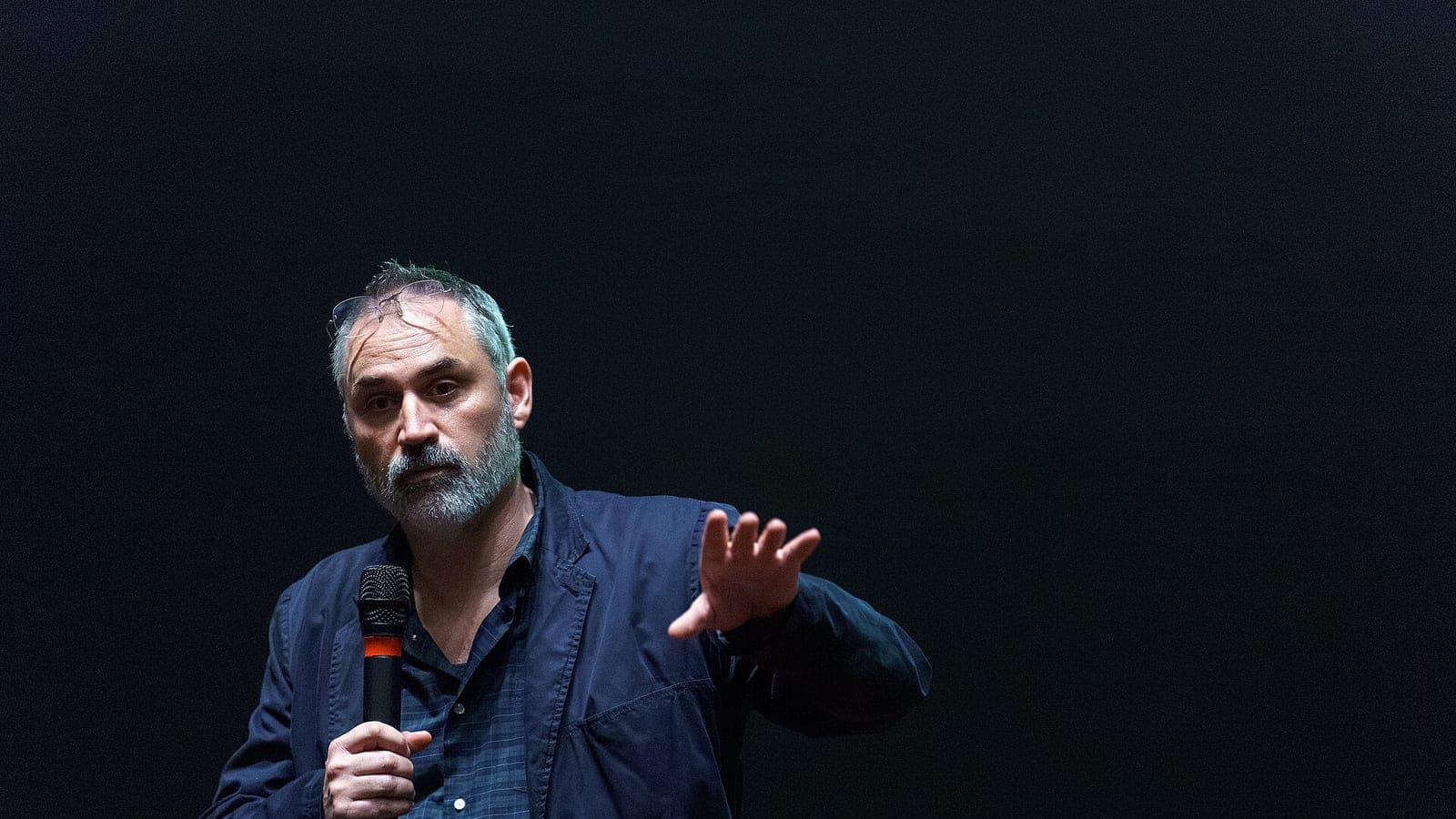
Zendaya's new Alex Garland film is his third since he quit directing
Alex Garland has announced his retirement from directing twice on the record, in 2022 and 2024. Since the second statement he has directed Warfare, taken on A24's most expensive film ever, and now signed Zendaya for an untitled sci-fi shooting in 2027.
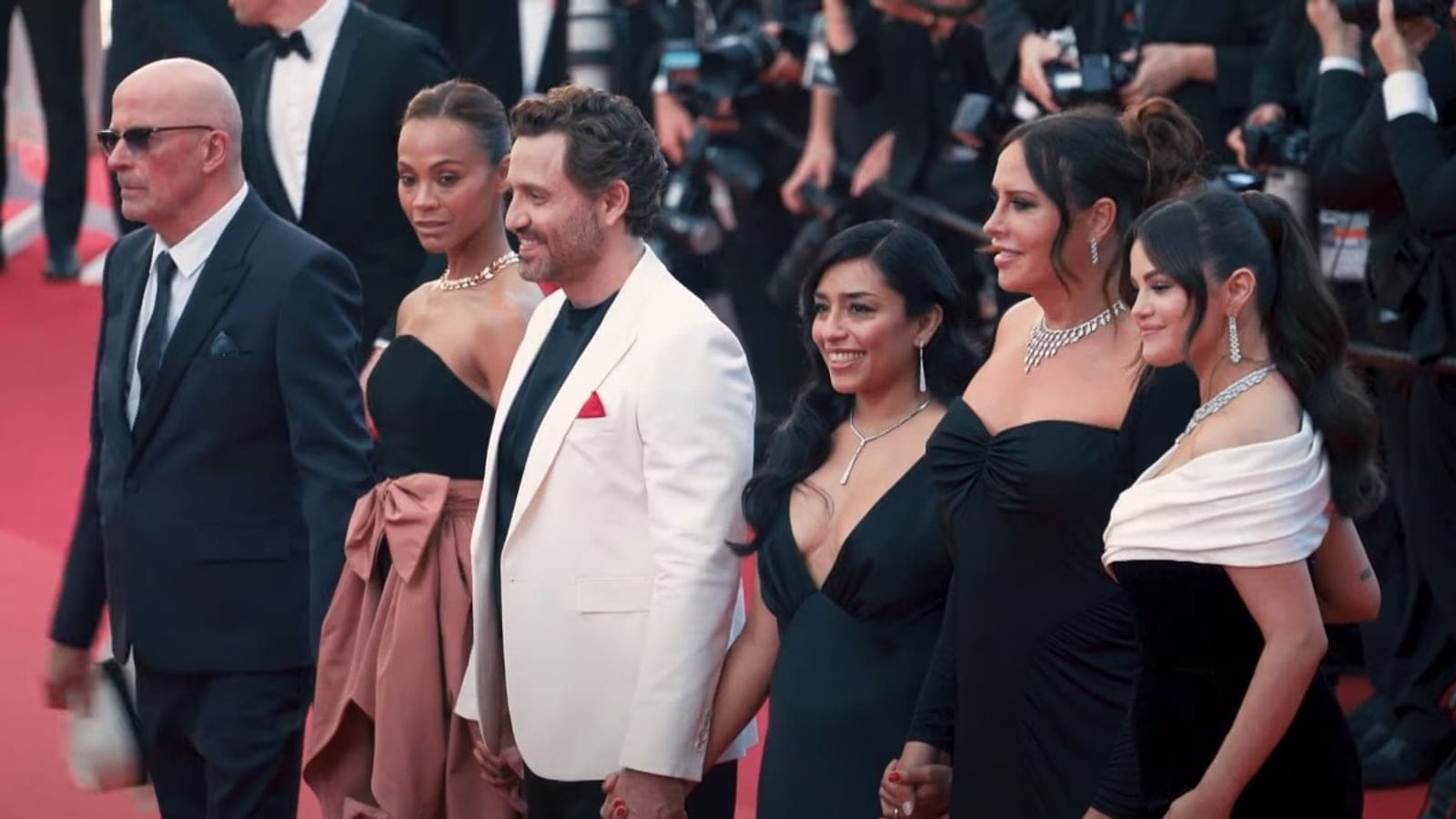
Canal+ VAT rise would cost €200m a year. Its film deal is €196m
Canal+'s July accord commits €196m a year to French and European film from 2028. The draft 2027 budget's VAT rise costs it up to €200m a year, and triggers the clause that voids the whole deal.
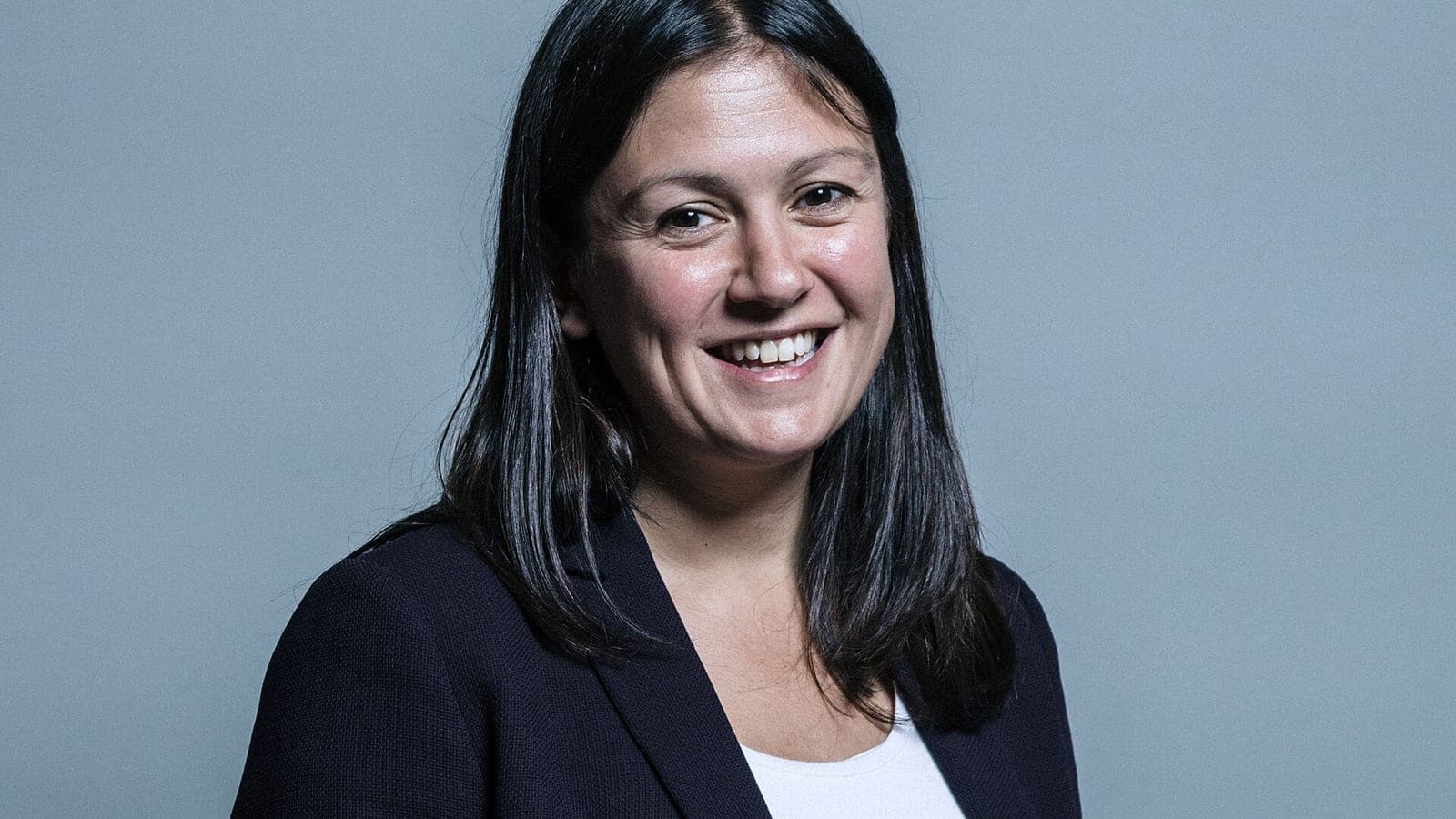
Sky's £1.6bn ITV takeover is Nandy's second media warning in 107 days
Lisa Nandy's 'minded to intervene' letter on Sky and ITV comes 107 days after the one she sent Paramount. Laid next to three earlier Sky cases, the dates show which kind of review this is likely to be.